It is the "King of Legumes," a "Natural Insulin," high in protein—truly a pity not to know how to enjoy it
Do you feel that blood sugar control diets are always bland and boring? Or are you worried about blood sugar and lipid problems as you age? Actually, there’s a "king of legumes" that not only stabilizes blood sugar and controls lipids but also provides high protein, making it a star of healthy eating. It’s none other than lentils—hailed as "natural insulin," they’re a prized addition to the dietary regimen of middle-aged and elderly individuals.
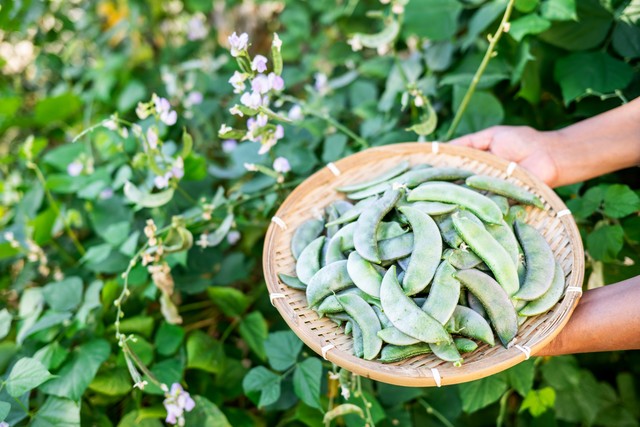
Nutritional Value of Lentils
The health benefits of hyacinth beans are closely related to their unique nutritional value. Traditional Chinese medicine suggests that hyacinth beans have a neutral nature and sweet taste, with effects of strengthening the spleen, resolving dampness, supplementing qi, and nourishing the stomach. They are particularly suitable for people with weak spleen and stomach or excessive dampness. Many middle-aged and elderly individuals often experience post-meal bloating, fatigue, and lethargy due to weakened digestive functions. Compared to other legumes, hyacinth beans are easier to digest and absorb, and less likely to cause bloating or gastrointestinal discomfort.
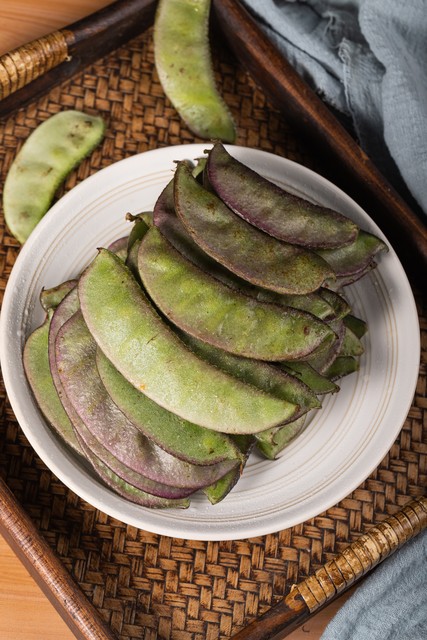
In modern medicine, lentils are also regarded as a high-protein, low-fat premium ingredient. They are rich in plant-based protein, contain extremely low fat, and are virtually cholesterol-free. For middle-aged and elderly individuals, lentils serve as an ideal choice for daily protein supplementation.
As we age, muscle mass gradually decreases. A lack of protein not only weakens immunity but may also lead to muscle weakness and osteoporosis. Lentils contain more protein than some animal-based foods, making them an economical and healthy choice.
The greatest highlight of lentils lies in their "blood sugar control" ability. They are rich in dietary fiber, which delays postprandial blood sugar spikes. Dietary fiber forms a buffer zone in the intestines, slowing down carbohydrate absorption. For people with diabetes or significant blood sugar fluctuations, lentils are an exceptionally suitable ingredient. Moreover, lentils contain abundant chromium—a trace element that helps the body utilize blood sugar more effectively, thereby reducing insulin resistance.
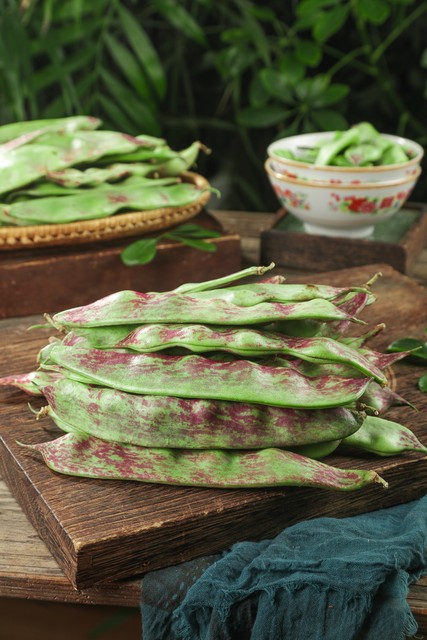
Not only that, but lentils also excel in their cardiovascular protective effects. They contain minerals like magnesium and potassium, which help relax blood vessels, improve circulation, and assist in regulating high blood pressure. Additionally, the plant sterols in lentils can reduce "bad cholesterol," protect the health of blood vessel walls, and prevent arteriosclerosis.
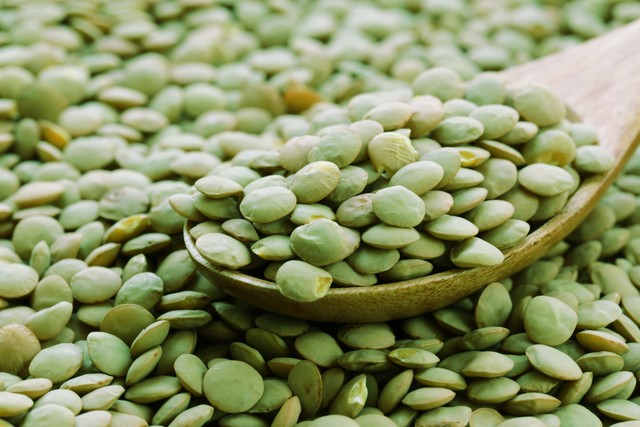
Many people are unaware of why hyacinth beans are so nutritious. This legume absorbs a large amount of minerals during its growth, resulting in significantly higher levels of protein, dietary fiber, B vitamins, iron, calcium, and other elements compared to common beans. In particular, its vitamin B1 content ranks among the highest of all legumes, which helps improve nervous system health and alleviates issues like fatigue and memory decline.
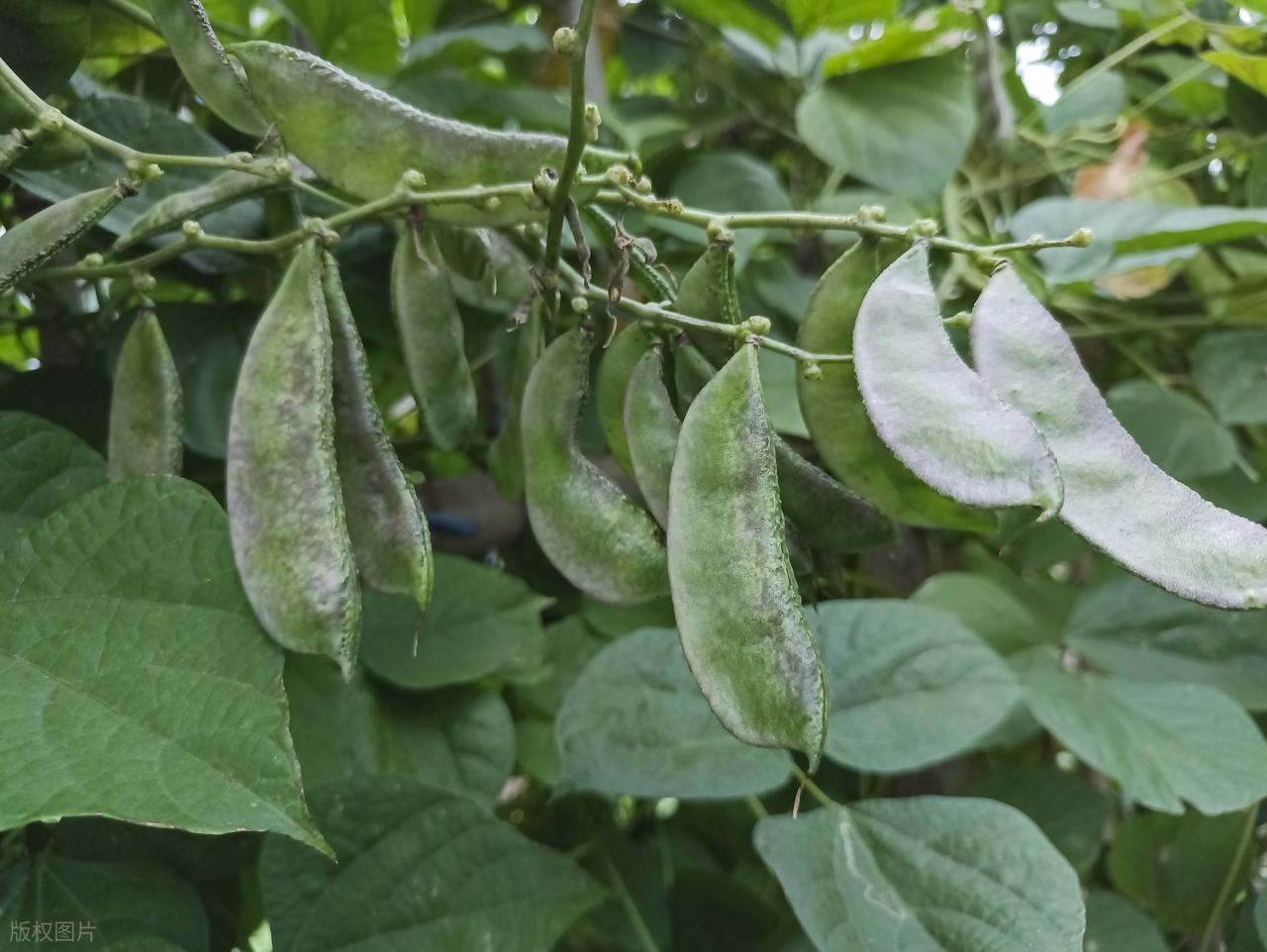
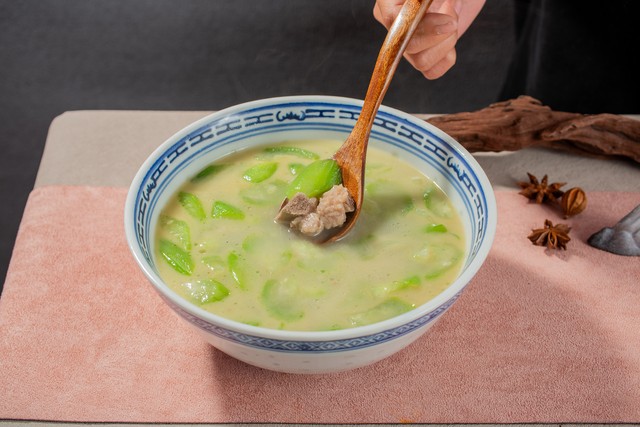
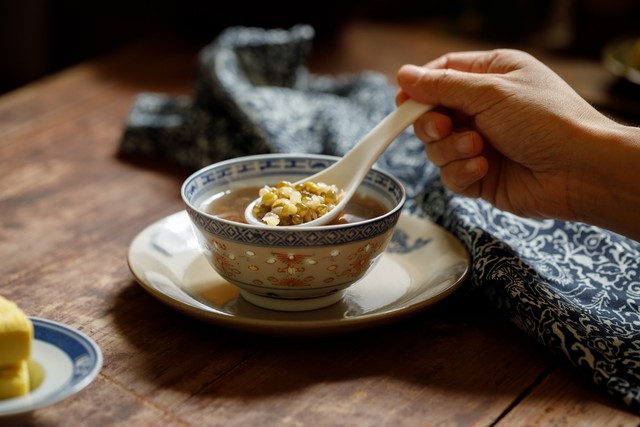
There are various ways to cook lentils, suitable for people with different tastes and constitutions. The most classic method is cooking congee by simmering lentils with rice, Chinese yam, or lotus seeds, which both nourishes the spleen and stomach while offering a delicate texture. For soup lovers, lentil soup with spareribs or old duck makes a delicious and nutritious broth.
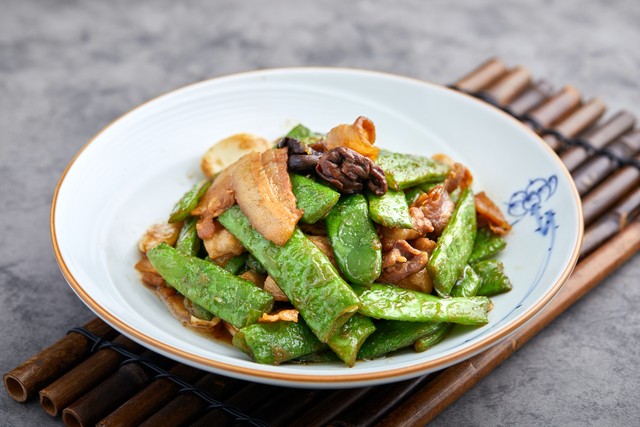
Healthy Ways to Eat Hyacinth Beans
Although lentils offer many benefits, there are also some precautions to consider. First, lentils must be thoroughly cooked because they contain a natural toxin called saponin. Eating them raw may cause discomfort such as nausea and diarrhea. Second, while lentils are easily digested and absorbed, for those with weak spleen and stomach function, it's recommended to cook them until slightly softer to aid in digestion and absorption.
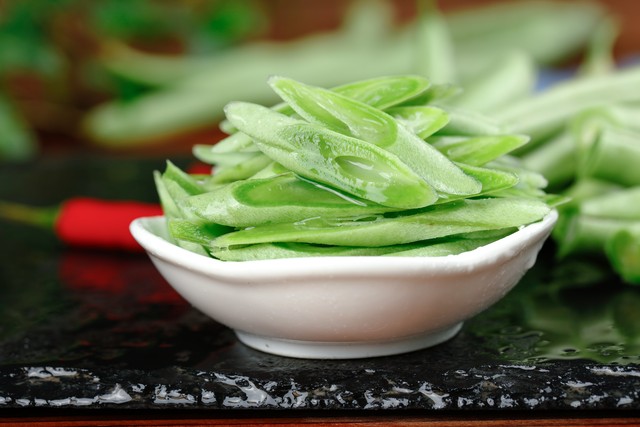
Okra is suitable for long-term consumption but should be paired with other ingredients to maintain a balanced diet. For example, cooking okra with oats and brown rice to make multigrain rice can provide both dietary fiber and high-quality carbohydrates. For those who enjoy soup, okra can also be stewed with winter melon and poria cocos to achieve effects like invigorating the spleen and removing dampness. Proper pairing maximizes the nutritional value of okra.
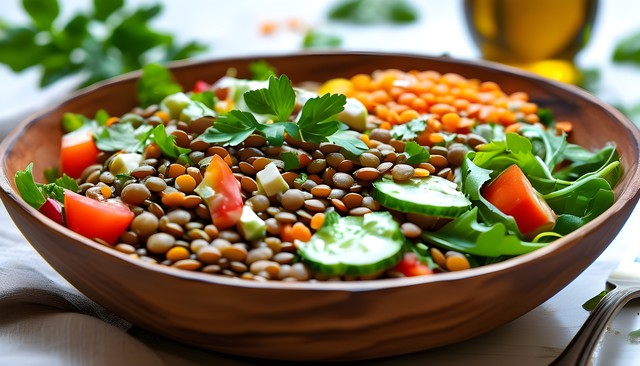
According to traditional Chinese medicine records, hyacinth beans can also be used to alleviate summer-related dampness symptoms. Many people tend to experience loss of appetite and limb weakness in hot weather, which is often associated with dampness affecting the spleen. Cooking hyacinth beans in soups or preparing them as medicinal dishes can help the body eliminate dampness and restore a comfortable state. Ancient medical texts even described hyacinth beans as "an emergency remedy for summer."
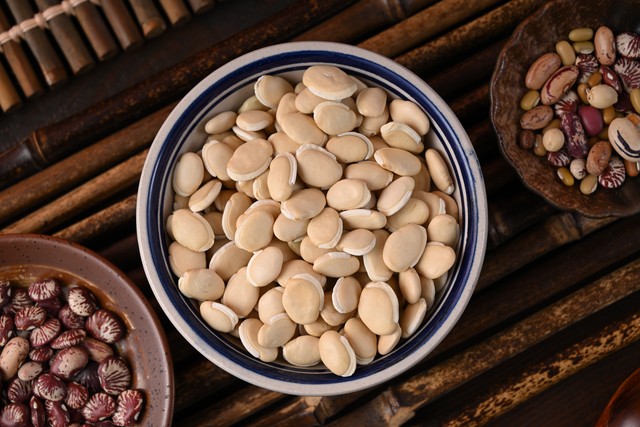
Lentils also offer certain benefits for women's health. Rich in iron and folic acid, they help prevent anemia, especially for menopausal women. Regular consumption of lentils can replenish trace elements lost by the body and alleviate symptoms such as fatigue and dizziness. Additionally, their low-fat and high-fiber properties aid in weight management. For those who seek beauty but struggle with strict dieting, replacing part of staple foods with lentils may be worth trying.
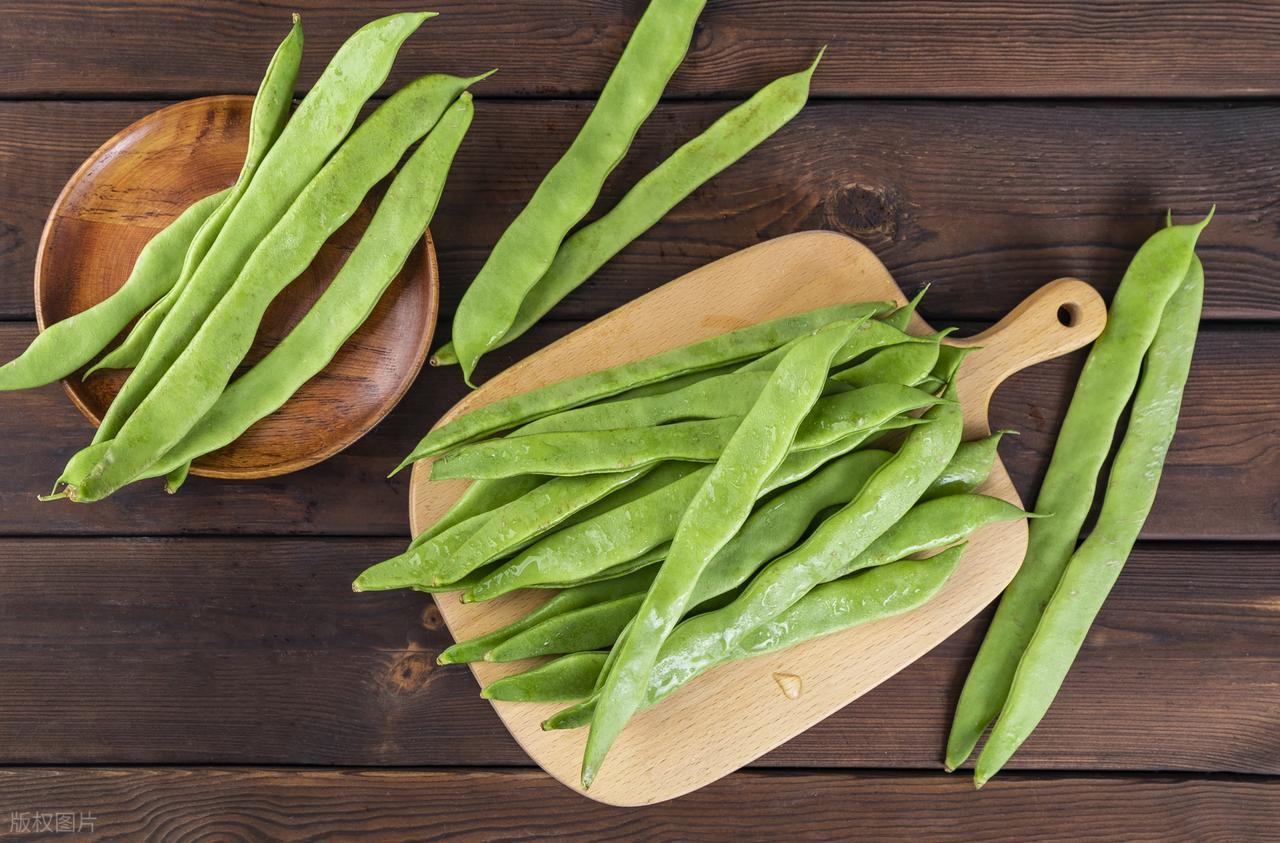
Lentils are not only the "king of legumes" but also a health guardian in the diet of middle-aged and elderly people. They nourish the body with rich proteins, stabilize blood sugar with dietary fiber, and protect the cardiovascular system with minerals. Whether used in congee, stews, cold dishes, or stir-fries, lentils can maximize their nutritional value.
Traditional Chinese medicine emphasizes "food and medicine sharing the same origin," with hyacinth beans being a perfect example. From strengthening the spleen, nourishing the stomach, and dispelling dampness and toxins to supplementing protein and stabilizing blood sugar, this humble little legume boasts remarkable health benefits. Its effects extend beyond treating specific illnesses—it gently and consistently nurtures our well-being like a silent guardian, helping us stay free from disease and live more vibrantly.
For middle-aged and elderly people looking to control blood sugar and protect cardiovascular health, lentils are a trustworthy ingredient. Remember, healthy eating isn't about rigid dietary restrictions, but rather finding balanced combinations that satisfy your appetite while protecting your body. Lentils not only provide essential nutrients, but also allow us to experience the true meaning of health through enjoyable meals.