Friends with poor gut health, try to eat less of these foods - stick with it, and your gut will improve significantly
"Bloated like a balloon, running to the bathroom more often than home, stomach acting up after every meal?" More and more people are troubled by these issues. Especially middle-aged and elderly individuals, who often lament: "Why has my gut become so 'fussy' as I age?"

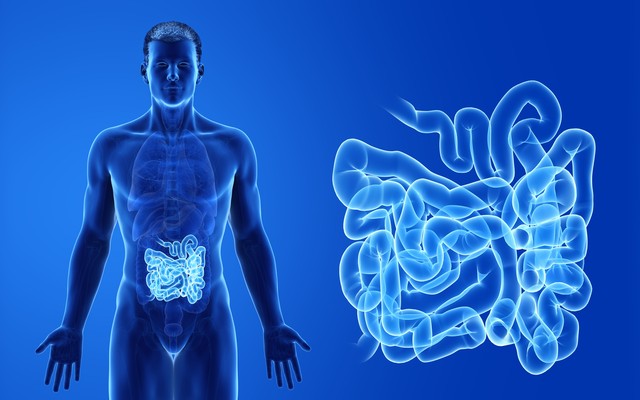
The gut is often referred to as the "second brain" of the human body, bearing the important responsibilities of nutrient absorption, waste elimination, and immune regulation. Traditional Chinese Medicine states that "the spleen and stomach are the foundation of postnatal health"—when gut function is impaired and insufficient qi and blood are generated, health problems naturally arise.
Modern medicine has further discovered that the gut is the body's largest immune organ, with over 70% of immune cells concentrated within it. Once the gut "goes on strike," it can lead not only to digestive issues like bloating and diarrhea but also to weakened immunity and chronic inflammation.
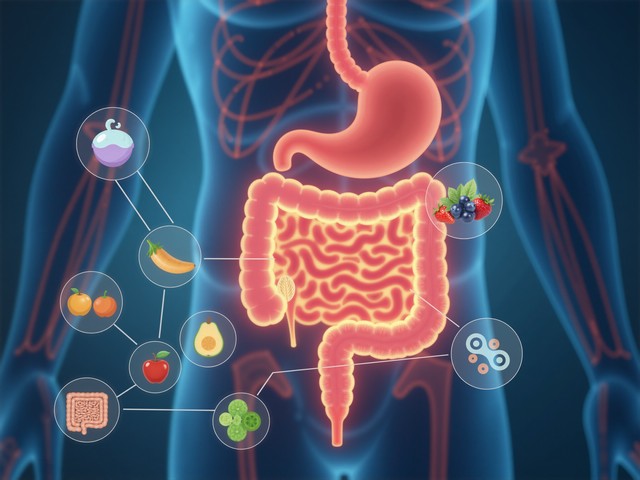
Many people with poor gut health often blame "inherent weak constitution" or "unavoidable aging," overlooking the fact that dietary habits are the real culprit. The gut is a "picky" organ—certain foods not only fail to nourish but can actually harm intestinal health.
Today, we’ll discuss which foods are the gut's "archenemies," why reducing their intake can significantly ease digestive burden, and how dietary adjustments can genuinely restore gut health, revitalizing the body from the inside out.
Gut problems? Diet is the key
Gut health is closely related to diet. The food we consume daily directly affects the balance and function of the gut microbiota. Traditional Chinese Medicine suggests that individuals with poor gastrointestinal function often suffer from "dietary irregularities." Improper eating habits increase the burden on the spleen and stomach, disrupt qi and blood circulation, and lead to symptoms such as bloating, constipation, and indigestion.
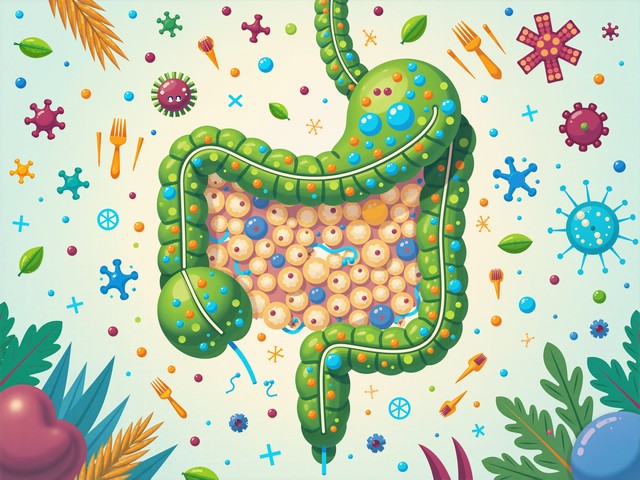
Modern medicine has also found that unhealthy dietary habits—such as high-sugar, high-fat, and high-salt diets—can disrupt microbial balance in the gut, resulting in an increase in harmful bacteria and a decrease in probiotics, ultimately triggering gut inflammation and functional disorders.
For those with poor gut health, consuming the wrong foods can make matters worse. Some foods may seem delicious but are actually "hidden killers" for the gut, while certain eating habits may appear harmless but silently damage gut health. Here are several types of foods that individuals with poor gut function should minimize.
Which foods are the "archenemies" of the intestines?
The first category is high-fat fried foods. Although crispy and tempting, fried foods like fried chicken, french fries, and youtiao are among the worst foods for gut health. These high-fat foods digest slowly, slowing down intestinal motility and potentially causing bloating and constipation.
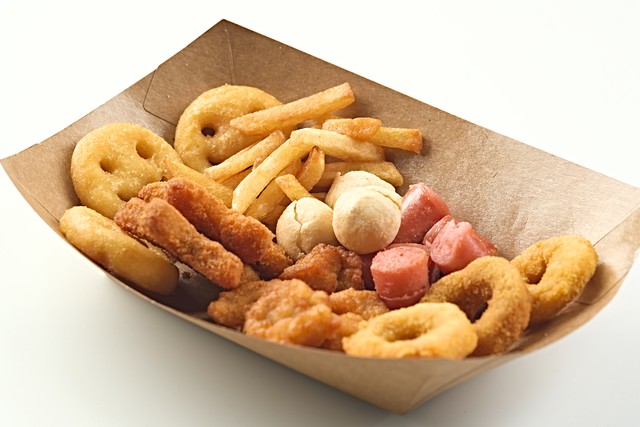
Long-term consumption of high-fat foods may also increase the risk of intestinal inflammation. In comparison, choosing steaming, boiling, or stewing cooking methods is both healthier and better for gut protection.
The second category is spicy and irritating foods. Although chili peppers, Sichuan peppercorns, mustard, and other spicy foods can "whet the appetite," they are like "adding fuel to the fire" for those with poor intestinal health. Spicy foods can irritate the intestinal mucosa, worsening discomfort symptoms such as diarrhea and abdominal pain. If bland food seems tasteless, you can opt for milder seasonings like ginger and garlic, which not only enhance flavor but also warm the stomach and dispel cold, making them more intestine-friendly.

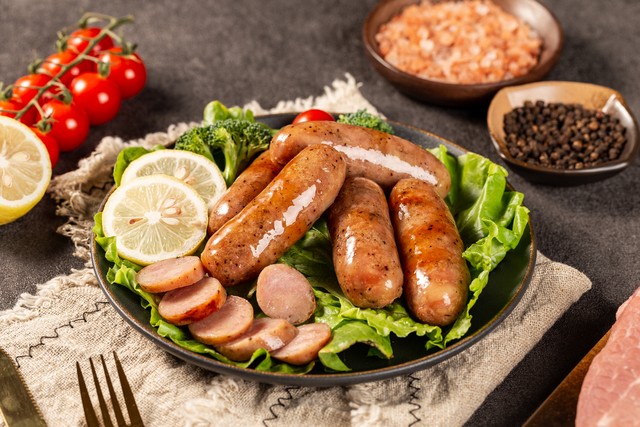
The third category includes processed foods and snacks containing additives. Processed foods such as sausages, instant noodles, and potato chips often contain large amounts of preservatives, artificial colors, trans fats, and other additives. These substances can disrupt the balance of gut microbiota, weaken intestinal immunity, and may even increase the risk of colorectal cancer.
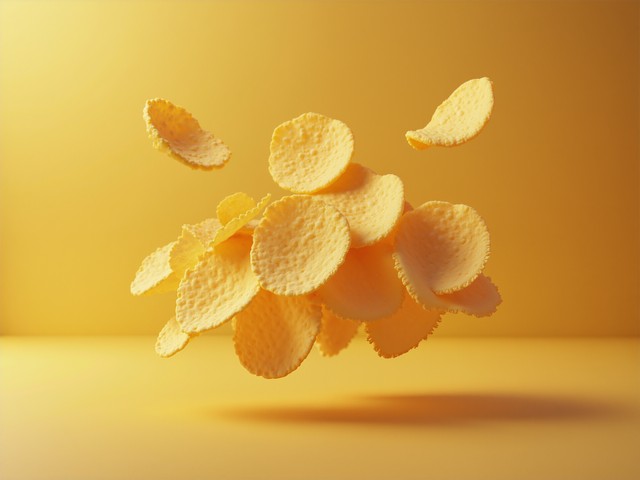
When craving snacks, opt for natural nuts and fresh fruits—they satisfy your snack cravings while benefiting your gut health.
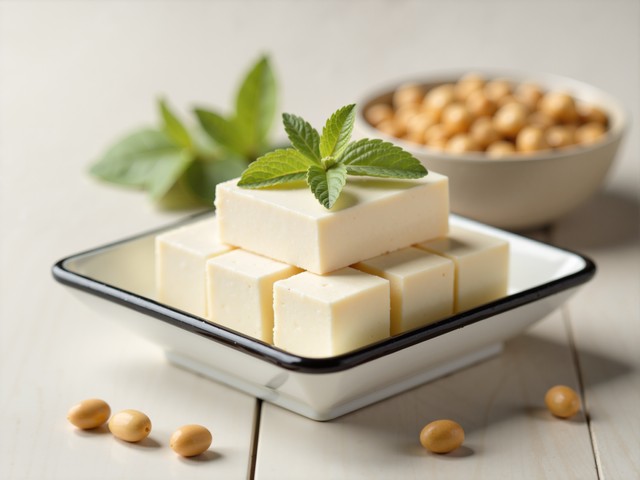
The fourth category is excessive dairy and soy products. Although dairy and soy products are rich in protein and calcium, for individuals with sensitive digestion, excessive consumption may cause bloating, increased flatulence, or even diarrhea. This is particularly true for people with lactose intolerance, as drinking milk may worsen intestinal discomfort. Opting for lactose-digested yogurt can provide nutritional benefits without irritating the gut.
The fifth category consists of foods high in sugar and salt. High-sugar foods like cakes and sugary drinks allow harmful bacteria in the gut to "feast happily," leading to intestinal flora imbalance. Meanwhile, high-salt foods such as pickled vegetables and salted fish increase the burden on the intestinal mucosa, potentially causing intestinal inflammation over time. For gut health, it's recommended to minimize intake of high-sugar and high-salt foods and opt for fresh, natural ingredients instead.
How to Eat for a Healthier Gut?
People with poor gut health should not only reduce intake of "nemesis" foods, but also need to adjust their eating habits to "lighten the load" on their intestines. Proper dietary practices can help restore gut health and boost overall immunity.
Increase consumption of fiber-rich foods. Dietary fiber acts as the "cleaner" of the gut, helping eliminate waste from the body, preventing constipation, and serving as "fuel" for probiotics to maintain gut microbiota balance. Vegetables like celery and leeks, along with fruits such as apples and bananas, are excellent sources of dietary fiber.
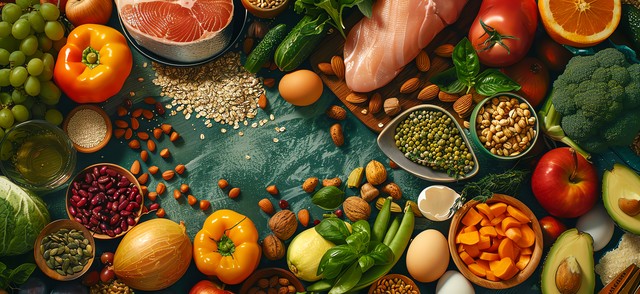
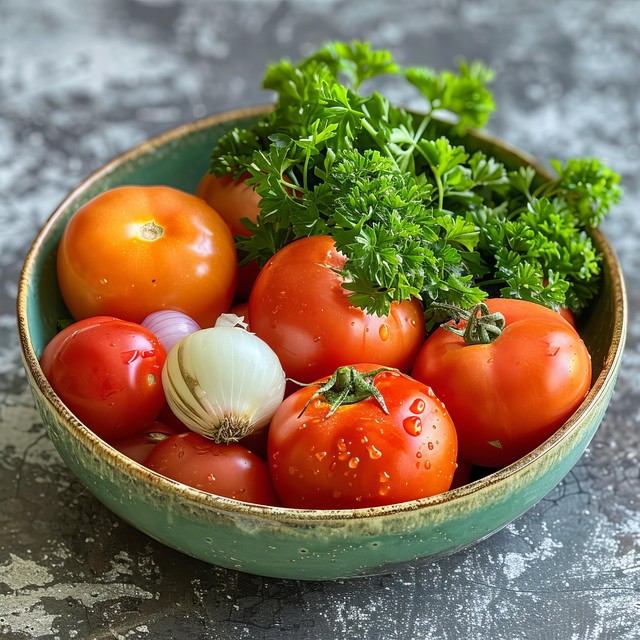
Consume probiotics and prebiotics in moderate amounts. Probiotics help repair the intestinal mucosa and promote digestion and absorption, while prebiotics provide energy for probiotics and enhance intestinal defense. Fermented foods like yogurt, kimchi, and miso, as well as prebiotic-rich ingredients such as onions and garlic, are highly beneficial for gut health.
Maintain regular eating habits and avoid overeating. The intestines thrive on "regularity and moderation." A consistent eating schedule helps maintain normal digestive rhythms. Overeating puts excessive strain on the gastrointestinal tract, which can easily lead to intestinal dysfunction. It is recommended to eat meals at fixed times each day, stopping when about 70-80% full.
Drink plenty of water to keep your intestines moist. Hydration is essential for softening stool and promoting bowel movements. Aim for 1500-2000ml of water intake daily, especially drinking a glass of warm water first thing in the morning to warm your stomach and stimulate intestinal peristalsis.
Moderate exercise boosts intestinal motility. Proper physical activity enhances blood circulation in the intestines, helping the digestive system function more efficiently. A 15-minute post-meal walk or gentle yoga poses daily can effectively promote gut health.
Persevere, and your gut will gradually improve
Having an unhealthy gut isn't scary - with consistent dietary adjustments and lifestyle changes, gut health can gradually recover. The benefits of gut health extend beyond just regular bowel movements and relief from bloating; more importantly, it enhances overall immunity and vitality.

If you also suffer from intestinal issues, starting today, reduce your intake of gut-harming foods such as high-fat, spicy, and processed foods. Instead, eat more natural and healthy ingredients, combined with regular meals and moderate exercise, to give your gut a "break." Stick with this routine, and you'll find that your digestion will truly become "more cooperative."