Can You Tell if Your Kidneys Are Healthy from Sleep? People with Poor Kidney Function May Experience These 4 Abnormalities at Night
"Poor sleep at night may be your kidneys 'crying for help'!" Many people assume sleep issues are solely caused by stress or aging, but in reality, kidney health significantly impacts sleep quality.
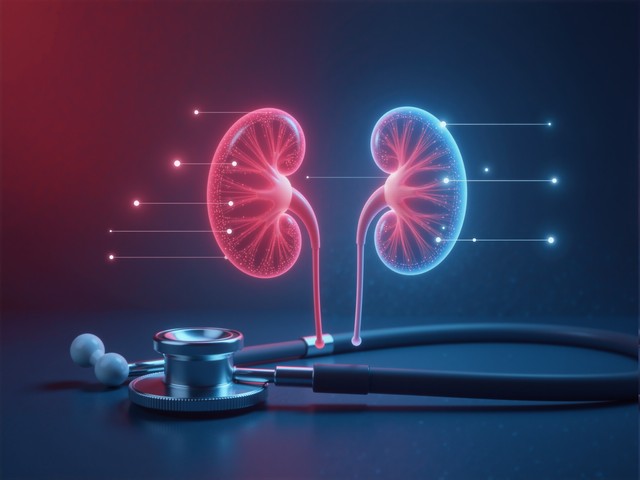
The kidneys are vital organs of the human body, regarded as the "foundation of innate constitution" in traditional Chinese medicine (TCM) and as the "filters" in modern medicine. TCM holds that the kidneys govern water, store essence, regulate fluid metabolism, and sustain vitality; while modern medicine indicates that kidneys are responsible for clearing metabolic waste, maintaining electrolyte balance, and stabilizing blood pressure.

If kidney function deteriorates, multiple systems in the body can be affected, and these issues often first manifest at night, showing up in sleep disturbances.
Nighttime is a critical period for the body's repair and metabolic processes, during which the kidneys work particularly hard. If the kidneys "shut down" or "underperform," the body will send warning signals, such as increased nocturia, poor sleep quality, or morning swelling.
4 Abnormal Sleep Signals in People with Poor Kidney Function
Early-stage kidney problems often present no obvious discomfort, but nighttime sleep acts as a "magnifying glass"—many kidney abnormalities become apparent during this time. These signals may seem minor but could be the kidneys' "distress calls."
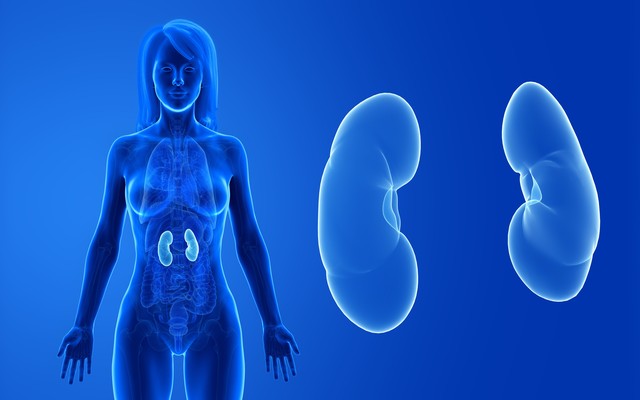
Frequent nighttime urination: Under normal circumstances, daytime urine output accounts for two-thirds of the total daily amount, with nighttime output making up only one-third. Most people wake up to urinate no more than once per night. If you need to get up two or three times or more during the night, it may indicate abnormal kidney function due to weakened glomerular filtration.

The glomerulus acts as the "filter" of the kidneys, responsible for removing metabolic waste and excess fluid from the blood into the urine. If the glomeruli are damaged, urine production abnormally increases, leading to increased nighttime urination. Particularly in the early stages of chronic kidney disease, frequent nocturia is often one of the most common symptoms.
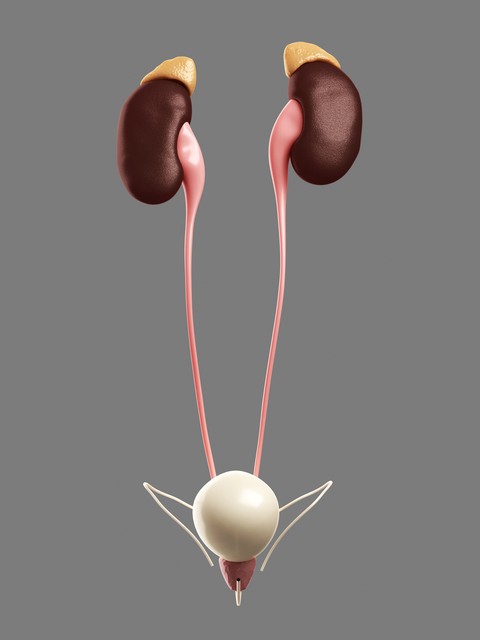
Leg cramps, sudden nighttime leg cramps that are extremely painful, are often mistaken for being caused by calcium deficiency. In fact, abnormal kidney function can also lead to leg cramps.

Another crucial function of the kidneys is to regulate electrolyte balance in the body. When kidney function declines, levels of minerals such as potassium, calcium, and magnesium may become imbalanced—particularly excessive loss of potassium and magnesium, which can easily lead to muscle cramps. Under circumstances of slowed nighttime blood circulation, cramping symptoms become more pronounced.

Insomnia and frequent dreams are closely related to kidney health and nervous system regulation. Traditional Chinese Medicine believes that "the kidneys store essence, essence generates marrow, and marrow connects to the brain." Insufficient kidney essence can affect brain marrow nourishment, leading to insomnia, frequent dreams, light sleep, or even frequent nighttime awakenings.

Modern medical research has also found that abnormal kidney function can lead to the accumulation of metabolic waste in the blood, and these toxins may affect the function of the central nervous system, disrupting sleep quality. Chronic insomnia can further increase the burden on the kidneys, creating a vicious cycle.

Morning Swelling: Waking up with puffiness around the eyelids, face, or feet may indicate impaired kidney drainage function. The kidneys are responsible for eliminating excess water and sodium from the body. When renal tubule function declines, fluid cannot be properly excreted and tends to accumulate overnight, manifesting as edema upon waking.

This swelling often leaves an indentation when pressed and gradually subsides during daytime activities. If swelling occurs frequently, it may indicate significant kidney dysfunction and warrants medical attention.
Why Do Kidneys Get "Injured"? Poor Lifestyle Habits Are the Key
The kidneys are a silent organ—they can maintain normal metabolism even when function declines by 50%. Therefore, by the time many kidney problems are detected, they have often progressed to moderate or advanced stages. The primary culprits behind declining kidney function are frequently the poor daily habits that go overlooked.
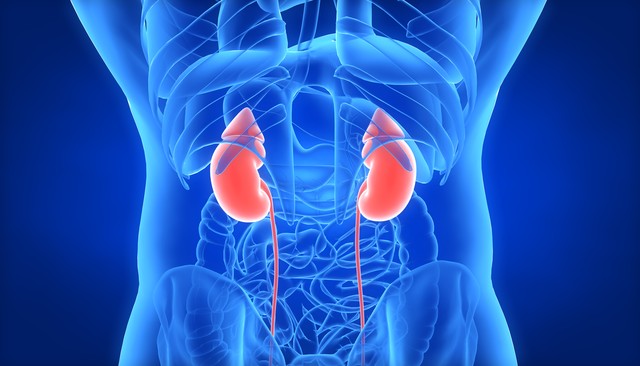
Staying up late long-term is the "number one killer" for kidney damage. The period from 11 PM to 3 AM is a crucial time window for kidney repair and detoxification. Sleep deprivation disrupts the body's biological clock, leading to kidney essence depletion and metabolic dysfunction.

Both insufficient and excessive water intake can harm the kidneys. Insufficient water intake increases toxin concentration in the kidneys, raising filtration burden; while excessive water dilutes electrolytes in the blood, increasing pressure on the renal glomeruli. Prolonged such conditions may lead to kidney "overwork."

A high-salt diet is another common issue. Excessive salt intake can lead to elevated blood pressure, increasing the kidney's workload, while also stimulating renal tubules and impairing the kidneys' excretory function.
The misuse of drugs also poses significant harm to the kidneys. Commonly used medications such as painkillers and antibiotics, when taken over prolonged periods, can directly damage the glomeruli and renal tubules, leading to the development of chronic kidney disease.

How to Protect Kidney Health and Improve Sleep Quality
Kidney health is the foundation of sleep, while good sleep in turn protects the kidneys. Through daily regulation, kidney function can be effectively improved, reducing nighttime discomfort symptoms.
Maintaining a regular sleep schedule and allowing time for kidney repair—going to bed before 11 p.m. and ensuring 7-8 hours of quality sleep daily—are fundamental to kidney protection. Nighttime is a critical period for the kidneys to metabolize waste and restore function. Staying up late accelerates the depletion of kidney essence and leads to declining kidney function.

Maintain a light diet and consume more kidney-protective foods. In your daily diet, you may appropriately increase foods that nourish the kidneys and replenish essence, such as black sesame seeds, walnuts, yams, and goji berries. These ingredients are rich in trace elements and antioxidant compounds, providing abundant nutritional support for your kidneys. Additionally, limit salt intake to no more than 5 grams per day to avoid kidney damage from a high-sodium diet.

Moderate exercise promotes blood circulation. Engaging in about 30 minutes of aerobic exercise daily, such as brisk walking or Tai Chi, can enhance blood circulation and help the kidneys perform metabolic functions more efficiently. However, exercise intensity should not be too high to avoid excessive physical fatigue, which may instead increase the burden on the kidneys.

Maintain an appropriate daily water intake (generally 1500-2000 ml), which helps your kidneys eliminate metabolic waste. Avoid excessive or insufficient water consumption. Drinking too much water in a short time, especially right before bedtime, may lead to frequent nighttime urination and affect sleep quality.

Regular check-ups enable early detection and intervention. Kidney problems often develop slowly with subtle early symptoms, making routine urine tests and renal function tests particularly important. Any abnormalities detected should prompt immediate medical attention to prevent further progression of the disease.
Nocturnal Signals: The Health Barometer of Your Kidneys
The health of your kidneys determines the overall functioning state of your body, while abnormal nocturnal manifestations serve as a "barometer" for kidney health. Frequent nighttime urination, calf cramps, insomnia with vivid dreams, and morning edema - these seemingly insignificant issues may be early warning signs of declining kidney function.
Maintaining regular sleep patterns, a healthy diet, moderate exercise, and routine medical checkups can effectively protect kidney function, improve sleep quality, and revitalize the body. There are no shortcuts to kidney health—only by conscientiously protecting them through daily habits can we keep our bodies in optimal condition to face each day's challenges. We hope this article helps everyone pay attention to and care for their kidneys, walking hand in hand with good health.