Hypertension and Meat Consumption: 3 Types to Avoid, 2 Types to Eat Regularly for Stable Blood Pressure and Nutrition
"Doctor, do I need to stop eating meat? I heard meat makes blood pressure worse!" The elderly gentleman, recently hospitalized for hypertension, wouldn't even glance at the braised pork on the table after returning home. He believes people with high blood pressure should follow a "plain diet" and that meat is completely off-limits.
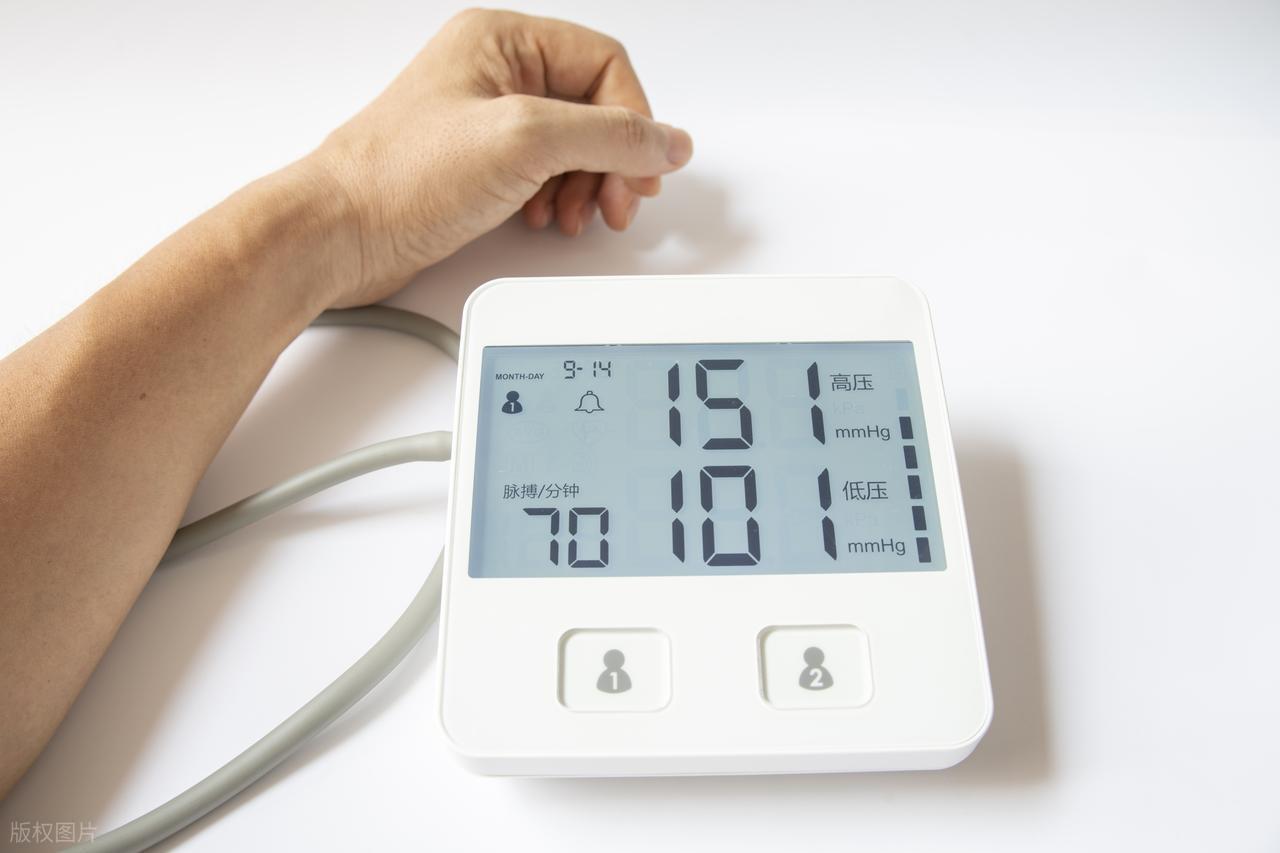
However, the doctor pointed out his misconception: "Hypertension patients are not forbidden from eating meat; they just need to learn to 'choose the right meat.' Eating the right kind of meat not only avoids raising blood pressure but also provides essential nutrients." This surprised Old Zhang: "Can eating meat actually lower blood pressure?"
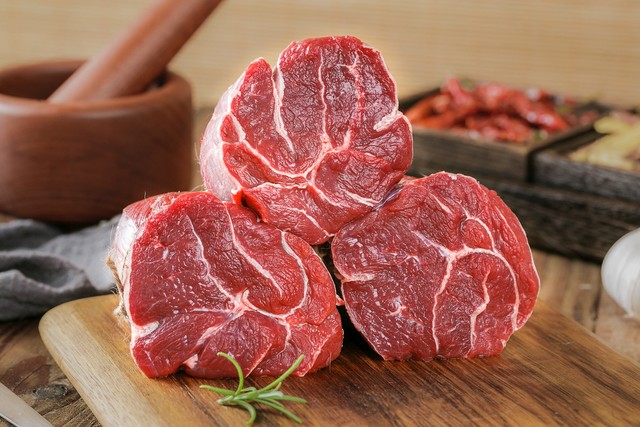
In fact, people with high blood pressure can definitely eat meat, but they shouldn't indulge in it excessively. Today, we'll discuss how hypertension patients should approach meat consumption: which types of meat should be strictly avoided, and which can be safely consumed regularly?
Why Can't People with High Blood Pressure Eat Meat Freely?
Many people are aware that elevated blood pressure is closely related to diet. A high-salt diet is a major factor contributing to hypertension, but meats high in fat and cholesterol are equally important "culprits". Certain meats contain high levels of fat, particularly excessive saturated fatty acids and cholesterol, which can lead to blood vessel hardening and increase blood pressure burden.
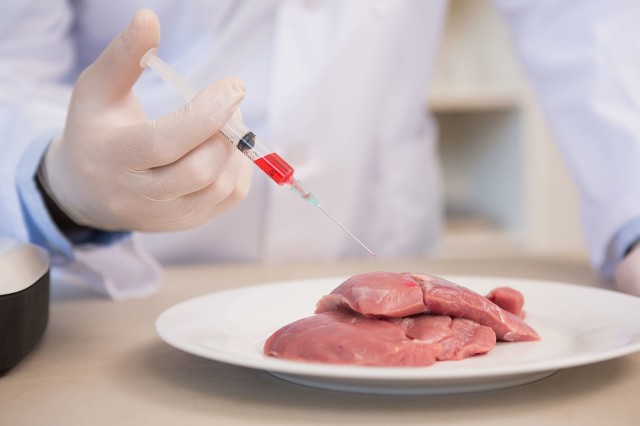
In addition, the "hidden salt" in processed meat products is an even greater enemy for hypertensive patients. For example, processed meats like sausages, bacon, and ham are often loaded with sodium salt and nitrites to extend shelf life. Every bite is equivalent to "sprinkling salt" into blood vessels, making it more likely to trigger a sudden spike in blood pressure.
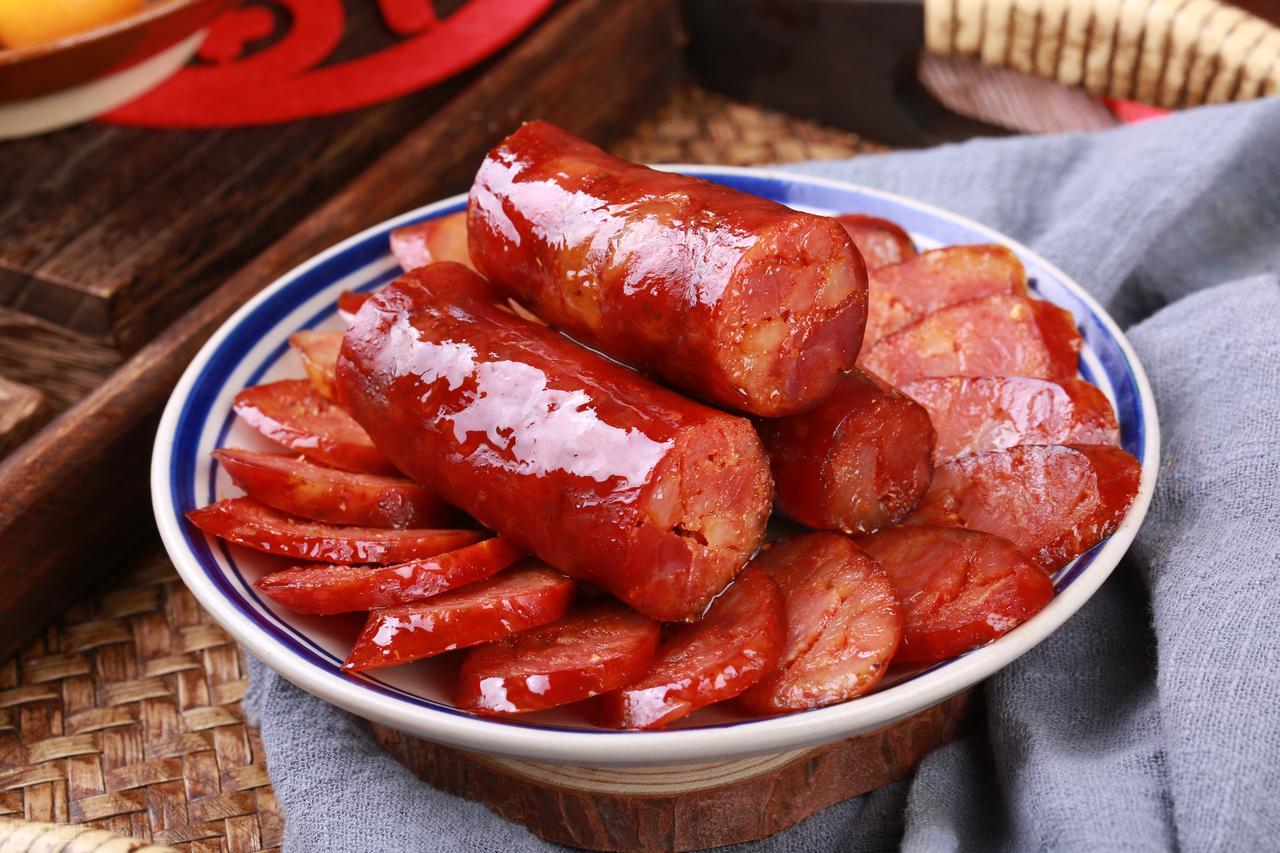
The cooking methods of meat can also directly impact health. High-temperature and high-fat cooking methods like deep-frying and braising in soy sauce can double the fat content of meat while generating substantial amounts of oxidized substances harmful to blood vessels, further increasing the burden on the cardiovascular system.
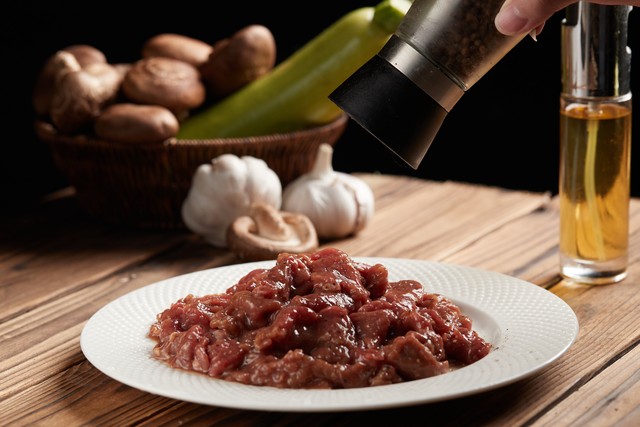
However, meat is not a "forbidden zone" for hypertensive patients. On the contrary, moderate amounts of high-quality protein and unsaturated fatty acids can actually promote vascular health and help stabilize blood pressure. So which "dangerous meats" should hypertensive patients avoid, and which meats are beneficial for their health?
3 types of meat to absolutely avoid - blood pressure may rise instead of fall
First, hypertensive patients should stay away from processed meat products. Although delicious, meats like sausages, cured meats, and bacon contain extremely high sodium levels. To enhance flavor and extend shelf life, these products are loaded with large amounts of salt and nitrites during processing.

100 grams of sausage may contain over 1000 mg of sodium, while the World Health Organization recommends that adults should not consume more than 2000 mg of sodium per day. For hypertensive patients, eating these processed meats is equivalent to "adding fuel to the fire" of blood pressure.

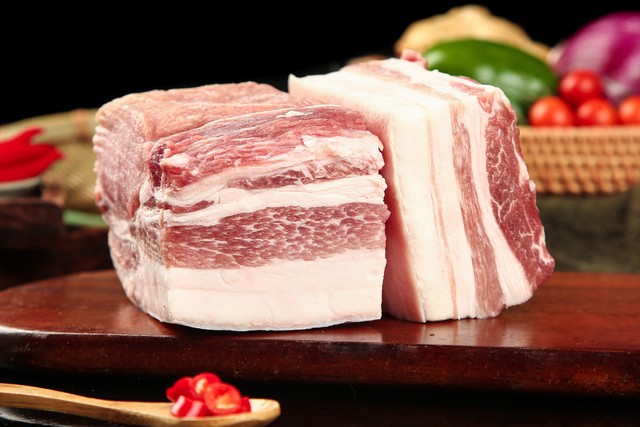
Secondly, red meats high in fat content, such as fatty beef and pork belly, are also unsuitable for hypertensive patients. These meats contain high levels of saturated fatty acids, which can easily trigger abnormal blood lipids and atherosclerosis. Particularly for those who enjoy hot pot or braised pork, a single meal often results in fat intake far exceeding recommended limits. Prolonged consumption not only elevates blood pressure but may also induce coronary heart disease.

Finally, high-temperature fried meats like fried chicken and fried ribs are also "no-go zones" for people with high blood pressure. During frying, fat content increases significantly while harmful substances are produced, accelerating vascular aging. Additionally, trans fatty acids in fried foods raise "bad cholesterol" levels, further increasing cardiovascular strain.
2 Types of Meat You Can Eat Regularly to Stabilize Blood Pressure and Supplement Nutrition
Although patients with hypertension need to avoid certain types of meat, this doesn't mean they should "abstain from meat entirely." The following two types of meat not only won’t raise blood pressure but also provide the body with high-quality protein and nutrients, making them suitable for regular consumption by hypertension patients.
The first is fish. Fish is a low-fat, high-protein healthy food, especially deep-sea fish such as salmon, mackerel, and sardines, which are rich in unsaturated fatty acids. These help reduce bad cholesterol and increase good cholesterol, making them highly beneficial for protecting blood vessels and stabilizing blood pressure.
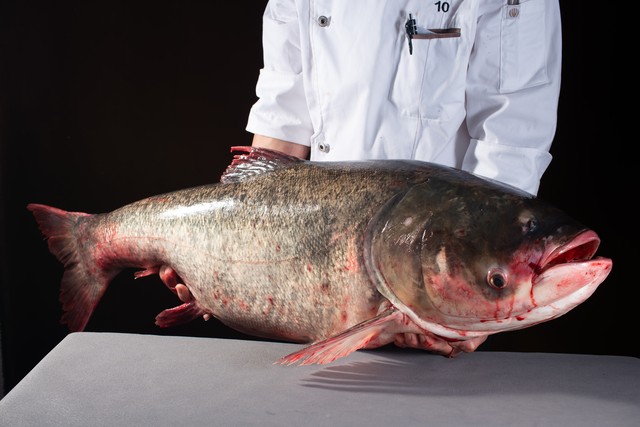
In addition, fish is rich in potassium and magnesium, which helps regulate electrolyte balance in the body and alleviate vascular tension caused by hypertension.
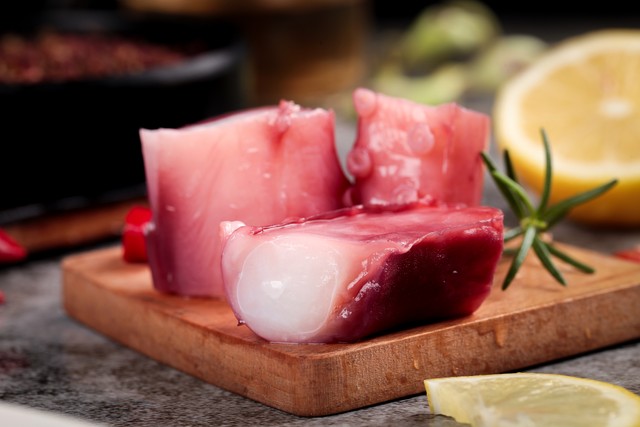
The cooking method for fish is crucial. It is recommended to opt for steaming, boiling in soup, and other low-oil, low-salt methods to best preserve the nutritional value of the fish. For example, simmering crucian carp into a clear broth with a small amount of ginger slices and cilantro is not only delicious but also highly beneficial for the vascular health of hypertensive patients.

The second option is chicken breast. Chicken breast is low in fat but rich in protein, making it an excellent source of high-quality protein. Compared to red meat, it contains lower levels of cholesterol and saturated fatty acids, putting no strain on blood vessels. For hypertensive patients, steamed or boiled chicken breast paired with vegetables is both a healthy and delicious choice.
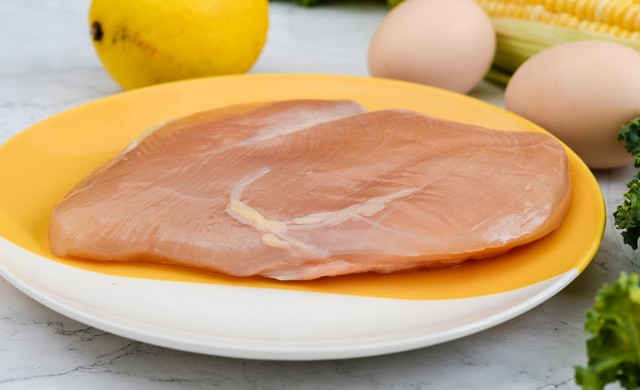
Chicken breast can be diced and marinated with lemon juice, then lightly pan-fried with olive oil to enhance flavor while avoiding excessive fat intake.
Eating meat also requires attention—how to do it healthily?
For hypertensive patients, meat selection isn't just about choosing the right types—attention must also be paid to cooking methods and portion sizes. First, it's recommended to opt for low-temperature cooking techniques such as steaming, boiling, or stewing, while avoiding high-temperature, high-fat methods like deep-frying or braising in soy sauce. Low-temperature cooking not only reduces fat intake but also preserves meat's nutritional value and minimizes vascular damage.
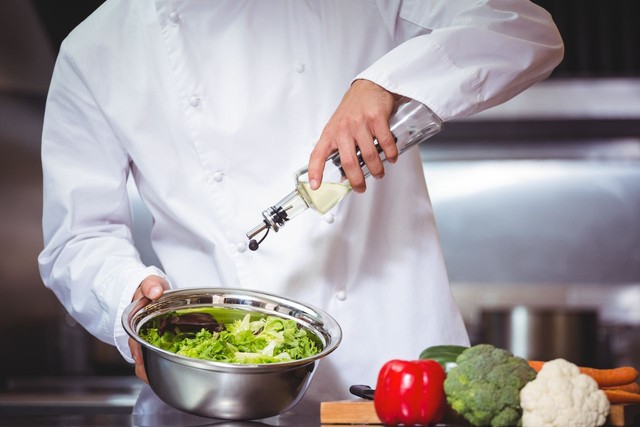
Secondly, daily meat intake should be controlled between 50-75 grams, which is approximately the size of an adult's palm. For hypertensive patients, moderate meat consumption can meet the body's protein requirements without increasing vascular burden.
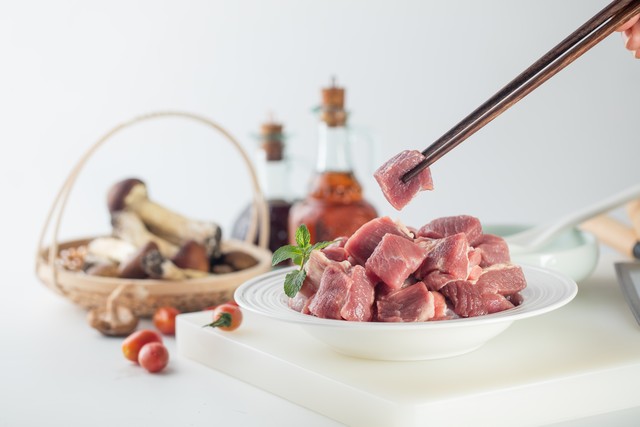
In addition, it's best to pair meat with fiber-rich vegetables like broccoli and carrots. Dietary fiber helps lower cholesterol while promoting intestinal motility, reducing the impact of high-fat foods on blood vessels.
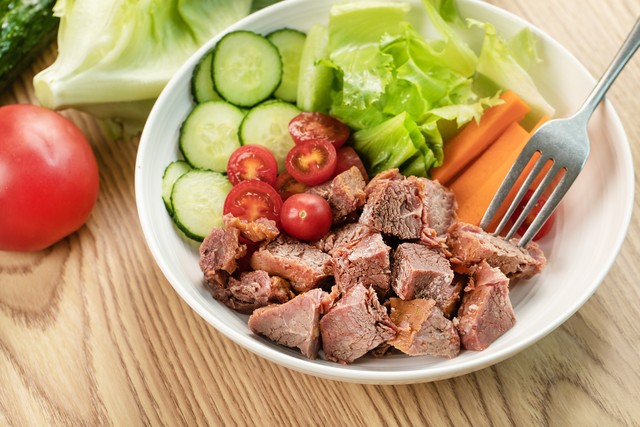
It is worth noting that hypertensive patients should reduce salt intake when consuming meat. Natural seasonings such as scallions, ginger, garlic, lemon juice, and pepper can be used as substitutes for salt to enhance food flavor while avoiding excessive sodium intake.
Healthy Dietary Recommendations for Hypertensive Patients
Meat selection is only one part of dietary management for high blood pressure. To truly control blood pressure, comprehensive dietary adjustments are necessary. First, reduce the intake of high-salt and high-fat foods such as preserved products and fried foods. Secondly, increase consumption of foods rich in potassium, magnesium, and calcium, such as bananas, nuts, and leafy green vegetables, as these minerals play a crucial role in blood pressure regulation.
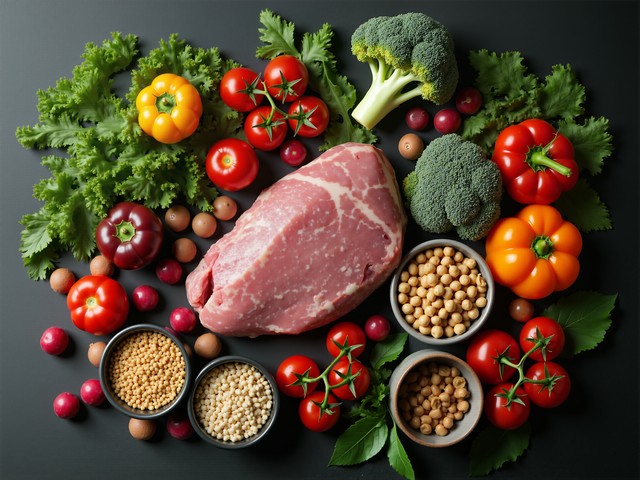
At the same time, hypertension patients should develop the habit of eating smaller, more frequent meals, keeping their daily diet as light as possible and avoiding overeating. Moderate exercise and maintaining regular daily routines are also crucial aspects of blood pressure control.
Eating the Right Meat for Better Vascular Health in Hypertensive Patients
High blood pressure is not a "death sentence for meat eaters"; the key lies in knowing how to choose and consume meat wisely. Processed meats, fatty cuts, and fried meats should be strictly limited, while fish rich in high-quality protein and unsaturated fats as well as chicken breast can be safely enjoyed. With a balanced diet and healthy cooking methods, individuals with high blood pressure can not only stabilize their blood pressure but also benefit from the nutrition and satisfaction that delicious food provides.
We hope every hypertension patient can maintain their vascular health through scientific dietary choices, leading to a more relaxed and comfortable life!