The "Miracle Cure" for Insomnia Has Been Found: Take It Occasionally for Sound Sleep
"Doctor, I've counted sheep up to ten thousand every night, but still can't fall asleep. What should I do?" Aunt Zhang, 56, has recently encountered a major problem—insomnia. She used to be someone who "fell asleep as soon as her head hit the pillow," but somehow, night-time has become her "time of torment." Either she tosses and turns unable to sleep, or she wakes up shortly after dozing off.
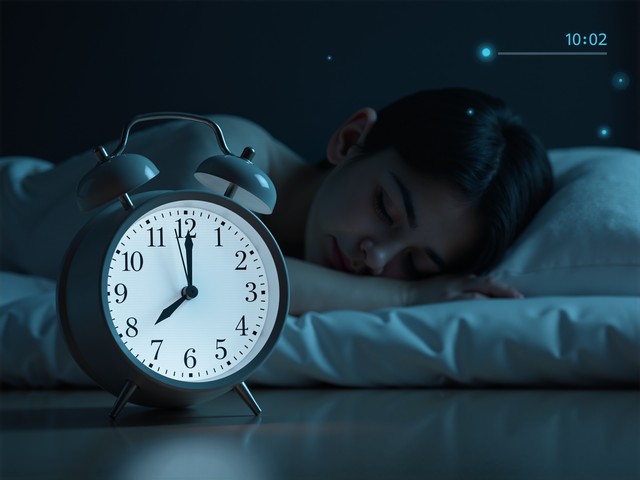
She's tried drinking milk, soaking her feet, and even bought sleep aids from the pharmacy, but none have worked well. Frustrated, she said, "Doctor, just hearing the word 'bed' now makes me so nervous I can't sleep!"

In fact, many middle-aged and elderly people like Aunt Zhang face similar struggles. As people age, sleep problems become a persistent issue for many. Some rely on hearsay and take melatonin; others depend on sleeping pills; and some stay up all night scrolling through their phones, only to feel more awake.

But did you know? The "miracle cure" for insomnia might already be on your dining table. Today, we'll discuss which foods can help you sleep peacefully and the hidden health "codes" behind insomnia.
The Root of Insomnia: A Double Dilemma of Body and Mind
Traditional Chinese Medicine emphasizes the concept of "harmony between heaven and man," believing that human sleep is closely related to the yin and yang changes in nature. The Yellow Emperor's Inner Canon states: "When yang qi is exhausted, one sleeps; when yin qi is exhausted, one awakens." This means that when the body's yang qi subsides and yin qi is sufficient, one can sleep peacefully; conversely, excessive yang qi or imbalance between yin and yang may lead to insomnia.

Modern medical research has found that sleep problems are often related to decreased melatonin secretion, neurotransmitter imbalances, anxiety, and other factors.

Behind the insomnia experienced by many middle-aged and elderly people often lies a "dual dilemma" of both physical and psychological factors. For instance, as people age, the body's melatonin secretion decreases, leading to longer sleep onset times and poorer sleep quality. Additionally, common chronic conditions such as hypertension, diabetes, and arthritis—with their associated nighttime pain or frequent urination—can further disrupt sleep.

Meanwhile, psychological factors should not be overlooked either. Feelings of loneliness after retirement, work pressures faced by children, and minor conflicts in daily life can all lead to "sleepless nights."

Insomnia not only causes daytime headaches and sluggishness, but may also lead to a series of health issues such as hypertension, heart disease, and memory decline. Therefore, addressing insomnia is by no means a trivial matter—it is a significant concern for overall health.
The "Miracle Cure" for Better Sleep - Surprisingly Found in These Foods
When it comes to natural sleep aids, many people immediately think of milk. Indeed, the tryptophan in milk promotes the brain's production of serotonin - the "happiness hormone" - which helps relax nerves and improve sleep quality. However, there are several overlooked yet remarkably effective foods that can be considered true "miracle sleep remedies".
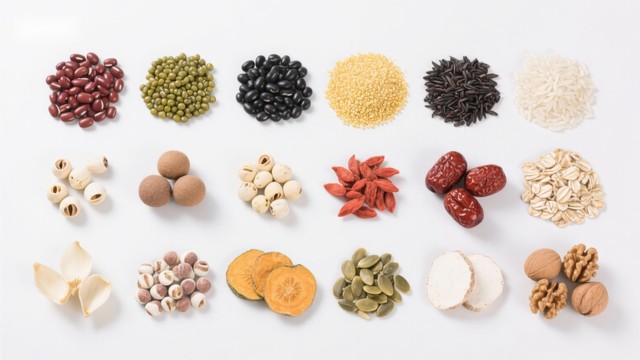
First on the list is walnuts. They naturally contain melatonin - a substance that directly regulates the body's biological clock and improves sleep onset. Traditional Chinese Medicine views walnuts as warm-natured foods that strengthen kidney function, consolidate essence, and moisturize intestines to relieve constipation, making them particularly effective against insomnia caused by kidney qi deficiency. Eating a few walnuts before bed each night not only promotes sleep but also nourishes the brain - providing double benefits.

Next is lotus seed. Since ancient times, lotus seed has been considered a "remedy" in Traditional Chinese Medicine for calming the nerves. It is rich in lotus seed alkaloids and various trace elements, which can soothe the mind and alleviate anxiety. Particularly, the slightly bitter lotus plumule is key to its calming effects. Cooking porridge with lotus seeds, red dates, and lily bulbs not only nourishes the stomach but also aids sleep, making it an ideal dinner choice for middle-aged and elderly people.

Another option is millet. Rich in tryptophan and B vitamins, millet promotes nervous system relaxation and helps the body enter deep sleep more quickly. Traditional Chinese medicine considers millet cooling in nature, aiding in spleen and stomach health while replenishing deficiencies—making it particularly suitable for consumption before bedtime. A bowl of millet and pumpkin porridge is not only simple and nutritious but also helps you sleep more soundly.

Why can these foods help you sleep well all night?
The secret behind why foods like walnuts, lotus seeds, and millet aid sleep lies in their ability to regulate the human nervous system and hormone secretion. For instance, the melatonin in walnuts directly adjusts the brain's circadian rhythm, helping you fall asleep "on schedule"; the nelumbine in lotus seeds can calm the central nervous system, relieving tension and anxiety; while the tryptophan in millet gets converted into serotonin in the body, improving sleep quality to help you sleep soundly through the night.
From the perspective of traditional Chinese medicine, these foods also have the effects of nourishing qi and blood, as well as regulating yin and yang. Walnuts benefit the kidneys and replenish marrow, nourishing the body's "innate foundation"; lotus seeds nourish the heart and calm the mind, regulating mental restlessness; millet strengthens the spleen and benefits the stomach, replenishing postnatal qi. These foods regulate the body's "internal environment" at different levels, ultimately alleviating sleep problems.
Beyond Dietary Therapy, Improving Sleep Requires "Extra Effort"
While dietary therapy is an important step in improving sleep quality, truly overcoming insomnia requires comprehensive lifestyle adjustments to fully regulate both physical and mental states. For instance, try to avoid using phones or computers within two hours before bedtime, as the blue light emitted from electronic screens suppresses melatonin secretion and affects sleep onset. Consider replacing phone scrolling with activities like reading, meditation, or listening to soft music to gradually help your brain "wind down."

Additionally, maintaining a regular sleep schedule forms the foundation for improving sleep quality. Many middle-aged and elderly individuals face issues with excessively long afternoon naps, leading to excessive energy at night and difficulty falling asleep. It's recommended to limit nap times to under 30 minutes and avoid taking naps after 3 PM.

Moderate exercise also aids sleep. Consistent daily light aerobic activities like brisk walking or Tai Chi not only promote blood circulation but also help alleviate anxiety, making it easier for the body to enter "rest mode." However, it's important to avoid exercising within two hours before bedtime to prevent overstimulation that may interfere with falling asleep.
Doctor's Advice: Healthy Sleep Starts with Small Steps
Insomnia isn't something that can be solved overnight—it requires us to make gradual lifestyle adjustments. While natural remedies like walnuts, lotus seeds, and millet can help, they're merely supplementary. Truly quality sleep comes from regular routines, a peaceful mindset, and a healthy body.

If your insomnia has become severe enough to affect daily life, it is advisable to seek medical attention promptly and identify the root cause with the help of a professional doctor. Remember, healthy sleep is the cornerstone of a healthy life—good sleep leads to good health.