Home > Cancer > Cancer Basics > Article
I received a private message from a fan in the backend: "Xiao Jiu, I'm really scared now. My grandfather passed away from cancer, and last week my uncle was also diagnosed with cancer. Does our family have a cancer gene? Will I get cancer too?!"
In daily life, we often see news reports about multiple family members or several people in the same family being diagnosed with cancer. Does cancer really have a hereditary component? Is this an unbreakable 'fate'? Let's calm down first and listen to Xiao Jiu's rational explanation.
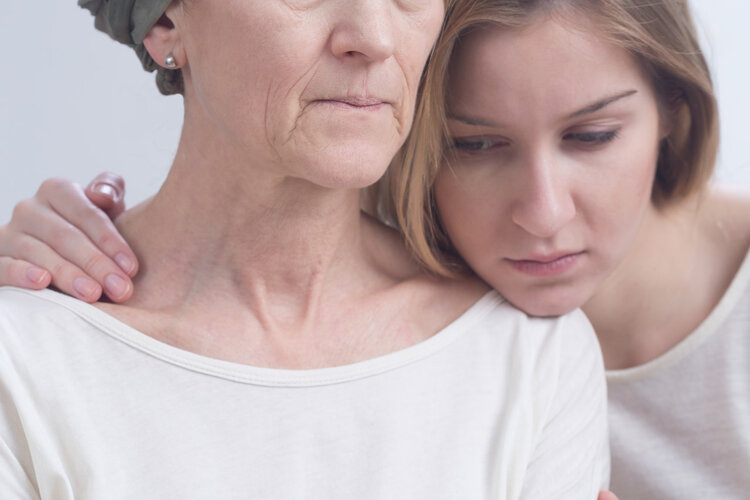
1. Is cancer related to genes, and can it really be inherited?
Throughout a person's life, no one can say for sure that they will never get cancer. Everyone has a risk of developing cancer. However, in life, it seems some people are inherently more prone to cancer than others, likely because they inherited cancer-related genes from their parents.
In 2016, a 31-year follow-up study published in the Journal of the American Medical Association involving over 200,000 participants indicated that approximately one-third of cancer cases are associated with genetic factors.
Research suggests that at least 22 types of cancer fall under the category of hereditary diseases and can be passed down through generations within families. The study noted that if immediate family members have these cancers, the risk of other siblings developing cancer increases by 33%.
From a scientific perspective, cancer itself is not inherently hereditary. What is passed down are the mutated genes that predispose individuals to cancer, also known as "cancer susceptibility."
Individuals carrying these genes have specific alterations in their genetic material, making them more prone to tumors—a condition referred to as a "susceptible constitution," which makes them more sensitive to external stimuli and more likely to develop tumors.
Professor Luo Rongcheng, Director of the Oncology Center at Southern Medical University, stated that cancer differs from other diseases in that it is not inevitable for children to develop the same illnesses as their parents.
The mutation of a single gene can lead to the development of various cancers, which is why many familial clusters of cancer involve multiple family members with different types of cancer. For example, a mutation in the BRCA1 gene may cause breast cancer or ovarian cancer.
To determine whether cancer is hereditary, you can assess it using the "3/2/1" rule—three key numbers.
3 refers to three individuals, meaning ≥3 family members with blood relations have been diagnosed with cancer; 2 represents two scenarios—either one person diagnosed with two types of cancer or paired organ cancers, or ≥2 lesions in the same organ; 1 indicates a young patient or one case of rare cancer.
2. These 4 types of cancer have hereditary tendencies—be vigilant if they run in your family
Most tumors are the result of a combination of genetic, environmental, and random factors, with hereditary cancers accounting for approximately 5-10% of all cases.
Most people's genetic predisposition genes are inherited from their parents. Under autosomal dominant inheritance, if one parent carries a pathogenic tumor predisposition gene, the probability of the next generation inheriting this gene is approximately 50%.
According to Dr. Xie Fangwei, Director of the Department of Integrative Oncology at Fuzhou First Hospital, there are four types of cancer with relatively high hereditary risks.
1. Liver cancer
If either parent is diagnosed with liver cancer, their children must be considered as primary prevention targets.
The occurrence of liver cancer is closely linked to the hepatitis B virus, which can be transmitted vertically and often leads to familial clustering. Particularly in mothers carrying the hepatitis B virus, their offspring face a significantly higher risk of developing liver cancer compared to the general population.
2. Breast Cancer
Breast cancer has a clear hereditary tendency, especially between direct relatives. If a mother has breast cancer, her daughter's risk of developing the disease is 2-3 times higher than others.

3. Gastric Cancer
The occurrence of gastric cancer is also strongly related to genetics. If one or two generations within a family have two or more members diagnosed with gastric cancer, and at least one of them was under 50 years old at the time of diagnosis, it is highly likely to be diffuse-type gastric cancer, which has a strong hereditary tendency.
4. Colorectal Cancer
Approximately 20–30% of colorectal cancer patients have a family history of various cancers. If even one immediate family member has familial adenomatous polyposis, other relatives should undergo relevant medical examinations as early as possible.
This is particularly important for individuals with unhealthy eating habits, such as those who regularly consume high-protein, high-fat, and high-calorie foods—these individuals should undergo screening as early as possible.
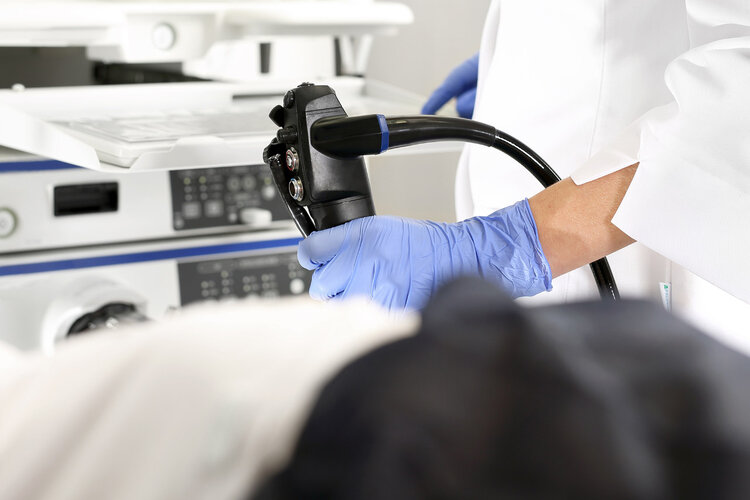
3. If there is a family history of cancer, how can you prevent it in advance?
The vast majority of tumors result from a combination of genetic, environmental, and random factors, with heredity being just one of the contributing influences.
Even if there is a history of cancer in your family, it doesn't necessarily mean you will develop it. Doing these three things regularly can help prevent cancer.
1. Focus on early screening
Cancer is a chronic disease, and its progression from onset to an advanced stage typically takes 5 to 20 years.
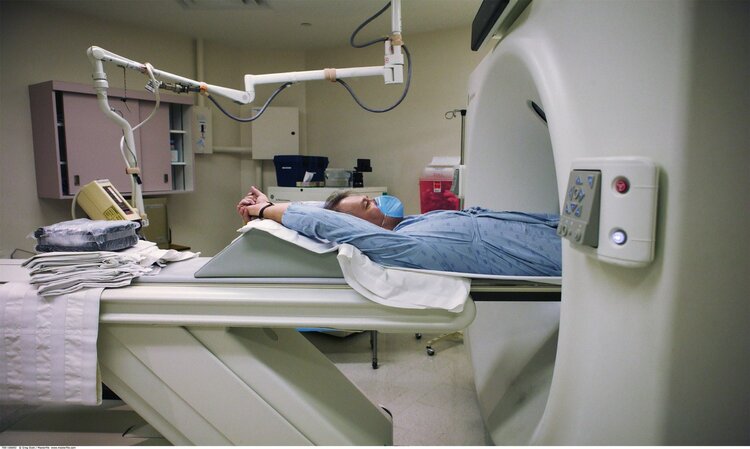
During the development of cancer, timely detection through medical check-ups can help curb its progression. It is recommended that individuals with a family history undergo relevant cancer screening every 1-2 years.
2. Reduce carcinogenic factors
The occurrence of cancer is related to factors such as environment, diet, and lifestyle habits. It is crucial to avoid chemical carcinogens in daily life, maintain a healthy diet, and reduce the intake of grilled and pickled foods, as these measures play a significant role in cancer prevention.
3. Maintain a Healthy Lifestyle
Adopting good lifestyle habits, such as a balanced diet, regular exercise, healthy sleep patterns, and quitting smoking while limiting alcohol, helps stabilize the body's internal environment, boosts immunity, and also contributes to cancer prevention.

The occurrence of cancer is a lengthy process. To prevent cancer, we must start now. If discomfort arises in daily life, seek medical consultation promptly.