5 Common Side Effects of Radiotherapy and How to Manage Them?
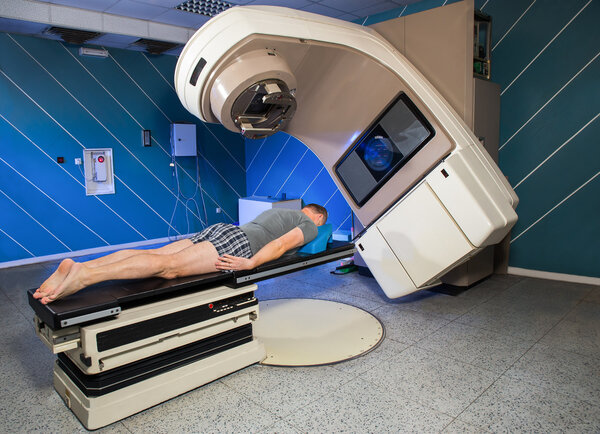
As an important means of cancer treatment, radiotherapy, along with surgery and chemotherapy, is considered one of the "three pillars" of traditional cancer therapies. Radiotherapy involves using radiation or high-energy electron beams to penetrate human tissues and irradiate the tumor, thereby killing cancer cells.
However, when radiation penetrates human tissues to reach the tumor, it inevitably causes damage to normal tissues as well. Rapidly proliferating normal cells in the body are more sensitive to radiation, making it difficult to avoid side effects on these tissues during radiotherapy. Based on the type of side effects, they can be categorized into systemic and localized side effects.
Systemic Side Effects
These often manifest as loss of appetite, fatigue, dizziness, headaches, insomnia, and weakened immune function, with some patients also experiencing gastrointestinal symptoms like nausea and vomiting. Generally, these symptoms are not severe and may resolve on their own.
Sometimes radiotherapy can lead to abnormalities in the blood system, such as decreases in white blood cell, red blood cell, or platelet counts. This more commonly occurs with large-scale radiotherapy targeting areas with active hematopoiesis, like the pelvis. Therefore, it is essential to complete a blood test before starting radiotherapy and to have weekly follow-up checks during the treatment.
If a decrease in the corresponding blood cell values occurs, medications to stimulate hematopoiesis can be administered. Depending on the situation, it may be necessary to decide whether to suspend radiotherapy or implement protective isolation.
Localized Side Effects
Localized side effects are the most common in radiotherapy, but most are reversible.
1. Skin Symptoms
Within 2-3 weeks after radiation therapy begins, patients may experience dry skin, redness, burning sensations, hair loss, peeling, itching, and in severe cases, even blisters or ulceration in the treated area.
During this time, it's important to keep the irradiated skin clean and dry. Avoid using soap, refrain from rubbing or scratching the area, do not use excessively hot water, and protect the skin from direct sunlight exposure.
Generally, the likelihood of severe skin reactions is low. Most skin symptoms will subside within a few weeks after treatment ends, and hair loss in the scalp area due to head radiation therapy will often regrow in most cases.

2. Oral Symptoms
If the oral cavity and pharynx are within the radiation treatment area, most patients will experience reactions in the oral and throat mucosa. These typically manifest as redness, swelling, ulceration, altered taste, pain, and difficulty swallowing. When the salivary glands are irradiated, symptoms such as dry mouth and unpleasant taste in the mouth may occur.
Before radiation therapy, patients typically undergo oral examinations, teeth cleaning, and treatment for cavities and loose teeth. During and after radiotherapy, it is advisable to rinse the mouth frequently with mild saltwater.
If eating becomes painful, semi-liquid or liquid foods can be consumed, but it is important to ensure adequate intake of calories and protein. In cases of severe reactions, antibiotics and corticosteroids may be used for treatment. These measures generally help alleviate post-radiotherapy oral mucosal reactions.
3. Radiation Pneumonitis
When the target area includes a certain volume of lung tissue, exposing the lungs to a significant dose of radiation, symptoms such as coughing, phlegm production, fever, and difficulty breathing may occur. The severity of symptoms can vary, and lung infections may exacerbate these side effects. During radiotherapy, patients should stay warm and be encouraged to perform deep-breathing exercises. Additionally, lung function should be evaluated before radiotherapy, and an appropriate radiation dose for the lungs should be determined to reduce the likelihood of radiation pneumonitis.
4. Radiation Cystitis
During pelvic radiation therapy, radiation cystitis may occur, with main symptoms including lower abdominal pain, difficulty urinating, urinary retention, urgency, hematuria, and dysuria. These symptoms are usually manageable and typically resolve on their own after radiation therapy ends. Patients should be encouraged to drink plenty of water and maintain a full bladder before treatment to reduce radiation exposure to the bladder.
5. Radiation Esophagitis
Esophageal cancer patients may experience symptoms of radiation esophagitis, such as a burning sensation behind the sternum and difficulty swallowing, within 2-3 weeks after radiotherapy. Most patients can tolerate these symptoms. After starting radiotherapy, patients should avoid consuming excessively hot, hard, or spicy foods to minimize irritation to the esophageal mucosa. It is recommended to eat smaller, more frequent meals and consume food slowly.
If symptoms are very pronounced, antibiotics and corticosteroids can be used to reduce mucosal inflammatory reactions and edema, with appropriate intravenous nutritional supplementation as needed.