How Far Is a Lung Nodule from Lung Cancer? What Should You Do If You Discover a Lung Nodule?
With the progress of society, the average life expectancy of people is increasing. The main reason is that more emphasis is being placed on health and regular check-ups. Pre-employment medical examinations at workplaces, annual employee health checks, personal periodic examinations, and good lifestyle habits all help us detect physical issues in a timely manner.
If a pulmonary nodule is found during a check-up, some people may ignore it, while others worry it might develop into cancer. So, what is the likelihood of a pulmonary nodule turning cancerous?
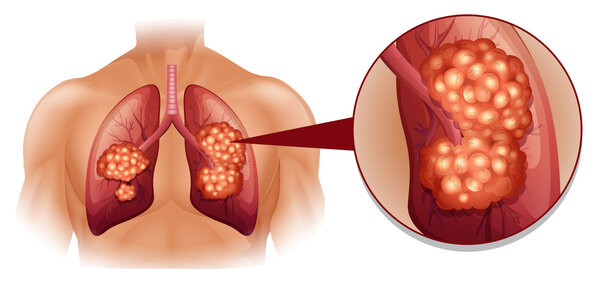
1. How Far is a Pulmonary Nodule from Lung Cancer?
Statistically, the majority of newly detected pulmonary nodules are benign conditions, such as inflammation, tuberculosis, scars, or lymph nodes, with the probability of malignancy being less than 20%. Even if it is lung cancer, most cases are in the early stages, which have a high cure rate. Therefore, from the perspective of lung cancer diagnosis and treatment, discovering a pulmonary nodule is actually a good thing—most outcomes are positive, and excessive worry is unnecessary.
2. What should you do if a pulmonary nodule is found?
1. Regular Follow-up
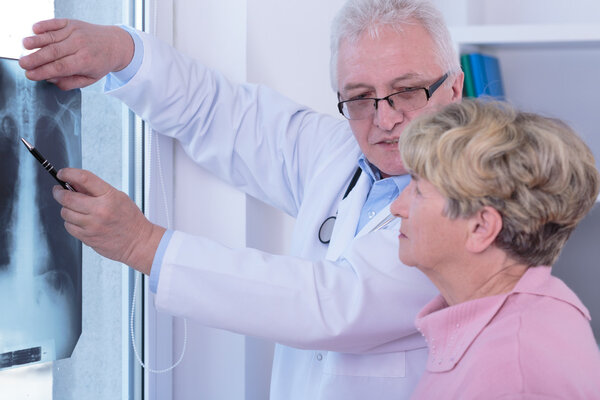
Generally, regular follow-up is recommended for nodules of unknown cause. According to international and domestic standards for the diagnosis and treatment of pulmonary nodules, nodules smaller than 4mm do not require treatment or testing as they do not affect normal life. You can regularly consume fruits and light foods, such as pears. It is commonly known that pears have lung-cleansing, lung-moistening, and cough-relieving effects. If you feel discomfort in your lungs, eating pears may help alleviate it. Small pulmonary nodules are remnants of inflammatory infections, and regularly eating pears can aid in their recovery to some extent.
If the nodule measures between 4mm and 6mm, it is advisable to undergo an annual check-up to monitor whether the nodule shows signs of growth. However, there is no need to worry, as nodules in this range are not yet cancerous. Maintaining a proper diet can help suppress their growth.
If the nodule size is between 6mm and 8mm, then it should be taken seriously and checked every six months. If there is no trend of growth, a follow-up check should be done the second year. If the nodule is larger than 8mm, it is best to check every three months while closely monitoring any changes, and ideally following the doctor's recommendations.
Perform CT scans at 3–6 months, 9–12 months, and 18–24 months, and compare the results with all previous scans to detect any early growth of the lesion and take timely measures. This is especially important for solitary ground-glass nodules larger than 8mm. Surgical treatment should be considered if progression continues.
2. Quit smoking and drinking
The first step should be quitting smoking and drinking, as pulmonary nodules carry the risk of developing into lung cancer, and smoking is the leading cause of lung cancer. Stopping these habits can prevent the disease from progressing further.
3. Balanced Diet
There are no special dietary precautions for pulmonary nodules; maintaining a balanced diet is sufficient. Avoid excessive consumption of spicy, irritating foods, limit intake of pickled foods, and refrain from eating barbecued or processed meat products.