Don't ignore frequent urination and urgency! Be careful not to miss the "gland" opportunity for prostate cancer.
In China, prostate cancer ranks first in incidence among male urogenital system tumors and sixth in mortality among male malignancies. Each year, 50,000 people in China die from prostate cancer, and many patients are already in the middle or advanced stages upon diagnosis.
This is largely due to the slow progression and inconspicuous early symptoms of prostate cancer. Many patients overlook issues such as frequent urination, urgency, difficulty urinating, or poor urine flow, thereby missing the optimal treatment window.
So, what symptoms might suggest the presence of prostate cancer? Which bad habits could potentially trigger prostate cancer?
1. What are the symptoms of prostate cancer?
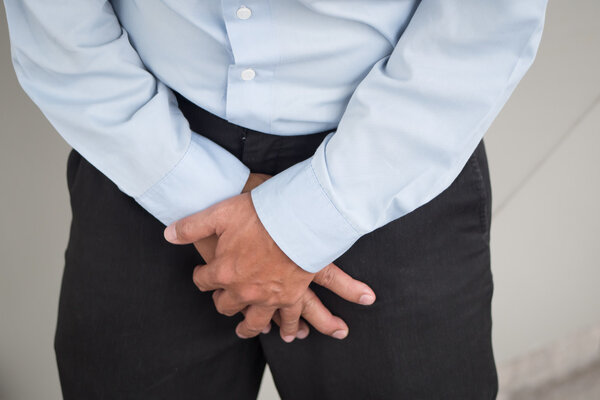
1. Difficulty Urinating
The prostate surrounds the urethra, so if there is a tumor in the prostate, it can interfere with urination. Difficulty urinating includes any form of frequent urination, urgency, or pain during urination. You might also experience an inability to urinate or even stopping midstream. When these symptoms occur, do not simply assume it's a urinary tract infection (although the symptoms are very similar), but take it seriously.
2. Blood in Urine
Be alert to blood in the urine at any time (except after eating red dragon fruit...)! Even if there is only a faint red sticky substance or a trace of blood in the urine, you should seek medical attention immediately. Blood in the urine is often a sign of bladder, prostate, kidney tumors, or kidney stones.
3. Blood in Semen
Diagnostic observations from prostate cancer patients reveal that even very small amounts of blood in semen can be a significant warning sign of prostate cancer. If you notice pinkish or reddish discoloration in your semen, do not ignore it—seek medical attention immediately.
4. Erectile Dysfunction
Frequent occurrences of erectile dysfunction may also be linked to prostate cancer. While erectile difficulties are most commonly caused by coronary atherosclerosis (where arterial plaque blocks blood flow to the penis), they can occasionally stem from prostate tumors. If erectile dysfunction persists for an extended period and impacts sexual well-being, a medical examination is essential.
5. Frequent nighttime urination
Some prostate cancer patients recall experiencing frequent nighttime urination due to urgency in the early stages. If you notice similar symptoms, seek medical attention promptly. However, don't panic—these signs are more likely indicative of overactive bladder syndrome.
6. Chronic constipation and indigestion
The prostate is located just below the bladder and in front of the rectum, so prostate tumors can also interfere with your digestive system. Chronic constipation can compress the gland, leading to tumor enlargement. Additionally, colorectal cancer may also be accompanied by issues such as constipation and indigestion.
7. Urinary Dribbling
Though sometimes awkward, you shouldn't ignore symptoms of urinary dribbling. If you find yourself spending long periods in the bathroom waiting for the last drops of urine to pass, it's best to see a doctor as soon as possible. Like frequent nighttime urination, urinary dribbling could be a sign of an overactive bladder. However, if it occurs alongside some of the other symptoms mentioned above, it's wise to get screened for prostate cancer.
2. What Bad Habits Might Increase the Risk of Prostate Cancer?

1. Excessive Alcohol Consumption
Alcohol not only damages the liver, increasing the prevalence of alcoholic fatty liver disease, but also dilates blood vessels, leading to congestion in organs such as the prostate. When the prostate remains congested and swollen for prolonged periods, it can trigger inflammation. Repeated inflammation increases the likelihood of cancerous changes.
Therefore, it is advisable to drink in moderation to avoid excessive alcohol consumption, which harms liver and prostate health and raises the risk of this disease.
2. Chronic Smoking
Long-term smoking can also affect prostate health. The tar, nicotine, tobacco alkaloids, nitrosamines, and other substances in tobacco not only directly damage prostate tissue but also interfere with vascular and neural control functions, impairing blood circulation in the prostate and increasing the risk of prostate cancer.
Therefore, to protect prostate health and reduce the chances of prostate cancer, it is essential to quit smoking and avoid the harmful substances in cigarettes that damage the prostate.
3. Poor Diet
An improper diet can also significantly increase the risk of triggering the disease. Research has found that men who frequently consume large amounts of red meat or high-fat dairy products have a much higher likelihood of developing the condition. Red meat contains high levels of saturated fat, and excessive intake not only greatly raises the risk of hyperlipidemia and fatty liver disease but also increases the chances of prostate cancer.
Therefore, it is recommended to maintain a balanced diet and reduce the intake of red meat and high-fat dairy products. Generally, each person should consume no more than 500 grams of red meat per week.
4. Unsafe Sexual Practices
Men with unclean sexual habits are prone to bacterial infections in the prostate, leading to inflammation. If left untreated and recurring, the inflammation can cause prostate cells to become cancerous, triggering the disease.
Therefore, it is recommended that men pay attention to hygiene and cleanliness after sexual activity to avoid bacterial infections and reduce the risk of developing the disease.
Additionally, some men engage in excessive sexual activity, which can keep the prostate in a prolonged state of congestion and swelling, increasing the risk of cancer. Therefore, men should practice moderation in sexual activity to protect their prostate health.
In addition, factors such as heredity and obesity can also trigger the disease. Generally, if a first-degree relative has the disease, the risk of developing it increases by more than double.