Can wearing a silver bracelet for a long time draw out toxins from the body? Why does the silver bracelet turn black? Here’s the truth.
Sayings like "silver needles can detect poison" and "silver bracelets can absorb toxins" are familiar to many, but do these claims have any scientific basis?
Initially skeptical people began to find this quite plausible after seeing some cases.
A woman noticed her silver bracelet turning black after a high fever...
Another mother observed her child's silver bracelet darkening, and a hospital checkup revealed symptoms of mercury poisoning. Fortunately, timely detection prevented significant harm.
These incidents sparked widespread discussion online, with many claiming the silver bracelets turned black by "drawing out toxins" from the body. But is this really true?
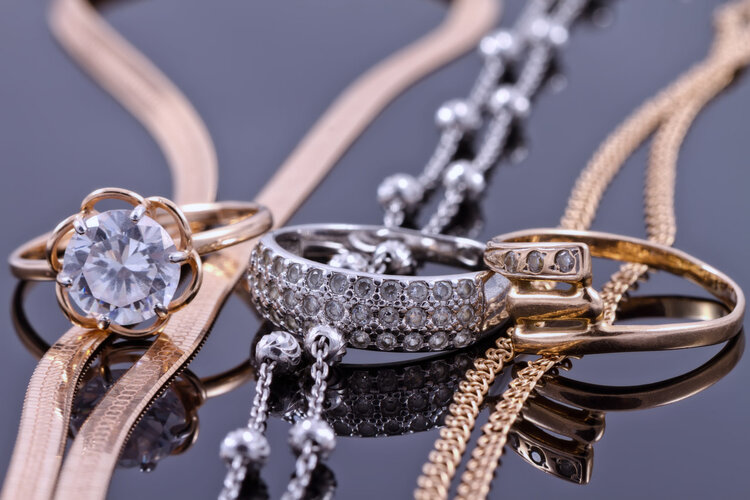
Does a tarnished silver bracelet mean it's drawing toxins from the body?
People who frequently wear silver jewelry often notice that over time, the originally shiny surface gradually turns black. Many attribute this phenomenon to the silver absorbing toxins from the body.
In reality, this claim lacks scientific basis. The tarnishing of long-worn silver jewelry is primarily related to two factors:
First, prolonged contact with human sweat plays a role. Our sweat contains various ions like chloride and sodium ions, which are excellent conductors of electricity. When silver jewelry simultaneously contacts sweat and air, it accelerates the oxidation reaction of the silver, leading to the formation of black tarnish;
Second, it is related to the chemical substance silver sulfide, and the formation of silver sulfide is also closely linked to sweat. The sulfur element in human proteins releases some sulfur ions through sweat, and these substances react with silver under oxidation in the air to form black iron sulfide, causing the bracelet to darken.
As for the claim that wearing silver jewelry helps detoxify the body, there is absolutely no scientific basis. Metabolic waste in the human body is processed by the kidneys and liver and then eliminated through sweat, urine, respiration, and bowel movements, with no connection to silver jewelry at all.
However, there are indeed some silver bracelets that don't darken even after prolonged wear, which may be due to two reasons.
First, manufacturers apply a silver protectant on the surface of the jewelry during production, protecting it from exposure to air and sweat.
Second, if the user sweats less frequently, has underdeveloped sweat glands, or prefers wearing rough-textured clothing, these factors inadvertently polish the silver jewelry, helping to prevent it from tarnishing.
After silver jewelry turns black, it can be cleaned with a specialized silver polishing cloth to restore its original color. Alternatively, toothpaste can be used for cleaning, though it has some corrosive properties and is not recommended for frequent use.
2. Do gold and silver jewelry emit radiation that can cause cancer when worn?
Many have heard the claim that "gold and silver jewelry both produce radioactive substances, and prolonged exposure can lead to cancer." But is there any truth to this?
The atomic number of gold is 79, and silver is 47. It is generally believed that only elements with atomic numbers above 83 are radioactive. Long-term exposure to such elements may pose health risks.
The isotopes of gold may indeed produce some radioactive substances, but these substances typically stabilize within about one year and do not pose a health threat.
Moreover, during processing, gold and silver manufacturers typically treat these materials to reduce their radioactivity. Gold and silver products produced by reputable manufacturers generally do not pose health risks, so there is no need for excessive concern.
3. Reminder: Try to Wear Less of These 4 Types of Jewelry—They're Too Harmful to Your Body
In daily life, the jewelry we truly need to be cautious about are actually these types. Wearing them for extended periods can pose significant health risks.
1. Rubber Seed Jewelry
These are essentially seeds from rubber trees, containing toxic substances like cyanide. Accidental ingestion can lead to poisoning. Particularly for households with children or pets, it is best to avoid purchasing them.
2、Abrus precatorius
The rosary pea contains abrin, a highly toxic protein. Inadvertent inhalation can easily trigger symptoms such as difficulty breathing, fever, nausea, and pulmonary edema. While intact rosary pea seeds are non-toxic, processing them may release the toxin, posing a health risk.
3. Walnut bead bracelet
Walnut bracelets are highly prone to mold, and the aflatoxin produced by mold is highly toxic. Prolonged exposure can lead to chronic poisoning in the body.
4. Imitation Jewelry
Some people opt to buy imitation jewelry to save money, but these accessories often contain excessive amounts of heavy metals like lead, nickel, and cadmium. Wearing them may lead to the leaching of these metals, which can negatively impact health.

Jewelry serves more as a decorative purpose for us, and it is not recommended to rely on wearing jewelry for health benefits. Additionally, it's important to be discerning in daily life to avoid purchasing jewelry that may pose health risks.