Drinking alcohol frequently but not excessively—is it good or bad for the body? What is the safe amount of alcohol consumption?
Around the beginning of last month, 68-year-old Uncle Xu began experiencing unexplained abdominal pain, and the pain came on intensely.
That day, Uncle Xu was in so much pain that he could barely walk and had to be taken to a top-tier hospital in a neighboring city with the help of his old friends.
When he arrived at the emergency room, Uncle Xu was already weak and pale, in very poor condition. After a series of examinations, the doctors preliminarily diagnosed him with bleeding caused by liver cancer rupture, a very critical situation.
He immediately underwent hepatic artery angiography and transcatheter arterial chemoembolization. After emergency treatment, Uncle Xu was finally out of danger, with his condition identified as "liver cancer rupture hemorrhage due to alcoholic cirrhosis."
It turned out that Uncle Xu had enjoyed drinking small amounts of alcohol since his youth, typically consuming about 2 taels of liquor with every meal—a habit he had maintained for over 40 years. Uncle Xu had always believed that "a little alcohol lifts the spirits and doesn’t harm the body." Little did he know this habit nearly cost him his life.

Drinking in moderation is healthier? Study of 4.8 million people shows increased mortality risk
"A little drink lifts the spirits, while excessive drinking harms the body" has become an excuse for many people to drink. They firmly believe that drinking small or moderate amounts is harmless and even beneficial... But does regularly drinking without overindulging truly offer benefits without any harm to the body?
Recently, a study published in JAMA Network Open on the impact of alcohol consumption on all-cause mortality sounded a warning bell for drinkers.
This research included 107 studies on alcohol use and all-cause mortality published between January 1980 and July 2021 in its meta-analysis, involving 4,838,825 participants and 425,564 death cases.
The study found that among participants aged 50 or younger with at least 10 years of follow-up, occasional and moderate drinkers had a significantly increased risk of death, while heavy and heavier drinkers had substantially higher risk estimates.
Researchers also found gender differences in all-cause mortality among drinkers, with significantly increased risks for women consuming 25 grams or more per day and men consuming 45 grams or more per day.

How does alcohol harm the human body? As a polar hydrophilic small molecule, ethanol quickly dissolves into the gastrointestinal tract, esophagus, and even the oral cavity after ingestion. The absorbed acetaldehyde travels through the bloodstream to the entire body, with 90% metabolized by the liver and only 2%-10% excreted through urine, sweat, and other means.
Ethanol breakdown in the liver requires two enzymes: cytoplasmic alcohol dehydrogenase and mitochondrial acetaldehyde dehydrogenase. The former oxidizes ethanol into acetaldehyde, while the latter converts acetaldehyde into acetic acid, which ultimately enters the bloodstream and reaches the brain, heart, and other organs.
When mitochondrial acetaldehyde dehydrogenase is deactivated, large amounts of acetaldehyde accumulate in the body. Acetaldehyde is 10 times more toxic than ethanol, causing DNA damage in hematopoietic stem cells, chromosomal rearrangements, and permanent changes to DNA sequences. This is why most cancers are associated with heavy or excessive drinking.
Since both moderate and heavy drinking are harmful, what is the safest amount of alcohol to consume?
A 2018 study published in *The Lancet*, involving 28 million people worldwide, concluded that there is no "safe level" of alcohol consumption—any amount of drinking has adverse health effects. The safest amount of alcohol is zero, recommending complete abstinence.

Second, if you experience these 2 symptoms after drinking alcohol, it's best to quit as soon as possible
After drinking alcohol, some people's complexion remains unchanged, while others turn red in the face, and may even experience headaches, nausea, allergic reactions, and other symptoms. What is the reason for this?
1. Facial flushing after drinking
There is an Asian term for facial flushing after drinking called "Asian flush syndrome," and the cause of this flushing is related to the ALDH2 gene in the human body, which is responsible for breaking down ethanol.
Mutations or deficiencies in the ALDH2 gene can significantly reduce the activity of the corresponding protease, preventing the metabolism of acetaldehyde in the body. This leads to the dilation of capillaries, resulting in skin flushing.

Is it just a simple matter of causing flushing? A study published in *Science Advances* also found that people prone to flushing due to ALDH2 deficiency face an increased risk of stomach cancer. Even small amounts of alcohol can further elevate their risk of developing gastric cancer.
In addition to digestive system cancers, for individuals with ALDH2 gene mutations or deficiencies, the risk of developing diabetes, coronary heart disease, ischemic stroke, Alzheimer's disease, and other conditions also increases.
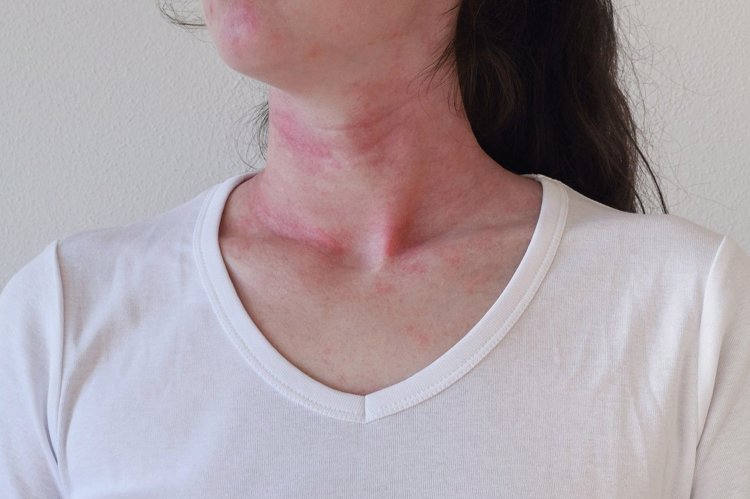
2. Trigger allergies, causing skin rashes
Alcohol can also cause allergies, manifesting as an immune response triggered by allergens and histamine release, which can lead to discomfort such as hives, rashes, and throat swelling in patients. In severe cases, it may even be life-threatening.
Three Chinese Groups Are More Prone to Alcohol-Related Cancer, Especially These Four Types
A study published in the journal Nature suggests that acetaldehyde, an intermediate metabolite of ethanol, causes significant mutations in hematopoietic stem cells. In mouse models, mice with defective aldehyde dehydrogenase genes exhibited four times more DNA mutations after alcohol consumption compared to the control group, along with a corresponding increase in cancer risk.
Another piece of evidence, a study published in *The Lancet*, found that East Asians have genetic variations in key alcohol metabolism enzymes, which reduce their ability to metabolize alcohol, making them more susceptible to harm even with moderate drinking.
Especially for the following groups of people, for health risk considerations, it's best to abstain from alcohol completely:
1. People with liver disease
Alcoholic fatty liver, mostly caused by simple alcoholic fatty degeneration, can be relieved through abstinence in treatment. Patients with alcoholic hepatitis should also focus on quitting alcohol while supplementing nutrients such as protein and vitamin B complex to mitigate alcohol toxicity reactions.
2. Cancer patients
After a cancer diagnosis, patients must avoid certain foods, quit smoking, and abstain from alcohol. Consuming a large amount of alcohol at once may lead to tumor spread. Even drinking a small amount daily increases the risk of cancer recurrence.
Therefore, whether cancer patients consume alcohol in large or small amounts, it may lead to tumor recurrence or spread.
3. People whose faces turn red when drinking
Facial flushing when drinking is a sign of abnormal metabolism. In such individuals, acetaldehyde accumulates in the body due to the inability to break it down, causing the face to turn red. Due to genetic deficiencies, carcinogens also accumulate more in these individuals, making them more prone to cancer.
4. Diabetic patients
After drinking, blood sugar tends to drop. Diabetics already have poor blood sugar control, especially when drinking on an empty stomach, which can lead to rapid blood sugar decline, triggering hypoglycemia. This may cause sweating, coma, or even irreversible central nervous system damage, potentially resulting in increased intracranial pressure and death.

The pleasure brought by alcohol is fleeting, but the "wounds" it leaves are difficult to heal. Those who are inherently unfit for drinking should be especially cautious—otherwise, they will suffer the consequences and regret it bitterly.