Pancreatic Cancer: From Diagnosis to Death in Just 3 Months! These 5 Symptoms Could Be Your Pancreas "Crying for Help"
Old Li is 59 years old. In the middle of last year, he noticed that his stool was unusually pale in color and often coated with something resembling grease. This phenomenon became particularly noticeable whenever he ate even a little oily food.
In addition to abnormal stool shape, his bowel movements became increasingly frequent, sometimes even reaching 3-4 times a day. But initially he didn't take it too seriously, attributing it to indigestion.
Since last December, he had occasional abdominal pain, which became more frequent and severe over time. Eventually, Lao Li had to go to the hospital where pain levels increased in frequency and intensity.
Tests revealed pancreatic cancer, already advanced stage precluding surgery.His condition deteriorated after diagnosis and three months later he passed away unfortunately.

What explains pancreatic cancer cases rising occurrence why incidence rates increasing nowadays?
Pancreatic cancer, often referred to as the "king of cancers," is located deep in the abdomen, with a hidden onset and difficult diagnosis. This leads many patients to be diagnosed at an advanced stage, missing the opportunity for surgical treatment.
Data shows that the annual incidence rate of pancreatic cancer in China is 4.29 per 100,000 people, a significant increase compared to 15 years ago, and this number continues to rise.
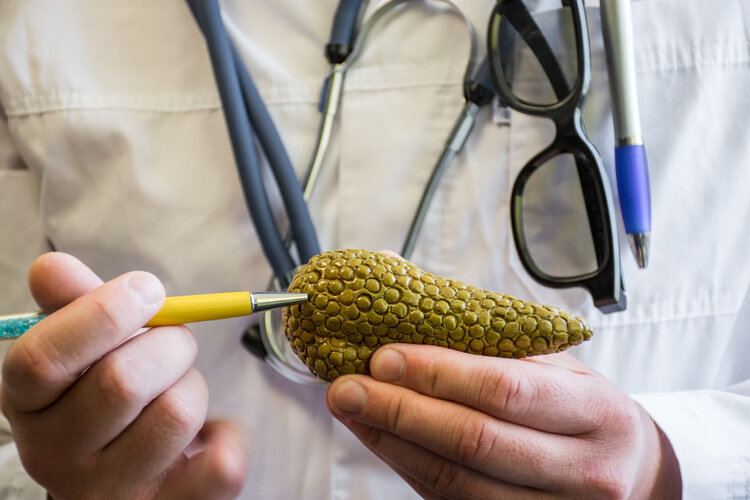
Pancreatic cancer occurs when pancreatic cells grow uncontrollably, forming malignant cell clusters that develop into tumors, impairing the normal function of the pancreas.
What factors are related to the occurrence of pancreatic cancer?
A study published in the authoritative journal *Digestive Medicine* suggests that the occurrence of pancreatic cancer is associated with the following factors.
First is genetics. Data shows that about 10% of pancreatic cancer patients have a family history of the disease. In particular, patients with familial atypical multiple mole melanoma syndrome or Peutz-Jeghers syndrome face a higher risk of developing pancreatic cancer.
Secondly, patients who have had diabetes for over 3 years face a 1.5 to 2.4 times higher risk of developing pancreatic cancer compared to the general population. If chronic pancreatitis remains untreated for an extended period, the likelihood of progression to pancreatic cancer also increases significantly.
Additionally, individuals with unhealthy lifestyle habits also face an increased risk of pancreatic cancer
One is smokers and drinkers. Smoking increases the risk of pancreatic cancer by 21%, while alcohol consumption raises the risk by 1.6 times. Both tobacco and alcohol are known carcinogens, and long-term exposure increases the risk of various cancers, including pancreatic cancer.
The second group is obese individuals. Those with a BMI (Body Mass Index) greater than 30 have a significantly increased risk of developing pancreatic cancer.

2. 5 Warning Signs That May Indicate Pancreatic Distress
When pancreatic cancer strikes, the body sends out some abnormal warning signals, but these signals are easily overlooked.
The pancreas is located deep within the peritoneum and is small in size, adjacent to other organs. When cancer develops, it can easily affect surrounding organs, leading to atypical symptoms. This significantly increases the likelihood of misdiagnosis or missed diagnosis, often causing patients to miss the optimal treatment window.
When these symptoms appear, it is crucial to take them seriously immediately.
1. Abnormal stools
Pancreatic cancer can cause exocrine dysfunction, leading to poor digestion after consuming high-fat foods. Undigested food residues may appear in the stool, often accompanied by greasy deposits.
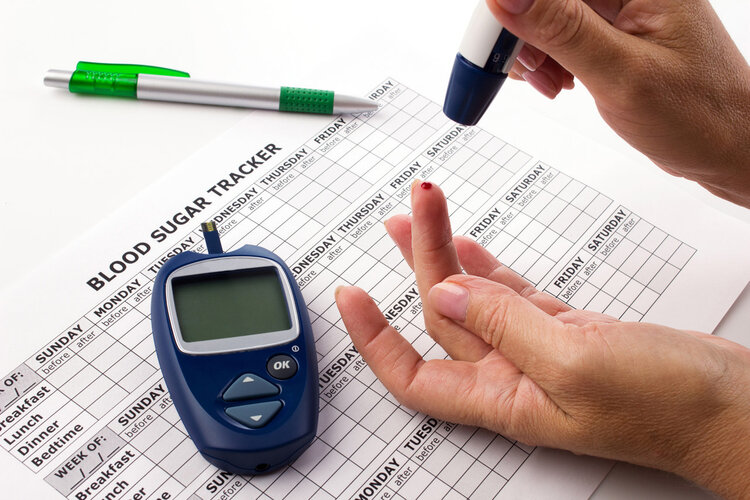
2. Abnormal blood sugar levels
Diabetic patients experiencing abnormal blood sugar fluctuations that persist despite medication. Or individuals without a history of diabetes suddenly developing the condition should also be wary of pancreatic cancer.
3. Abnormal jaundice occurs
Jaundice often occurs when a pancreatic head mass blocks the common bile duct. Along with jaundice, symptoms such as itchy skin and darkening of urine may also appear.
4. Upper abdominal pain
When the lesion is located in the pancreatic tail or body, it can cause abnormal pain in the upper abdomen, around the navel, or in the right upper abdomen. The pain may be intermittent or persistent, manifesting as colic or progressively worsening pain that may radiate to the back.
5. Progressive weight loss
Without deliberate efforts to lose weight, rapid weight loss exceeding 10% in a short period should raise high suspicion of cancer.
When noticing any of the above abnormalities, it is crucial to promptly seek medical attention for abdominal CT scans, serum tumor marker tests, and other examinations. These tests can help identify the cause and guide targeted treatment.
3. These 4 types of people are more prone to pancreatic cancer—take preventive measures
Did you know? The occurrence of pancreatic cancer tends to favor certain groups, and these individuals need to be especially vigilant.
Those who are overweight or obese, patients with chronic pancreatitis, individuals infected with Helicobacter pylori, and those with a family history of pancreatic cancer are advised to undergo annual pancreatic CT or MRI screenings.
To prevent pancreatic cancer, it is essential to make changes in daily lifestyle habits.
1. Quit smoking and limit alcohol consumption
Smoking and drinking individuals should quit as early as possible, as long-term intake of tobacco and alcohol significantly increases the risk of pancreatic cancer and other cancers, which is extremely detrimental to health.

2. Maintain a regular lifestyle
Maintain a good daily routine by going to bed early and waking up early, aiming for 7 to 8 hours of sleep each day, and avoid staying up late.
3. Emotional Stability
A positive emotional state helps maintain internal bodily stability, improves immunity and organ functions, and can aid in disease prevention.
4. Healthy Diet
Long-term consumption of spicy, irritating, and strongly flavored foods increases the risk of various diseases, including pancreatic cancer. Daily diet should primarily consist of light foods, with more fresh fruits and vegetables.

Pancreatic cancer has an extremely high fatality rate. For ordinary people, it is crucial to take preventive measures as much as possible and stay vigilant about physical symptoms, seeking medical attention promptly if any abnormalities are detected.