What Exercises Should Hypertensive Patients Avoid? Everything You Need to Know About Hypertension and Exercise
High blood pressure may not sound frightening, but if not managed properly, it can lead to serious consequences.
Doctors often say, "Watch your mouth and move your legs," but this raises the question: Can people with high blood pressure exercise? What types of exercise are suitable? And which exercises should be avoided at all costs? This article will clear up these questions.
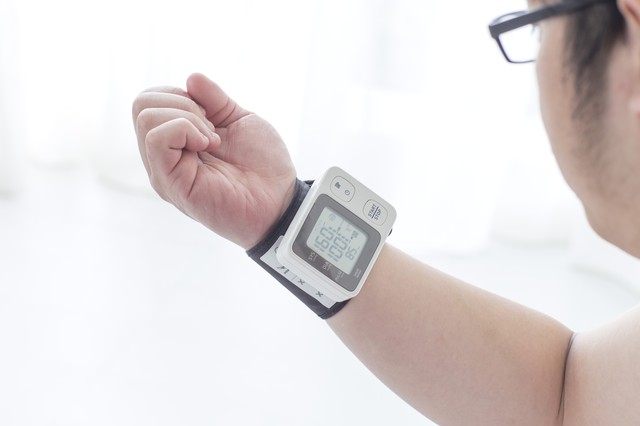
I. Can Hypertensive Patients Exercise? Not Just "Can," But "Must"
Many people immediately think, "I need to rest more and avoid exertion" upon hearing the term "high blood pressure." In fact, the opposite is true.
Scientific research has long concluded that moderate and regular exercise is the "top non-drug therapy" for controlling high blood pressure. The National Health Commission's *Guidelines for Grassroots Management of Hypertension (2023 Edition)* clearly states: Exercise intervention can effectively help reduce systolic blood pressure by about 10mmHg, with effects comparable to mild antihypertensive medications.
The real key isn't "whether you can exercise," but "how to exercise properly."
Key point: People with high blood pressure can exercise; they just shouldn't exercise recklessly.

II. These Types of Exercises Are Safe and Recommended for Hypertensive Patients
Choosing the right exercise is like picking clothes—the most important thing is finding the right fit. For those with high blood pressure, moderate-to-low-intensity, rhythmic, and sustainable aerobic activities are best. In simple terms, it should be: breathable (not gasping for air), sweat-inducing, and something you can stick with.
1. Brisk walking: The simplest yet most reliable option
Don’t underestimate brisk walking—it brings health benefits if you stick with it. Aim for about 30 minutes a day, more than 5 times a week, with "moderate speed" being key—faster than a stroll but not so fast that you're out of breath.
2. Jogging: It's not about who's faster, but who's steadier
The "slow" in jogging is protection for your heart. It is recommended to choose soft tracks or park paths to avoid hard surfaces that put excessive strain on the knees. Warm-up before and stretching after jogging are essential.

3. Swimming: A water-based exercise that reduces stress without compromising effectiveness.
The buoyancy of water can reduce joint pressure and is also very helpful for improving cardiopulmonary endurance. However, safety is crucial, and it is not advisable to swim alone until blood pressure is under stable control. Consulting a doctor beforehand is essential.
4. Tai Chi and Ba Duan Jin: Movement with Stillness, Stillness with Strength
These traditional exercises feature slow rhythms and synchronized breathing, making them especially suitable for middle-aged and elderly individuals with high blood pressure. Research shows that Tai Chi can reduce blood pressure by an average of 6~9 mmHg and also helps alleviate psychological stress.
Tip: Measure your blood pressure before and after exercise and keep a record for long-term observation to ensure peace of mind.
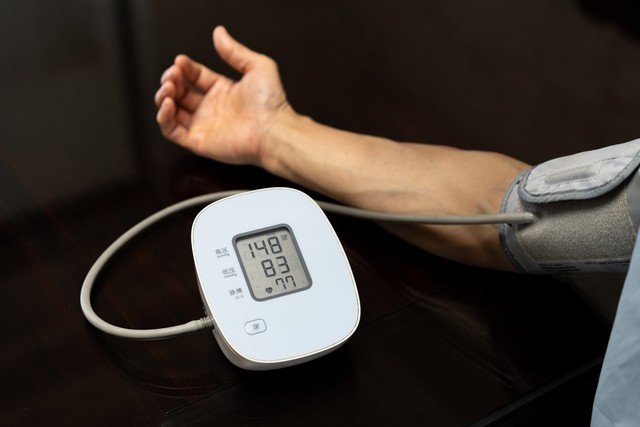
3. Don't act recklessly! These types of exercises should be avoided by people with high blood pressure
Not all exercises are suitable for people with high blood pressure. Some activities that appear to "burn fat quickly" or are "highly efficient" can actually put significant strain on blood vessels.
1. High-Intensity Interval Training (HIIT)
The so-called "sweat-inducing magic" in gyms can be a "minefield" for those with high blood pressure. It causes a rapid spike in heart rate, potentially triggering angina or stroke, making it a "no-go zone" for hypertension patients.
2. Breath-holding exercises like weightlifting and push-ups
Such exercises are prone to causing the "Valsalva effect." Simply put, it involves holding your breath while exerting force, which leads to a sharp rise in blood pressure. In mild cases, it can cause dizziness; in severe cases, it may trigger cerebral hemorrhage.
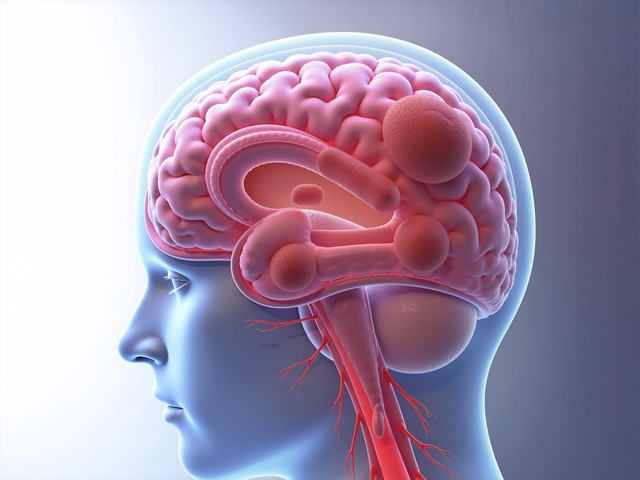
3. Prolonged intense mountain climbing
At high altitudes with low oxygen levels, blood pressure is already prone to fluctuations. Coupled with continuous uphill climbs, this poses a challenge to both the heart and blood vessels.
4. Highly competitive sports
Sports like basketball, soccer, and badminton involve unpredictable rhythms and intense emotional swings during play, which can easily lead to "overexcitement"—and the same goes for blood pressure.
"Any exercise that involves sudden bursts of intense effort is unsuitable for those with high blood pressure."

4. How to Exercise Properly? Follow This "Hypertension Exercise Prescription"
Exercise is beneficial for hypertension, but improper methods may backfire. To train healthily, scientific approaches must be followed.
1. Exercise frequency – Start with 5 sessions a week. Aim for at least 5 days per week, with each session lasting over 30 minutes. It can be done in segments—for example, 15 minutes in the morning and another 15 minutes in the evening—which is also effective.
2. Exercise Intensity – A pace that makes you "slightly sweat and able to talk" is just right. Don’t rely on feelings—use the "talk test"—if you can speak comfortably but can’t sing during exercise, the intensity is appropriate.
3. Exercise Timing – Avoid exercising on an empty stomach or immediately after meals. The best time is 1 hour after eating. Exercising on an empty stomach may lead to low blood sugar, while exercising right after a meal can disrupt digestion.

4. Before and After Exercise – Monitoring Blood Pressure, Warming Up, and Stretching Are All Essential. If your blood pressure exceeds 180/110mmHg before exercise, it’s advisable to pause the activity. Stretching for 5–10 minutes afterward helps reduce vascular tension and prevents sudden blood pressure fluctuations due to abrupt stops.
Don't find it troublesome—the more standardized you are, the better your body performs.
V. Exercise should also be "personalized"—one routine doesn't fit all.
Each person's physical condition varies, so exercise methods should be "tailor-made." For example:
Mild hypertension (140–159/90–99mmHg): You can transition from brisk walking to light jogging.
Moderate hypertension (160–179/100–109 mmHg): Recommended activities mainly include brisk walking and tai chi;
Severe hypertension (≥180/110 mmHg): Exercise should not be performed alone and must be conducted under medical supervision.

Additionally, the timing of exercise during medication requires careful consideration. Some antihypertensive medications, such as beta-blockers, can interfere with heart rate perception, potentially creating a "false normal" during exercise when exertion is actually excessive. Extra caution is necessary in such cases.
It's recommended to have regular check-ups and work with your doctor to create a personalized exercise plan.
Conclusion: High blood pressure isn't scary—the key is moving correctly.
High blood pressure isn't a terminal illness, but it won't "get better on its own" either. Exercise is one of the most routine, cost-effective, and effective "medicines" for lowering blood pressure. But just as medicine must be taken correctly, exercise must be done right. Reject blind imitation and "unorthodox methods"—listening to your body is the way to go further and steadier.
True health isn't found in hospitals but in your daily steps.