Do you need major supplements and must avoid exercise after donating blood? The truth is all here!
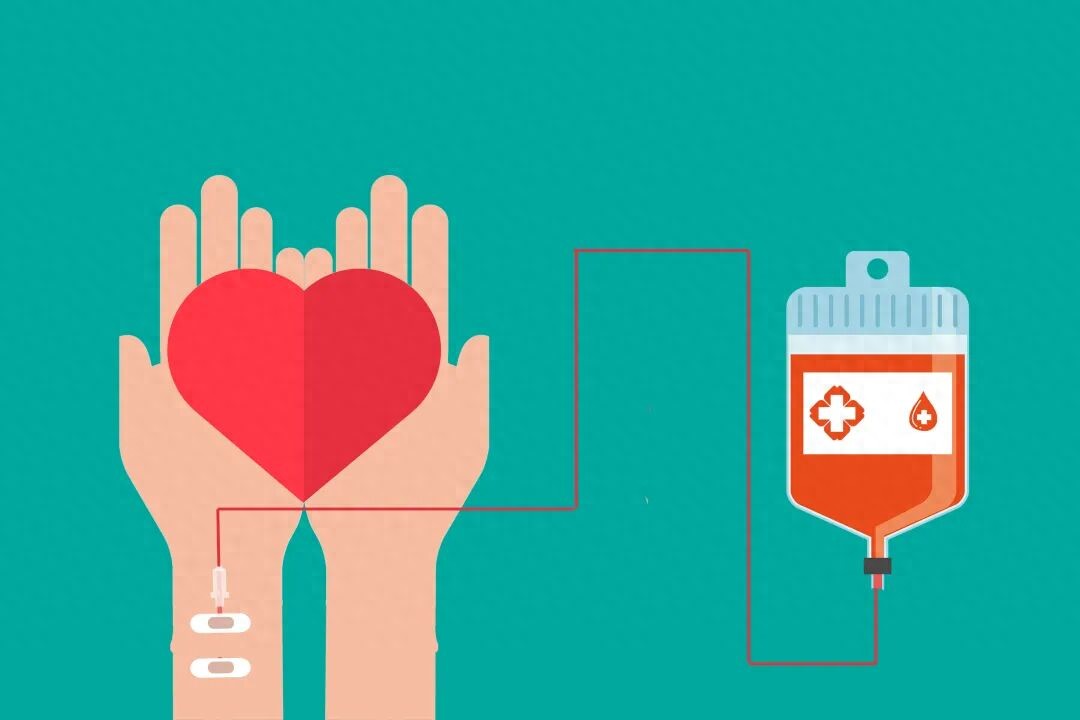
Rumor 1: You need heavy, special nourishment after donating blood
The truth
After donating blood, simply continue a normal, balanced diet; the body will naturally regulate itself and gradually replenish the lost blood.
Of course, after donating blood, on top of a normal diet you can appropriately increase intake of foods rich in iron, protein, and vitamins—such as beef, lean meat, pork liver, and spinach—to further promote restoration of the body's blood balance. If you immediately engage in binge eating or excessive supplementation after donating, it can instead burden the digestive system and may be counterproductive.
Myth 2: You can't exercise after donating blood
After donating blood, the body needs a certain amount of time to recover; generally recovery takes about 48 hours, though for some people it may take a little longer.
During the recovery period, you should avoid strenuous exercise and heavy physical labor, but you can do appropriate light exercise, such as walking or jogging, which helps promote blood circulation and body recovery.
Rumor 3: You cannot bathe after donating blood
After donating blood, the puncture site will have a needle hole; until it fully heals, the area needs to be kept clean and dry to avoid infection. But this does not mean you cannot take a shower.
As long as you protect the puncture site and avoid getting it wet, you can shower after donating blood. For example, some blood banks put a waterproof bandage over the puncture site after collection, so donors can shower without affecting the site and can bathe normally.
Of course, you should still be especially careful after donating: try to choose a shower and keep the bathing time short. After 24–48 hours, the puncture site can reach full closure, and you can bathe normally then.
Myth 4: You can’t drink alcohol after donating blood
The Truth
After donating blood, the body needs time to replenish blood, and during the recovery period you should indeed avoid drinking alcohol.
Because alcohol is mainly metabolized in the liver, and the body’s replenishment of blood also relies heavily on the liver’s hematopoietic function, drinking at this time may affect the liver’s normal work, delay the blood recovery process, and cause potential harm to the body. Only after the recovery period ends can you resume moderate drinking.