Eyes itchy, red and swollen... Master the three principles "avoid, prevent, treat" to deal with allergic conjunctivitis
With allergy season arriving, many children are often "teary-eyed," with red, swollen eyes and unbearable itching—this may be allergic conjunctivitis at work.
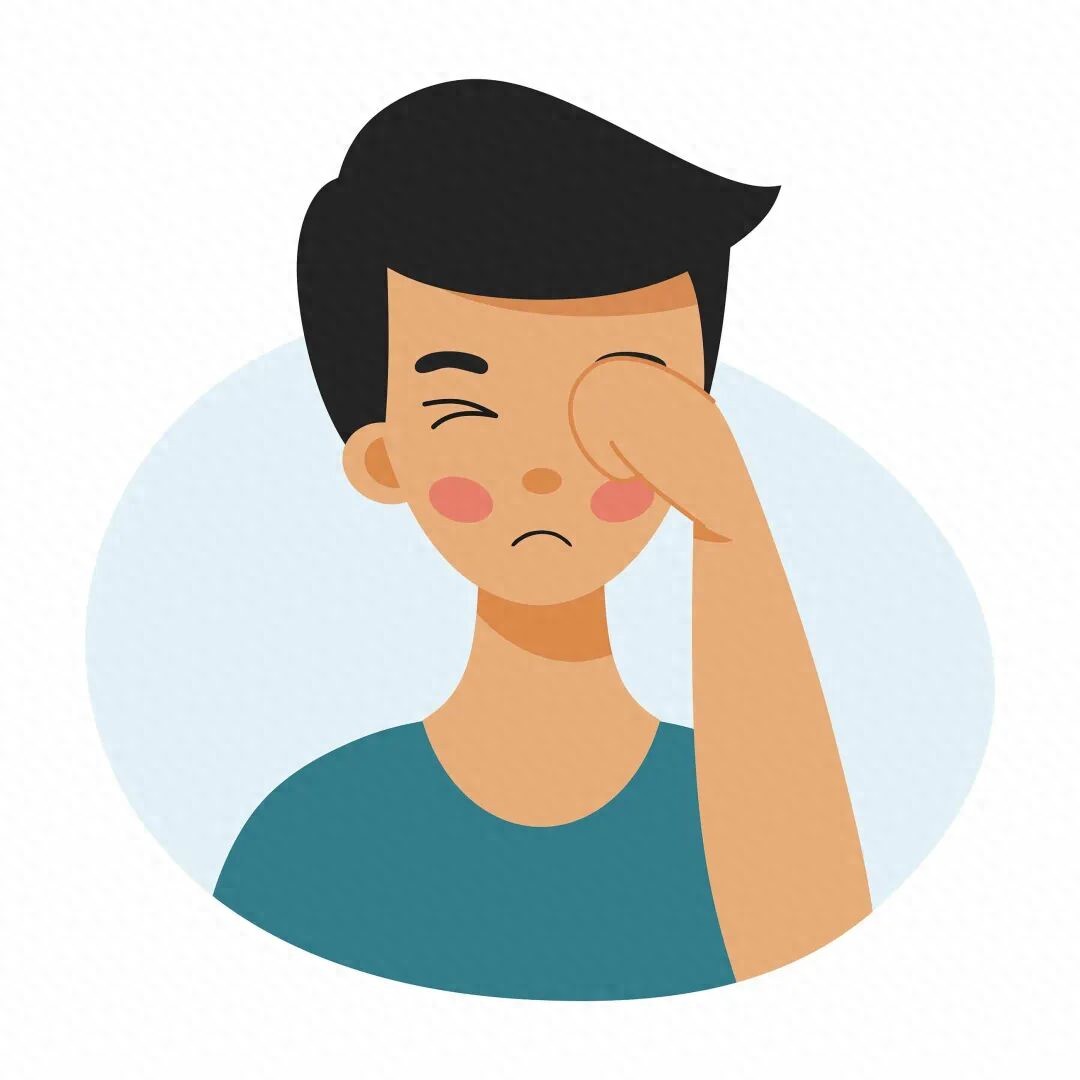
Recognizing typical symptoms
In simple terms, allergic conjunctivitis is when the conjunctival tissue of the eye mounts an excessive immune response to certain allergens, such as pollen or dust mites, causing a series of uncomfortable symptoms. Its main symptoms include the following points.
Itchy eyes, which can sometimes be unbearably itchy. This is a typical symptom of allergic conjunctivitis. Children may wipe their eyes frequently and uncontrollably, sometimes making the itching worse and creating a vicious cycle.
Red eyes, with conjunctival hyperemia (the white part of the eye) filled with red blood vessels.
Tearing and a burning sensation. A foreign-body sensation in the eye, with large amounts of watery or mucous-stringy tears.
Swelling of the eyelids; in severe cases, the upper and lower lids can become swollen as if the person has been crying.
Which children are more likely to be "affected"
Children with allergic constitutions. This is the core factor. If a child already has a history of allergic rhinitis, asthma, atopic dermatitis (eczema), or similar conditions, their likelihood of developing allergic conjunctivitis increases greatly.
Children with a family history of allergies. Allergies have a clear hereditary tendency. If one or both parents have an allergic constitution, the child's risk of being "favored" by allergies is significantly increased.
Exposure to allergens in the living environment Children who live long-term in environments with high pollen concentrations, high humidity and dust (where dust mites breed), or with pets (pet dander) have more opportunities to encounter allergens and are more likely to develop the condition.
Clearing up two major misconceptions
If there is no history of allergies, does that mean you won't be allergic?
Not necessarily! This is a common misconception. Allergies can occur at any age, including in people who have never had a history of allergies. Behind this is a medical concept called sensitization. The development of an allergy requires three steps.
Sensitization phase: When the body first encounters a certain allergen (such as pollen), the immune system recognizes and remembers it, but no symptoms appear at this time. This process can last a long time, even for years.
Elicitation phase: When the body encounters the same allergen again, the sensitized immune system immediately sounds the alarm and releases inflammatory substances like histamine, thereby triggering allergic symptoms such as itching and redness.
Delayed reaction: Some allergic responses (such as asthma and eczema) worsen again several hours after the acute symptoms and are called delayed reactions.
Therefore, some children may show no reaction to pollen when they are young, but due to long-term exposure, their bodies unknowingly complete the sensitization process, and then in a certain spring or autumn the immune system suddenly “catches on” and mounts an attack against the pollen, causing allergic conjunctivitis to appear for the first time. Environmental changes, stress, infections, and other factors can also lower the threshold for allergic attacks.
If you have a history of allergies, will they flare up again during allergy season?
Very likely! One feature of allergic conjunctivitis is that it easily recurs. If a child has been diagnosed with allergic conjunctivitis before, it means their immune system has already formed a memory of that allergen — they have been sensitized. Whenever the same allergy season arrives (such as pollen in spring and autumn), or they are exposed again to the same allergen (such as household dust mites), the immune system can be reactivated and cause symptoms to return.
Allergy is like an "old rival" that comes knocking at the same time every year. Therefore, for children with a history of allergies and their parents, early prevention and proper treatment are especially important; one should not rely on the wishful thinking that "if we get through the allergy season it's fine."

Guidelines for Prevention and Treatment in Children and Adolescents
Step 1: Prevention is better than cure — avoiding allergens is key
If conditions allow, parents can take their child to the hospital for allergen testing, such as skin prick tests or serum-specific IgE testing, to identify the “enemy.”
During pollen season, reduce outdoor activities, especially on windy days; wear tightly sealed goggles and masks when going out. Regularly wash sheets, duvet covers, and curtains, and use anti-mite products; keep indoor spaces ventilated and dry to reduce dust mites and mold; during allergy outbreaks, an air purifier can be used indoors.
For individuals, wash hands and face immediately after returning home, change clothes, and even rinse the nasal cavity to remove pollen from the body. Be sure not to rub your eyes with your hands, as this will only worsen eye irritation and itching.
Step 2: Seek timely, proper treatment and avoid misuse of medications
If the child already shows related symptoms, parents should take the child to see a doctor promptly so an ophthalmologist can develop a treatment plan. Parents must not buy steroid eye drops on their own to give to the child, as this can cause serious complications such as glaucoma and cataracts.
1. Basic treatment: physical cooling and rinsing
Cold compress Wrap an ice pack in a towel and apply to both eyes for 10–15 minutes each time. Cold compresses constrict blood vessels and effectively reduce itching and swelling.
Use artificial tears Using preservative-free artificial tears can rinse allergens from the ocular surface, lubricate the eyes, and relieve dryness and discomfort.
2. Drug treatment: use under a doctor's guidance
Antihistamines such as olopatadine and emedastine eye drops can quickly stop itching and reduce congestion; they act fast and are used to control symptoms in the acute phase.
Mast cell stabilizers such as sodium cromoglicate and pemirolast potassium eye drops. These drugs act relatively slowly and are mainly used for prevention. It is recommended to start using them 1–2 weeks before the allergy season to stabilize cells and prevent allergic attacks.
Dual-action drugs (preferred) such as olopatadine and ketotifen eye drops, which have both antihistamine and mast cell–stabilizing effects. They act quickly and also provide long-lasting prevention, making them the current first-line choice for medication treatment.
Nonsteroidal anti-inflammatory drugs such as diclofenac sodium eye drops can relieve mild to moderate inflammation and discomfort.
Glucocorticoids such as fluorometholone and tobramycin–dexamethasone eye drops are "powerful weapons" that must be used short-term under strict medical supervision for treating severe, acute allergic reactions. There is a high risk of misuse if used without guidance.
Oral antihistamines For children who also have allergic rhinitis, skin, or other symptoms, doctors may recommend combined use of oral loratadine, cetirizine, and other medications.
Allergic conjunctivitis is a common annoyance on a child’s path of growth. Recognizing its true nature and mastering the three principles of "avoid, prevent, treat" can help children get through each allergy season smoothly, allowing them to experience the world's beauty with clear, bright eyes.