Drinking more water prevents autumn dryness... true or false?
Not necessarily
The claim that "drinking more water can prevent autumn dryness" is not entirely correct. The core reason dryness injures the body is "insufficient body fluids" (jinye xu). In Traditional Chinese Medicine, "jinye" refers to the fluids generated from food and drink through the spleen and stomach's processing; it is a general term for all normal body fluids, widely distributed throughout the body, including water, saliva, gastric juice, synovial fluid, and so on.
On one hand, drinking water is an important basic measure to prevent autumn dryness and to replenish fluids; timely and appropriate hydration can provide the essential material needed to produce jinye and can temporarily relieve dryness symptoms caused by "insufficient fluids," such as dry mouth and thirst, but it does not address the fundamental problem. According to TCM, body fluids must be processed and transported by the spleen and stomach (the stomach ripens and rot the fluids, the spleen absorbs and transforms them), then rely on the lung's dispersing and descending function (to distribute fluids to the body surface and orifices) and the kidney's transforming and vaporizing function (to regulate fluid metabolism) before they can become the true nourishing "jinye" that moistens the whole body.
If the spleen and stomach are weak (for example, autumn chill injures the spleen leading to impaired transport and transformation), the lung is dry and fails to disseminate (dryness injures the lung causing impaired distribution of body fluids), or the kidneys lack yin (yin deficiency generates dryness so there’s no source for fluid production), then even if one consumes an adequate amount of water it is difficult to convert it into effective body fluids; it may even lead to accumulation of damp turbidity because fluid metabolism is disrupted. Moreover, autumn dryness is not only “insufficient body fluids” but is often accompanied by cough and nasal itching caused by dryness injuring the lung, or by skin dryness and hard stools caused by yin-deficiency heat. These cannot be relieved by drinking water alone and need to be addressed by regulating organ function and nourishing yin to moisten dryness.
On the other hand, Chinese medicine prevents autumn dryness by following the principle of “nourish yin, moisten the lungs; generate fluids, relieve dryness,” which can be done through diet and TCM treatments. In terms of diet, it is recommended to choose foods that nourish yin, moisten the lungs, and generate fluids; for treatments, it is recommended to massage two acupoints, rubbing each for 1–2 minutes daily until a sour, distending sensation is felt. One is Zhongfu (LU-1); rubbing it can clear the lung meridian and relieve sore throat, cough and similar discomforts. The other is Zhaohai (KI-6); as an important point on the kidney channel, massaging it can nourish yin and moisten dryness, helping to improve dry mouth symptoms.
Can’t tell if it’s true or false?
Message me in the comments and I’ll ask an expert for you!
Debunking
Hardcore fact-checking Using ♥ to debunk
Don't listen, don't believe, don't spread rumors
Follow the collection [Rumor Busters]
Learn one more piece of knowledge
——How to drink water correctly?
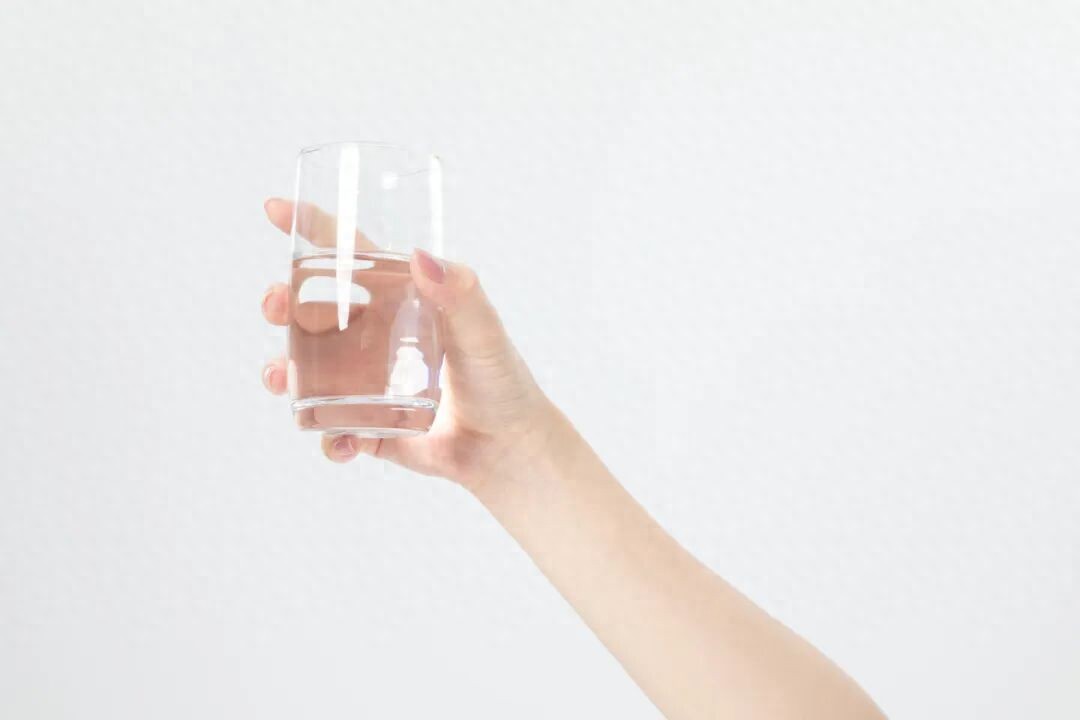
The correct way to replenish fluids is "small amounts, multiple times, drink warm water"; the specific requirements are as follows:
Small amounts: each drinking session should not exceed 200 milliliters, avoiding large single intakes that increase the body's burden.
Multiple times: The interval between drinks is generally 1–2 hours. There is no need to blindly follow a fixed frequency; instead, adjust flexibly according to your level of physical activity, the climate you are in, or whether you have any illnesses.
Warm water: It is recommended to choose warm water at 35–40°C. This temperature better matches human physiological needs, is less irritating to the gastrointestinal tract, and is more conducive to the body's absorption.