Caring for Oral Health Starts with a Proper Diet
Diet and oral health are closely intertwined, and oral health is linked in many ways with chronic diseases such as obesity, diabetes, and cardiovascular and cerebrovascular diseases. Today we will clarify balanced eating and protecting teeth by reducing sugar.
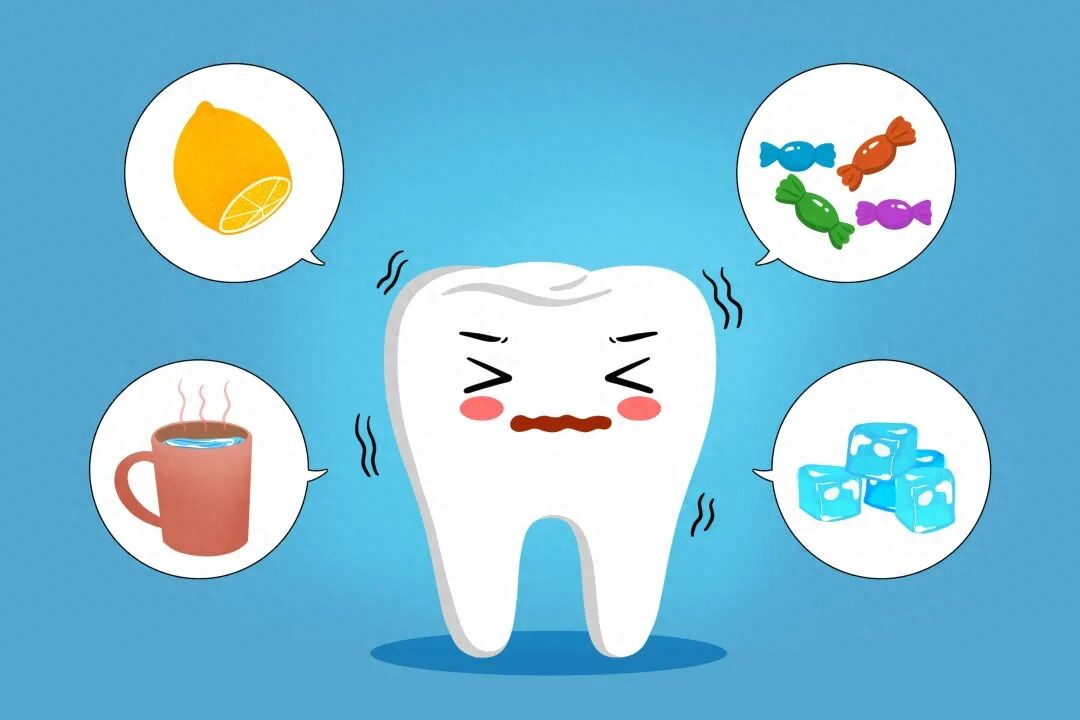
Poor Eating Habits
The “Hidden Threat” to Oral Health
Eating too much free sugar. Sugars fall into two broad categories: “friendly” non-free sugars and “dangerous” free sugars. Non-free sugars are those naturally present in fruits and vegetables, lactose in dairy, and starches in grains and tubers. These sugars are bound with dietary fiber, protein, etc., are digested and absorbed more slowly by the body, are not directly used by oral bacteria, and have less impact on health. Free sugars refer to sucrose, glucose, fructose, and syrups added to processed foods, as well as sugars naturally present in fruit juices, honey, and syrups.
Once free sugars enter the mouth, they act like “energy bombs,” ravenously consumed by bacteria, which break them down and produce large amounts of acidic substances, quickly lowering the oral pH below the critical value of 5.5. This leads to enamel dissolution and demineralization, allowing cariogenic bacteria to invade and cause cavities.
In the development of tooth decay, sugar, acid, bacteria, and the duration of their action are all key factors. Frequent eating only makes matters worse, leaving teeth exposed to danger for long periods. Moreover, free sugars are high in energy but lack nutrients; they are rapidly absorbed by the body and can cause sharp blood sugar fluctuations. Long-term excessive intake of free sugars increases the risk of chronic diseases such as obesity, dyslipidemia, diabetes, and hypertension.
The "Chinese Dietary Guidelines (2022)" recommend that adults and children over 4 years old should keep their daily intake of free sugars below 50 grams, preferably under 25 grams. Do the math: our daily "sweet quota" is only one cup of milk tea, one bottle of cola, or two glasses of fresh juice.
Long-term, heavy consumption of acidic foods Long-term, heavy consumption of citrus fruits, carbonated drinks, juices, vinegar and other acidic foods can directly cause demineralization of tooth enamel, making it rough, sensitive, and even losing its luster. Especially for many inherently tart drinks or foods, manufacturers add large amounts of sugar to improve taste, which delivers a double blow to enamel and can eventually lead to dental erosion or cavities.
Drinking alcohol and chewing betel nut Alcohol irritates the oral mucosa, weakens its barrier function, and promotes the growth of harmful bacteria, increasing the risk of periodontitis; its metabolite acetaldehyde more directly damages cellular DNA and acts as a "catalyst" for oral cancer. Betel nut fibers are coarse and chewing causes continuous mechanical irritation to the oral mucosa; the alkaloids it contains, such as arecoline, also directly damage cellular DNA and induce apoptosis, triggering chronic inflammation and fibrosis, and synergize with alcohol to raise the risk of oral cancer.
A balanced diet
The "Nutritional Shield" for Oral Health
"Clean teeth, no cavities, no pain, normal gum color, no bleeding" is the World Health Organization's standard for oral health. Achieving these goals depends on the support of scientifically sound dietary habits.
Calcium, Phosphorus, Fluoride, and Vitamin D: the "Reinforced Concrete" of Teeth
The main component of tooth enamel is hydroxyapatite, whose hardness depends on adequate minerals like calcium and phosphorus. Fluoride can react with hydroxyapatite to form a more stable, harder fluoroapatite, which both significantly increases enamel resistance to acids and helps teeth take up calcium and phosphorus from saliva; vitamin D acts as the transporter of calcium and phosphorus, promoting their intestinal absorption and working together to speed the repair and remineralization of damaged enamel. Dairy products are rich in calcium; fish and similar foods are rich in phosphorus; tea and similar foods are good sources of fluoride; oily sea fish are rich in vitamin D.
Dietary fiber: the natural "oral cleaner"
Whole grains and mixed grains, bamboo shoots and broccoli and other vegetables, fruits like apples and bananas, and high-fiber foods such as legumes act like a "natural toothbrush" when chewed, rubbing the tooth surfaces to remove food debris and plaque, reducing the risk of caries and periodontal disease. At the same time, they stimulate saliva secretion by increasing the number of chews, neutralizing the oral acidic environment.
Vitamins A, etc.: the "nutritional guardians" of oral health
Vitamin A, B vitamins and vitamin C work together to resist periodontal disease and oral mucosal diseases by maintaining the mucosal barrier, promoting tissue repair, and regulating immune function.
Vitamin A promotes normal differentiation and proliferation of oral mucosal and periodontal epithelial cells, enhancing the integrity of the mucosa and its ability to resist external irritants; vitamin B1 deficiency can cause dysfunction of the nerves around the mouth (such as neuritis); vitamin B2 is directly involved in the metabolism of oral mucosal cells; folic acid participates in cell division and growth; vitamin C promotes collagen synthesis, enhancing the elasticity and reparative capacity of the gums and mucosal tissues.
Ensure a balanced intake of orange vegetables and fruits (rich in vitamin A), leafy greens, whole grains and legumes (rich in B vitamins and folate), fresh fruits (rich in vitamin C), and moderate amounts of animal liver and deep-sea fish (rich in B vitamins and vitamin A) to comprehensively replenish various vitamins and protect the oral mucosa and periodontal health.
Moisture: the "regulator" of the oral environment
Consuming enough fluids keeps the mouth moist, washes away food residue, and dilutes acidic substances, reducing bacterial growth and the occurrence of bad breath. It is recommended to drink 1,500–1,700 milliliters of water daily (about 8 cups) and to avoid replacing water with sugary beverages.
Further reading
A healthy life begins with a good set of teeth
1. Cleaning habits: Brush twice daily with fluoride toothpaste, use dental floss to remove plaque between teeth, rinse after meals and brush one hour later.
2. Dietary management: Strictly limit total intake and frequency of free sugars to reduce the chance of acidic foods eroding enamel. Eat a balanced diet and maintain regular meal times. Replace beverages with plain water.
3. Lifestyle habits: Quit smoking, limit alcohol, and avoid betel nut.
4. Regular checkups: Have a professional oral examination every 6 months to 1 year to monitor the risk of oral diseases.