Family Members of Alzheimer’s Patients: Please Receive This Action Handbook~
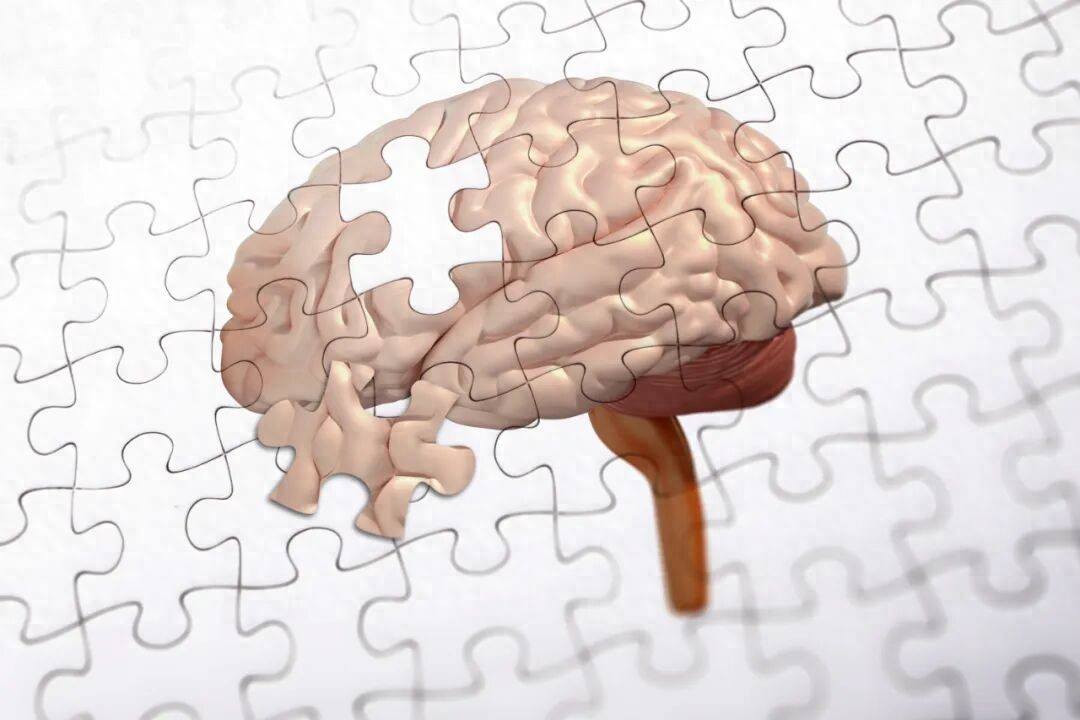
Alzheimer’s disease is an insidious-onset neurodegenerative disorder. It is like a “memory eraser,” causing not only suffering for the patient but also imposing enormous caregiving pressure and financial burden on the family. In this issue, we provide a family action handbook covering the following aspects.
What symptoms should family members be alert to?
01 Memory loss
This is the core symptom of Alzheimer’s disease. Patients often experience loss of recent memory, such as not remembering they just ate, repeatedly asking the same question, or forgetting important dates or events, while recalling things from many years ago very clearly.
02 Attention and executive dysfunction
Patients often appear mentally unfocused and procrastinate; their ability to plan, carry out, and solve problems declines.
03 Decline in Daily Functioning
The patient has difficulty completing previously familiar daily activities, such as forgetting the rules of mahjong or not knowing how to use the washing machine.
04 Disorientation in Time and Place
The patient has trouble recognizing familiar routes, doesn't know where they are or how to get home; cannot distinguish between day and night.
05 Language and communication impairments
Patients often cannot find the right words to express their thoughts, for example saying “the thing you drink from” instead of “cup,” causing communication difficulties.
06 Misplacing items
Patients may put things in the wrong places, for example putting vegetables into a wardrobe or keys into the refrigerator.
07 Poorer judgment
For example, the patient wears many clothes in the heat of summer, or is too lightly dressed in winter; becomes easily convinced by TV shopping or phone scams and spends money recklessly.
08 Changes in mood and personality
The patient may have large mood swings and show confusion, suspiciousness, depression, fear, anxiety, and other symptoms.
09 Social Withdrawal
The patient loses interest in former hobbies and social activities, becomes taciturn, often sits in front of the TV staring blankly for long periods, and is unwilling to interact with others.
Home Self-Test Method

Clock Drawing Test: Family members prepare a blank sheet of paper and a pen, and ask the elderly person to draw a circular clock face, write the numbers 1–12, and draw the hour and minute hands to show the time "11:10." If the numbers are crowded on one side, in the wrong order, or the hands are drawn in the wrong positions, it indicates a decline in spatial perception and executive function.
3-minute word memory test Family members casually say 5 unrelated words, for example: 苹果, 报纸, 火车, 老虎, 橡皮, etc. Have the elderly person repeat them once, then ask them to recall after 3 minutes. A normal elderly person can usually recall 3–5 words; if the tested elderly person can only recall 0–2 words, be alert for Alzheimer's disease.
How to get medical care smoothly
01 Choosing the clinic/department
Preferentially visit the memory clinic or cognitive disorders clinic at a large general hospital; these are the specialist departments for diagnosing and treating Alzheimer's disease.
02 Resolving the patient's resistance emotions
Patients often refuse medical treatment; this is very common and stems from anosognosia caused by the disease itself (i.e., not recognizing that they are ill), as well as emotions like fear and shame. Family members must avoid forcibly dragging the patient to the hospital; you can try using a "benevolent lie," for example saying, "Let's go to the hospital together for a routine checkup to examine the heart and brain," or telling the patient that you are accompanying a family member for a checkup and will get checked at the same time, rather than directly saying, "You have Alzheimer's disease; go see a doctor." Additionally, family members can emphasize that the hospital visit is to "improve memory," "get a good night's sleep," or "relieve headaches."
03 Materials to prepare for medical visits
Before seeking medical care, family members must prepare the following materials in advance. Patient information, including past medical history, medication history, and allergy history. A "memory dossier," which is the most important material, recording in detail specific recent instances of the patient's memory loss, their frequency, and when they began. Previous examination materials, including medical records, lab results, and imaging reports.
Harms of Alzheimer's disease
Alzheimer's disease not only causes patients to have "poor memory," it also leads to a comprehensive health crisis.
Harm to the patient themselves: Patients lose dignity and self, lose memories, and ultimately are unable to express their needs. They completely lose the ability to care for themselves in daily life, from being unable to manage finances or cook, to being unable to dress, eat, or use the toilet, requiring 24-hour full-time care from family members. Patients may exhibit various neuropsychiatric symptoms, such as suspicion, delusions, hallucinations, aggressive behavior, screaming, and agitation.
Common serious complications: because patients have impaired judgment and disorientation, they are very prone to falls, which can lead to fractures, intracranial hemorrhage, and so on.
In late-stage patients, swallowing function weakens, making it easy for food or saliva to be aspirated into the lungs and cause infection. Patients who remain bedridden for long periods suffer local skin pressure necrosis and are prone to bedsores. If a patient goes out alone and cannot return home, they face dangers such as traffic accidents, frostbite, hunger, and drowning. Forgetting to eat or being unable to eat leads to malnutrition, reduced immunity, and a higher risk of various infections.
Existing medical approaches
Although Alzheimer's disease cannot yet be cured, various measures can effectively "brake" it and slow its progression.
01 Medication treatment
Medications that improve cognitive function, such as donepezil, rivastigmine, and galantamine, can increase acetylcholine levels in the patient's brain and help improve memory. Memantine acts on the glutamate system and is suitable for moderate to severe patients, helping to stabilize mood and behavior. If a patient develops severe depression, hallucinations, or aggressive behavior, doctors may use antidepressants, antipsychotics, or other medications as appropriate.
02 Cognitive rehabilitation training
Such as reminiscence therapy, music therapy, and art therapy.
03 Physical Exercise
Patients should maintain regular aerobic exercise, such as brisk walking, square dancing, or practicing tai chi.
04 Healthy Diet
Patients can follow a "Mediterranean diet," consuming more deep-sea fish, vegetables, nuts, olive oil, and whole grains, and less red meat and saturated fatty acids.
Home care and ways of getting along
After the patient returns home, the family should immediately start the "Six Lifestyle Interventions."
1 Regular exercise
The patient should maintain regular exercise, with a weekly exercise duration of ≥150 minutes.
2 Mediterranean diet
Patients should eat more deep-sea fish, vegetables, nuts, and olive oil, and eat less red meat.
3 Talk more
Family members should chat with the patient for more than 30 minutes every day; the more specific the topics, the better.
4 Be active with your hands
Patients can do more activities like selecting vegetables, making dumplings, gardening, and jigsaw puzzles.
5 Control chronic diseases slowly
Family members should help the patient manage blood pressure, blood sugar, and blood lipid levels.
6 More socializing
The patient meets with old friends at least twice a week or takes part in community activities.
Also, do family members need to strictly limit the patient’s freedom? In fact, absolute “strict restriction” will deprive the patient of dignity and can easily trigger more severe emotional problems. Therefore, family members can implement “limited freedom management.”
Create a safe environment The patient engages in activities in a familiar, safe neighborhood garden accompanied by family.
Alternative options Family members can assign the patient some simple “tasks,” such as folding clothes or watering plants, to satisfy their sense of value.
When necessary, be gently firm. If the patient shows clearly dangerous behavior, such as insisting on going out in the rain, family members should use a gentle yet firm tone to stop them while also soothing their emotions.