Taking insulin in the morning and evening, blood sugar reaches 20 in the afternoon, what should I do?
Key Points: A sudden increase in blood sugar to 20 millimoles per liter at noon means immediate emergency measures are needed to avoid acute complications caused by hyperglycemia. In daily management, patients usually inject insulin in the morning and evening to control blood sugar levels.
A sudden increase in blood sugar to 20 millimoles per liter at noon means immediate emergency measures are needed to avoid acute complications caused by hyperglycemia.
In daily management, patients usually inject insulin in the morning and evening to control blood sugar levels. If blood sugar suddenly spikes to 20 millimoles per liter at noon, this indicates that the current insulin dosage may not effectively meet the body's needs, or there may be other factors affecting blood sugar. At this time, hyperglycemia may lead to serious complications such as dehydration, electrolyte imbalance, and diabetic ketoacidosis, and even be life-threatening.
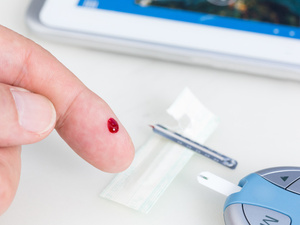
Therefore, taking immediate action is crucial. Blood glucose should be measured promptly and recorded to assist the physician in evaluating whether the current treatment plan remains appropriate. Contact a doctor immediately or seek professional medical care at a hospital so that insulin dosages can be adjusted or other treatment measures implemented based on the specific situation. At the same time, maintain adequate hydration and avoid strenuous exercise to reduce the body's demand for insulin. Do not increase insulin arbitrarily; self-adjusting the dosage may lead to severe nocturnal hypoglycemia, which is an even more dangerous condition. If a urine ketone test strip or blood ketone meter is available at home, test for ketones immediately. If ketones are positive (++ or higher), seek immediate medical care.
The potential risk of treatment lies in the fact that improper handling may lead to further blood sugar elevation, potentially triggering serious complications such as diabetic ketoacidosis. Frequent blood sugar fluctuations may also alter the body's demand for insulin, making dosage adjustments more complex. Patients need to closely monitor their physical condition and follow reasonable treatment and management under the guidance of a doctor.
【Management Tips:】
1. Measure your blood sugar immediately and record the results.
2. Contact your doctor promptly or go to the hospital for professional help.
3. Maintain adequate fluid intake and avoid strenuous exercise.
4. Regularly monitor blood sugar levels and adjust insulin dosage.