From Cognition to Action: Guarding Every Heartbeat
Cardiovascular diseases have high incidence and mortality rates, with a trend of increasing among younger populations. Many people's understanding of heart health still remains at the passive level of "treating after getting sick," ignoring the importance of prevention.
Recognizing High-Prevalence Heart Diseases
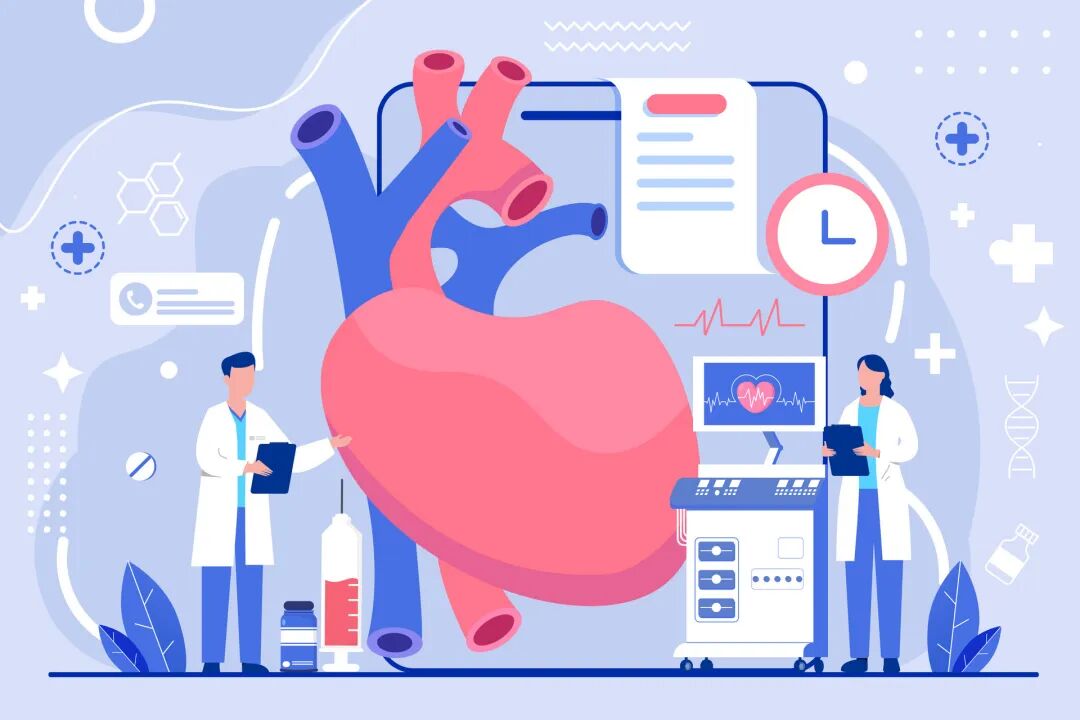
Many patients believe that chest tightness and chest pain are symptoms of heart disease. In reality, the heart is like a four-chambered house, requiring four aspects to function normally: door and window structures (valve opening and closing), water pipes (coronary artery blood supply), circuits (electrical conduction), and walls (myocardial contraction and relaxation). Therefore, heart disease is not a single type of illness but encompasses various types of diseases that affect the structure and function of the heart.
1. The heart's door and window issues—Valvular disease
With the advent of an aging society, the incidence of valvular disease in people over 70 has significantly increased. All four heart valves—the aortic valve, mitral valve, tricuspid valve, and pulmonary valve—can potentially develop stenosis or insufficiency. Taking aortic valve stenosis as an example. The heart is like the body's "power pump," and the aortic valve is the "main valve" through which this pump supplies blood to the entire body. With each heartbeat, the aortic valve opens promptly, sending oxygen-rich, nutrient-filled blood to the brain, the heart itself, the gastrointestinal tract, and the limbs.
Once this "valve" narrows (medically known as aortic valve stenosis), the blood supply to the entire body is like a "main water pipe" being pinched, causing various problems throughout the body. For instance, insufficient blood supply to the brain may cause dizziness, insufficient blood supply to the heart may cause chest tightness and pain, insufficient blood supply to the gastrointestinal tract may cause digestive issues, and insufficient blood supply to the lower limbs or the entire body may cause general fatigue.
2 Heart's blood supply pipeline problems - Coronary Heart Disease
Coronary heart disease is a disease caused by the gradual development of atherosclerotic plaques in the coronary arteries, leading to severe stenosis or occlusion of the blood vessels, resulting in insufficient blood supply to the heart muscle. Its most typical symptom is angina pectoris, often triggered by physical activity or emotional excitement. When the coronary arteries are completely blocked, it can lead to acute myocardial infarction.
Therefore, when experiencing chest tightness, chest pain, abdominal pain, or toothache related to physical activity, or chest tightness and pain that occur while resting in a lying position at dawn and alleviate after rest, one should be alert to the possibility of coronary heart disease.
3 Heart's electrical rhythm problems - Atrial Fibrillation
Many people occasionally feel that their heart is "beating abnormally"—not too fast, but irregularly, accompanied by palpitations, shortness of breath, and a feeling of tightness in the chest. This condition is known as atrial fibrillation. The biggest danger of atrial fibrillation is its tendency to trigger strokes.
During an episode of atrial fibrillation, the most immediate sensation for the patient is palpitations, with little other discomfort, which is why many people believe that the persistent presence of atrial fibrillation is not a major issue. However, they may not realize that in the rhythm of atrial fibrillation, blood stasis can form in the left atrium, particularly in the left atrial appendage. If a blood clot in the left atrial appendage suddenly detaches and blocks a cerebral artery, it can lead to ischemic stroke and other serious conditions. Missing the opportunity for emergency thrombectomy or thrombolysis can easily result in hemiplegia.
4. The Heart's Wall Problem—Cardiomyopathy
Cardiomyopathy is a group of heart diseases caused by abnormalities in the structure or function of the heart muscle. The condition is often triggered by factors such as infections, alcohol poisoning, genetics, and autoimmune diseases. Based on different pathological manifestations and clinical characteristics, cardiomyopathy is primarily classified into dilated cardiomyopathy, hypertrophic cardiomyopathy, and restrictive cardiomyopathy, among others. The main symptoms include heart enlargement, myocardial hypertrophy, or stiffness.
Mild symptoms such as shortness of breath and fatigue after exercise may appear in the early stages of the disease, while severe illness can lead to heart failure, arrhythmia, or sudden death.
5 Common Outcomes—Heart Failure
Heart failure represents the common endpoint of various cardiac conditions in their advanced stages, characterized by impaired contraction or relaxation function of the heart, which compromises its ability to pump blood effectively. The most prominent symptom in patients with heart failure is dyspnea (difficulty breathing). In the early stages, this may manifest as shortness of breath after activity. As the condition progresses, patients may experience labored breathing even at rest, and may even wake up at night gasping for air—a symptom known as paroxysmal nocturnal dyspnea. Additionally, patients often present with edema (swelling) in the lower extremities, and may also experience fatigue, loss of appetite, and abdominal bloating.

How to improve heart health through action
To protect heart health, it's important to first understand which factors pose threats. Some cardiovascular health risks, such as advanced age and family genetic factors, cannot be changed. Therefore, it's even more crucial to focus on modifiable or controllable risk factors.
First, be wary of the "three highs": hypertension, hyperlipidemia, and hyperglycemia. Hypertension continuously impacts the blood vessel walls, causing them to gradually lose elasticity; high blood lipids lead to the deposition of cholesterol and other lipid plaques within the blood vessels, blocking them; high blood sugar can damage the blood vessel endothelium. Second, smoking. Nicotine and carbon monoxide in tobacco smoke damage the blood vessel endothelium and promote thrombus formation. Third, being overweight and obese, especially central obesity, not only disrupts metabolism but also increases the burden on the heart.
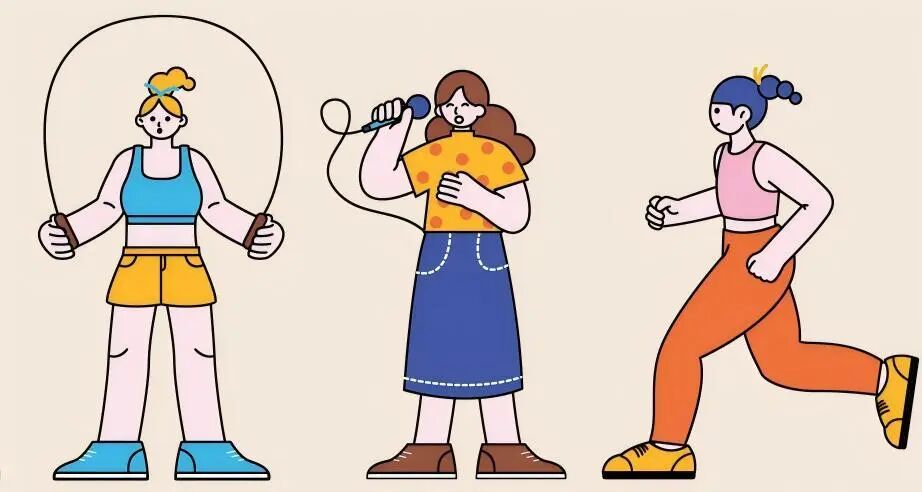
In addition, a sedentary lifestyle, a diet high in salt, fat, and sugar, long-term excessive alcohol consumption, and mental stress can also damage the cardiovascular system. Understanding the risk factors for cardiovascular diseases is like obtaining a "map" to protect heart health, as it clearly indicates the directions we need to strive to intervene in, such as quitting smoking and limiting alcohol consumption, maintaining a balanced diet, and scientifically managing body weight, among others.
Many people try to avoid the dangers of overeating by adopting the "indulge first, exercise later" approach, but a recent study published in *Nature Communications* by the author's team suggests that this may worsen heart damage. Therefore, scientific weight loss should follow the principle of "prioritizing diet, complementing with exercise" to avoid falling into the vicious cycle of "binge eating + excessive training."
Protecting the heart requires long-term management and a shift from awareness to action. On World Heart Day, let's take action to safeguard every heartbeat and keep the rhythm of the heart beating endlessly.