Running slow and jumping far in physical education class? It's time to improve muscle strength, join the workout
Scientific muscle strength training is of great significance for healthy weight management and obesity intervention in children and adolescents.
Muscle strength is not only the foundation of athletic performance but also the pillar of bone health, the "protective shield" for joints, the "regulator" for metabolic efficiency, and even profoundly affects cognitive function and learning efficiency.
So, how can adolescents perform strength training safely and effectively to build a stronger physique?
The three principles of strength training
The core to ensuring that strength training for adolescents is safe and effective lies in adhering to three scientific principles: age grouping, progressive overload, and full supervision.
First, strict age grouping must be conducted.
Significant differences in abilities exist among children at different developmental stages:
For children aged 6-8, their brain-muscle pathways are not yet fully mature, and training should focus on game-based bodyweight exercises (such as bear crawls, single-leg stands), with the goal of establishing basic movement patterns rather than applying external loads;
For children aged 9-12, as testosterone and growth hormone levels begin to rise and bone density enters a period of rapid growth, light load tools can be introduced, such as resistance bands, small dumbbells (not exceeding 10% of body weight) or 4-8 kg kettlebells. Training should focus on movement control and rhythm;
For adolescents aged 13 and above, entering the golden window for strength growth during puberty, they can gradually transition to progressive overload training with barbells or kettlebells, but the prerequisite is that their movement technique is fully qualified.
Secondly, implementing a scientific progressive overload strategy is crucial.
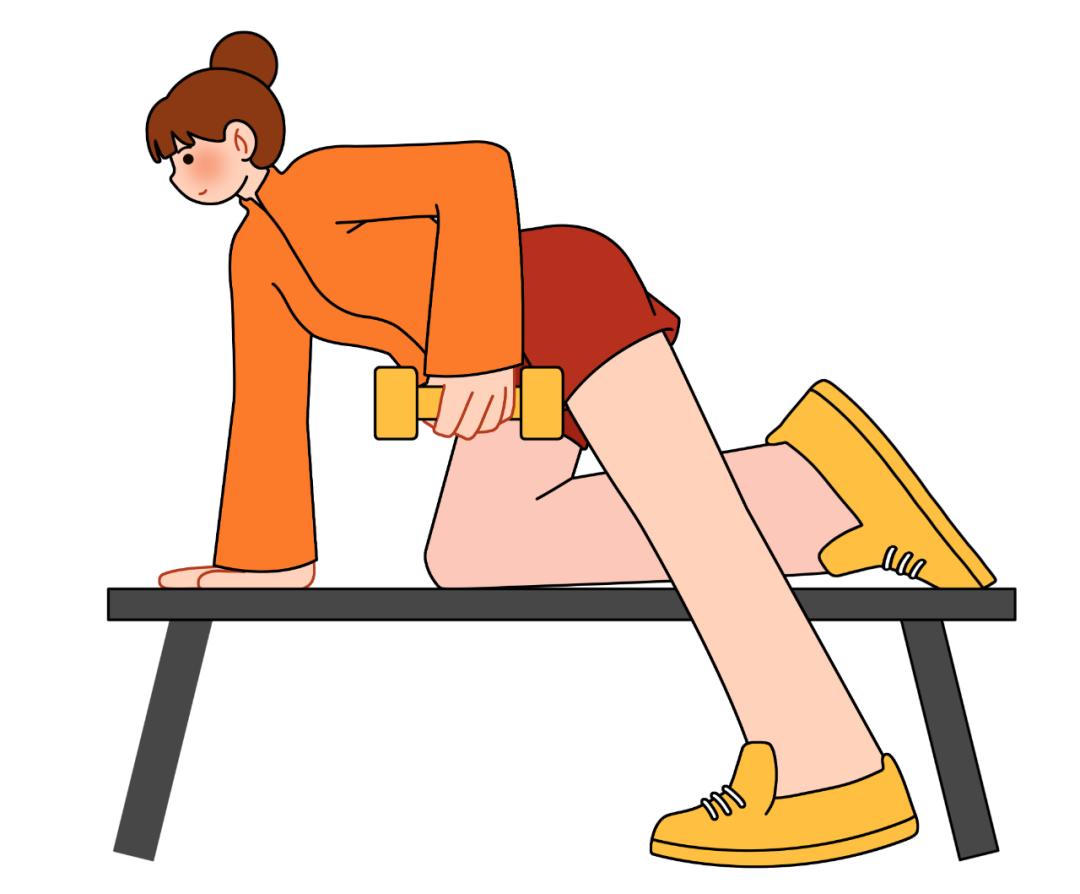
Training dosage is not necessarily the bigger the better; 10 to 20 sets per muscle group per week is sufficient, while beginners can start with 6 to 10 sets.
Increasing the load should follow the "minimal jump" principle: prioritize increasing repetitions first (e.g., from 2 sets of 5 reps to 2 sets of 8 reps), then moderately increase weight (by 5% to 10%), and finally consider increasing sets (e.g., from 2 sets to 3 sets), forming a three-step cycle to avoid blindly pursuing heavy weights.
Safety monitoring is recommended using RPE (Rate of Perceived Exertion) 5-7 (i.e., feeling "you can still do 3 to 5 more reps") or a loss of movement speed not exceeding 10% as a stop signal, which is safer and easier to implement than traditional 1RM (One-Rep Max) testing.
Finally, professional supervision throughout is the fundamental guarantee of safety.
Instructors or coaches must hold professional qualifications such as the NSCA-CPT (National Strength and Conditioning Association Certified Personal Trainer) or the Youth Physical Conditioning Coach certification from the Chinese Society of Sports Science. Parents should also receive at least 2 hours of basic movement and safety training.
The ratio of on-site supervisory personnel must be strictly controlled (e.g., 1:8 for primary school, 1:10 for junior high school, 1:12 for high school), and each training session must record details such as the number of repetitions, weight, RPE (Rate of Perceived Exertion), and subjective pain.
Environmental safety should not be overlooked: fixed equipment should be prioritized, the ground must be slip-resistant, dumbbells and kettlebells should have rubber covers, and the training area must be physically separated from walkways. Only by placing human safety above weight can the long-term health benefits of strength training truly be realized.
Recommendations for strength training programs
A strength training program for adolescents, its core lies in low threshold, short duration, and monitorability. Follow these principles to start safely: frequency 2-3 times per week; each session 15-20 minutes (including warm-up and cool-down); interval at least 48 hours; intensity controlled at RPE 5-7, i.e., the sensation of "can still do 3-5 more reps"; equipment includes dumbbells 2-8 kilograms, kettlebells 4-12 kilograms, resistance bands, or backpacks. Training movements cover the basic human "push, pull, squat, carry" movement patterns to ensure comprehensive development.
Click on the video below to join the workout↓↓↓
Healthy China
Like 89
Scientific strength training also needs to pay attention to safety and recovery.
Warm-up: Do a comprehensive warm-up before strength training, such as 5 minutes of jumping rope or light squats, shoulder rotations.
Perform 2-3 minutes of static stretching after the warm-up training, focusing on relaxing the quadriceps, hamstrings, and chest and shoulders.
Bone strength relies on mechanical stimulation, and efficient metabolism depends on muscle drive. Under professional guidance and following scientific principles, strength training is not only safe but also essential for the comprehensive and healthy development of adolescents.