Early Awareness of Osteoporosis, Don't Wait for Fractures to Take It Seriously
October 20th of each year is World Osteoporosis Day. The theme for World Osteoporosis Day in 2025 is "Healthy Weight, Strong Bones and Fitness." This theme calls on everyone to maintain bone health and promote overall health.
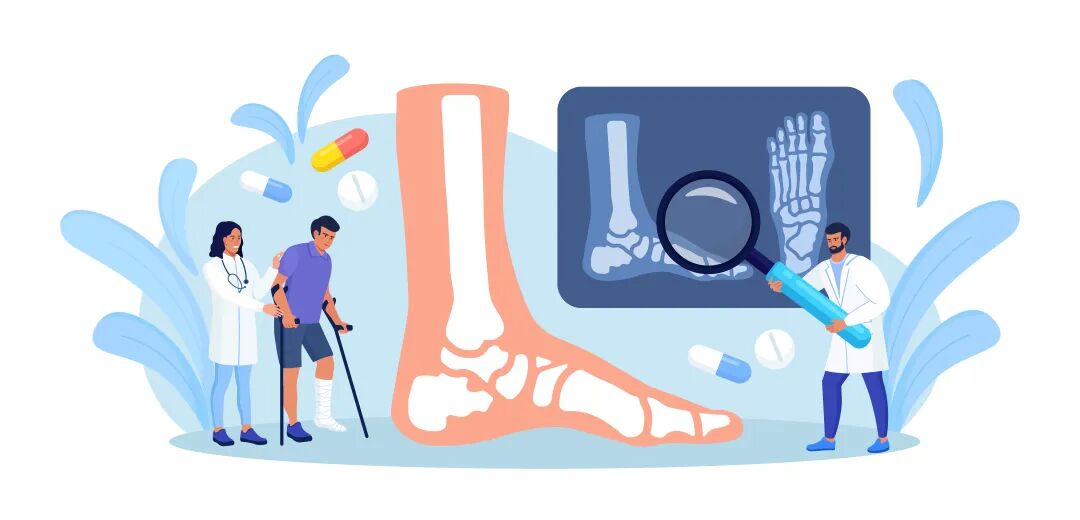
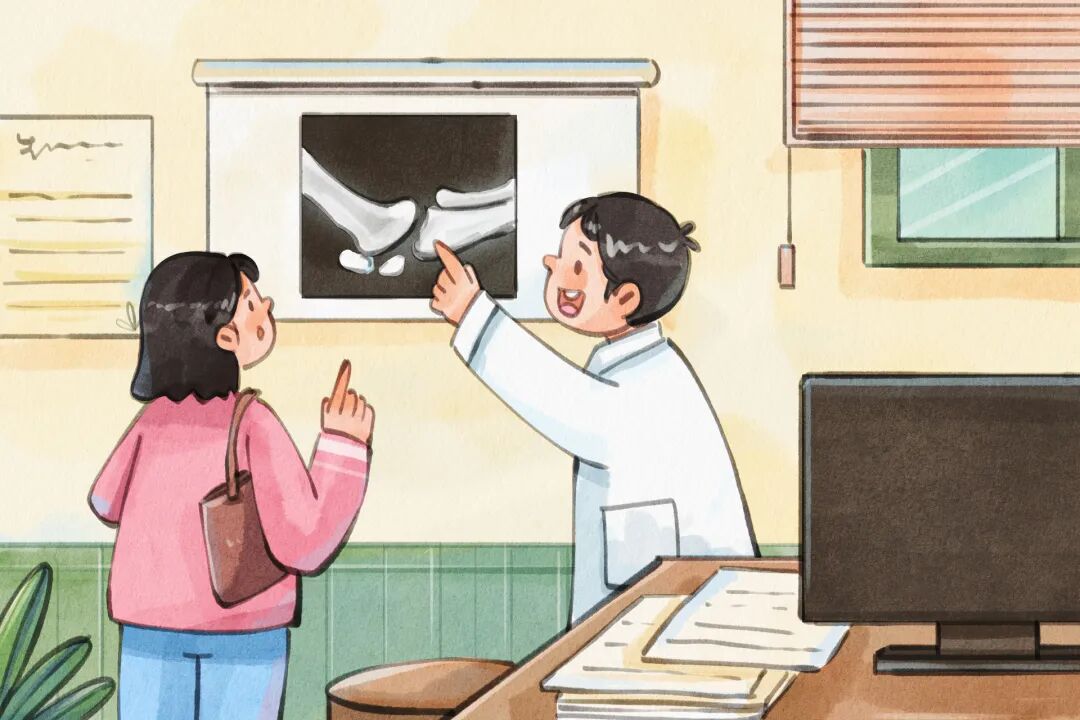
Miss Zhou didn't expect her 40th "birthday gift" to be a femoral neck fracture surgery and an osteoporosis diagnosis report. This made it hard for her to accept at first: "I'm not old yet, how could I have a osteoporotic fracture from a simple fall?" The doctor told her that her poor lifestyle of pursuing a low body weight for a long time had damaged her bone health.
Miss Zhou's situation is not an isolated case. The "2018 China Osteoporosis Epidemiological Survey Report" (hereinafter referred to as "the Report") shows that the prevalence rate of osteoporosis among the 40-49 age group in China is 3.2%, with women at 4.3%; for those over 50, the rate is 19.2%, with women at 32.1%; and for those over 65, the rate is 32.0%, with women at 51.6%.
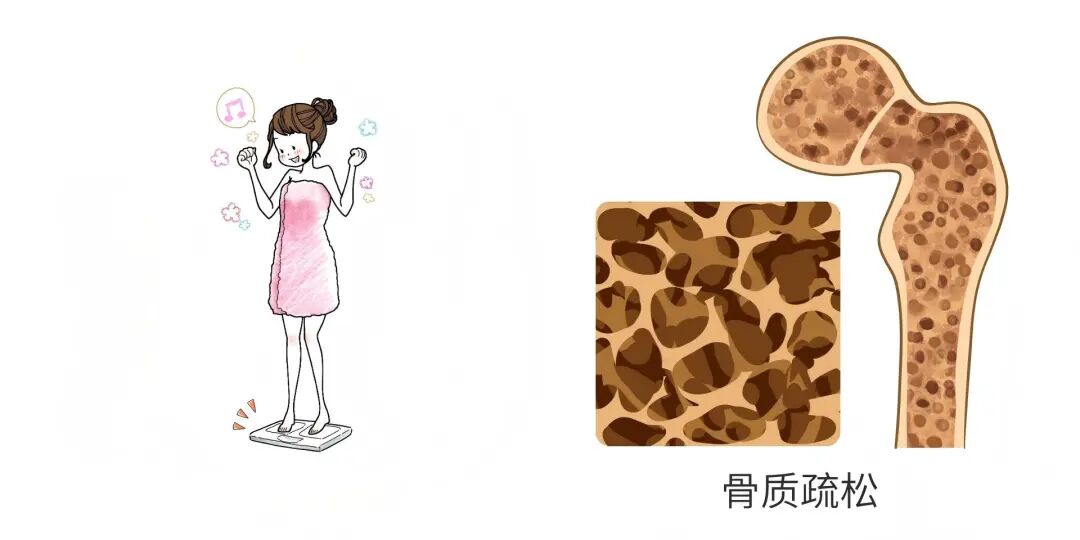
1 "Bone decay before old age" is not just a scare tactic
Osteoporosis is a systemic disease. This condition typically shows no obvious symptoms during its onset and gradually worsens without the patient realizing it, until an accidental fall or similar incident causes a fracture, revealing its harm. From clinical data, the main groups affected by osteoporosis are women 5-10 years post-menopause and the elderly over 70 years old, which is why it is often seen as a "disease of old age."
But the occurrence and development of the disease is a long-term accumulation process, not suddenly appearing in old age. Protecting bone health is not just a task for old age; only by accumulating bone mass scientifically and reducing bone loss from the early stages of life can a foundation be laid to maintain good bone health and "stand straight" in old age.
In fact, the prevalence rate of osteoporosis is just the tip of the iceberg when it comes to the skeletal health of the population. The report shows that among the population aged 40-49 in China, 32.9% have reduced bone mass. That is to say, out of every three people, one has significantly lower bone mass than the normal value, making them a high-risk group for osteoporosis.
2 Healthy weight and healthy bones are both important
Research indicates that individuals with excessively low body weight, defined as a Body Mass Index (BMI) of <18.5, often have lower bone mineral density and a significantly elevated risk of fractures. This is primarily attributed to two factors. Firstly, underweight individuals often have weak muscle strength. Consequently, the mechanical stimulation normally exerted on the bones is reduced, which inhibits osteogenic activity and leads to insufficient bone mass formation. Secondly, extreme dieting behaviors adopted to maintain an excessively low weight can result in inadequate nutrient intake and may also trigger hormonal metabolic disorders. Particularly in women, if estrogen levels decline as a result, it can make them more susceptible to bone loss. Ms. Zhou, mentioned earlier, is a typical case in point.
Of course, being overweight can also harm bone health. First, excessive fat tissue secretes inflammatory factors that inhibit bone formation and promote bone resorption. Second, overweight individuals often have metabolic disorders and muscle loss, and this "sarcopenic obesity" further weakens bone stability. Finally, excessive weight increases the burden on bone joints and the risk of falls, making it a risk factor for osteoarthritis and fractures.
Therefore, maintaining a healthy weight is a crucial aspect of bone health. The World Health Organization recommends that adults keep their BMI between 18.5 and 24.9. For bones, this range means both moderate mechanical load and avoiding the harmful effects of excessive fat accumulation.
3 Exercise stabilizes both bones and weight
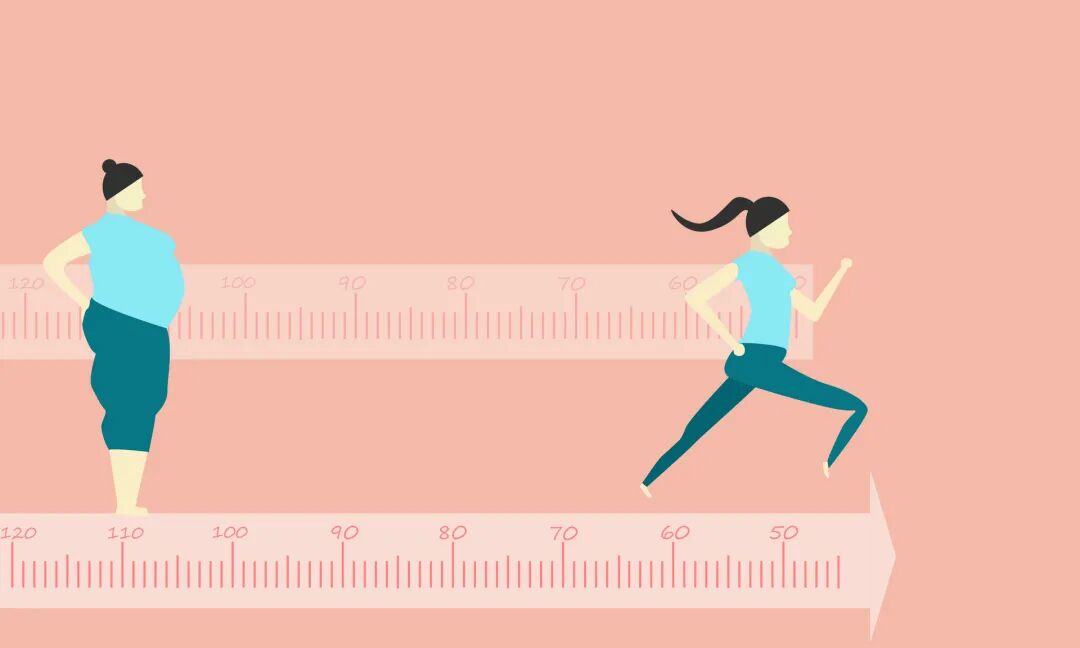
Regular exercise is very important for bone health. It can promote the balance of bone metabolism in the human body, help increase muscle mass, and simultaneously stimulate osteogenesis. Additionally, exercise can also increase energy consumption in the body, reduce fat accumulation, and prevent obesity from imposing extra burden on the bones.
From different age groups, exercise during adolescence is particularly crucial for bone mass accumulation. Research shows that young people's bone density is closely related to the amount of exercise. Those who participate in "weight-bearing sports" like basketball and volleyball during puberty have significantly higher bone density in old age compared to those who did not engage in such activities. After adulthood, exercise remains important for maintaining bone mass.
It is recommended that children and adolescents aged 6-17 engage in at least 60 minutes of moderate to vigorous physical activity daily, while also scheduling at least 3 days per week for muscle-strengthening activities. Adults aged 18-64 are advised to engage in 150-300 minutes of moderate-intensity or 75-150 minutes of vigorous-intensity aerobic activity per week, in addition to their daily activities, or a combination of moderate and vigorous aerobic activities of equivalent duration, with at least 2 days per week dedicated to muscle-strengthening exercises.
In addition to exercise, a high-salt diet, drinking coffee, carbonated beverages, smoking, and excessive alcohol consumption can also affect bone health. Therefore, maintaining bone mass and body weight, and a healthy lifestyle are helpful.
Prevention of osteoporosis should be emphasized from adolescence, as this stage is crucial for bone development and bone mass accumulation. Maintaining a healthy weight, eating a balanced diet, quitting smoking, and limiting alcohol consumption may seem ordinary, but they are essential foundations for preventing osteoporosis and achieving lifelong bone health.