How Does COVID-19's "Male Preference" Affect Middle-Aged Men's Immunity?
While "fragile college students" have gone viral online, "fragile middle-aged adults" remain largely overlooked.
In China, middle-aged men burdened by the "three mountains" of career, family, and society are constantly plagued by minor illnesses, chronic diseases, and even face higher risks of cancer and sudden death.
When examining the root causes of middle-aged men's "fragility," the most fundamental reason is prolonged weakened immunity.
Trapped in "Long COVID" and more susceptible to flu infections
The immune system acts as a "shield" for the human body, blocking viral invasions and defending against health threats.
There are many causes of weakened immunity. Unhealthy lifestyles such as staying up late, smoking, excessive drinking, and prolonged sedentary behavior serve as triggers and catalysts—common issues faced by middle-aged individuals across all eras.
Notably, today's middle-aged population has experienced unprecedented circumstances: exposure to the novel coronavirus, possibly more than once.
It feels like my body isn't the same after having COVID" is a common sentiment. Uncle Li (pseudonym), a 52-year-old man, reported lingering fatigue, insufficient sleep, and occasional palpitations and breathing difficulties after two COVID infections, suspecting he might have "Long COVID.
According to incomplete statistics, at least 65 million people worldwide suffer from Long COVID. The World Health Organization defines "post-COVID-19 condition" (Long COVID) as symptoms persisting for at least two months three months after confirmed or suspected SARS-CoV-2 infection, without other obvious causes.
A study review published in *Nature Reviews Microbiology* states that "long COVID" not only causes widespread multi-organ damage but also increases patients' risk of various medical conditions. The review also notes that the pathogenesis may involve immune system imbalances, among other factors.
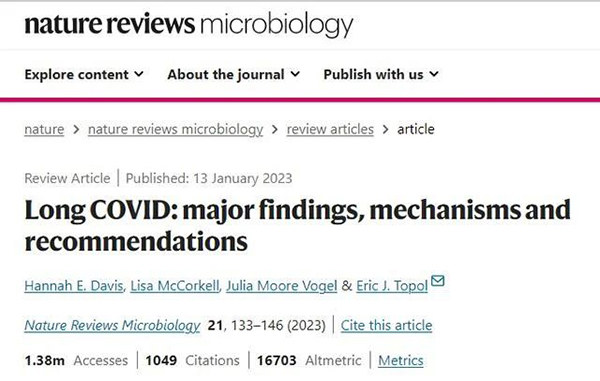
◎ The study review indicates that long COVID patients experience symptoms across multiple organ systems, including cardiovascular, thrombotic, and neurological damage. / *Image: Nature Reviews Microbiology*
In addition to "long COVID," those infected multiple times, such as with a second or subsequent infection (reinfection), may face even more fragile immunity, with significantly increased risks of respiratory infections like influenza A, influenza B, and mycoplasma pneumonia.
Zhang Daqing (pseudonym), 49, suffered two severe illnesses just last month. First, a cold turned into pneumonia, causing high fever and intense coughing, which required over a week of hospitalization. Unexpectedly, the day after discharge, a trip to the market in the rain triggered another bout of severe coughing. Sensing something was wrong, he purchased a rapid at-home test, which confirmed influenza A. Soon after, his wife also developed a high fever from the infection.
Just recovered from a serious illness only to be hit by influenza A, even the toughest man couldn't withstand it. Zhang Daqing said, "This bout of influenza A feels even worse than COVID-19 - no appetite, body aches all over..."
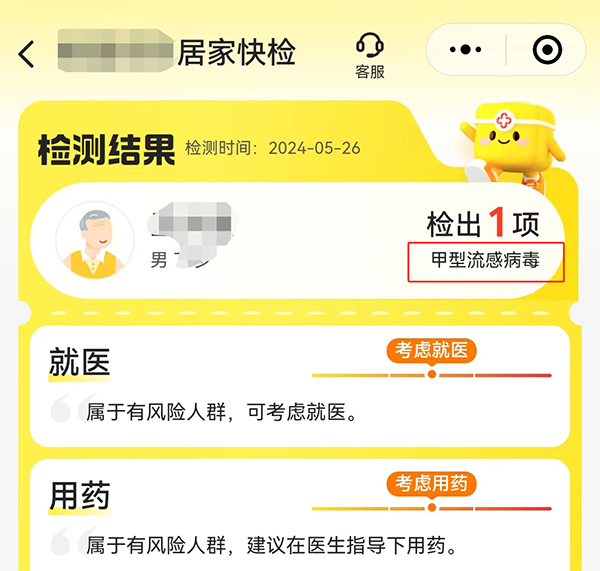
◎ Rapid test results suggest influenza A. / Image: Provided by interviewee
"My wife bought two boxes of baloxavir marboxil tablets, said to be a special flu medicine. Her fever subsided quickly after taking it, but I was unlucky—about an hour after taking it, my coughing suddenly worsened." Zhang Daqing told 39 Deep Breath that he thought it might be pneumonia again and tried self-treating with compound methoxyphenamine capsules and nebulization, but it didn’t help.
That night, he went to the emergency room for a CT scan, which showed no recurrence of pneumonia. The doctor told him it was likely a side effect of baloxavir marboxil, as the drug can cause adverse reactions like bronchitis. He was given an antiasthmatic injection along with nebulization treatment. Even after returning home, he kept coughing incessantly, unable to lie flat to sleep, and had to sit on the sofa until dawn before the symptoms gradually eased.
This wasn't Zhang Daqing’s first bout of influenza A—he had contracted it before COVID-19, but never had it been as bad as this time. He believes it all boils down to one thing: "My immunity just isn’t what it used to be!"
COVID-19 is "biased against men"—just how much does it impact immunity?
The novel coronavirus continues to mutate, with the Omicron JN.1 variant currently being the dominant strain worldwide. Since the beginning of this year, the KP.2 subvariant has been gradually increasing its proportion among global circulating strains, and China has also detected the KP.2 variant for the first time in local cases in Guangdong.
In the current situation where everyone may get infected "once" or even "multiple times," what impact does COVID-19 have on the male immune system?
Scientific research indicates that COVID-19 is "gender-biased." Its impact on male immunity mainly manifests in higher mortality risk, earlier immune system aging, and gender differences in immune responses.
Multiple studies have shown that men face a higher risk of death after COVID-19 infection than women. Swiss researchers analyzed mortality data from various countries and found that while mortality increases with age after 50, male mortality rates exceed female rates across all age groups. UK data indicates that men have twice the risk of dying from COVID-19 infection compared to women.
This may be related to differences in immune responses between males and females. A research team led by Professor Akiko Iwasaki from Yale University published a study in Nature revealing significant differences in how patients of different genders respond to SARS-CoV-2 infection. Specifically, women exhibited stronger T-cell activation and more sustained immune responses. This may explain why male COVID-19 patients tend to experience more severe symptoms.
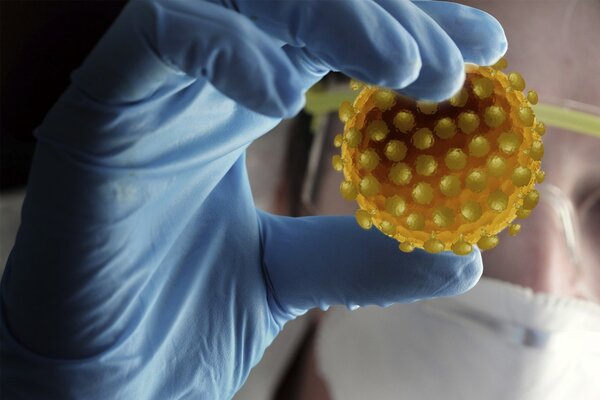
How Much Does the Virus Affect Immunity? / Photo: Panoramic Vision
Middle-aged men who have contracted COVID-19 three or four times should also be screened for autoimmune deficiency diseases.
In February of this year, the Nanguo Morning Post reported that a 54-year-old woman in Liuzhou, Guangxi, tested positive for COVID-19 four times within a year and was diagnosed with Good's syndrome, making her the first confirmed case of recurrent SARS-CoV-2 infection in China. Good's syndrome was first discovered in 1954, with most patients developing symptoms between the ages of 40 and 70, regardless of gender. In other words, men are equally susceptible to this disease.
Peng Jie, Director of the Difficult and Complicated Infection Disease Center at Southern Hospital of Southern Medical University, told the media that low immunity can lead to recurrent viral infections, including respiratory infectious diseases like COVID-19 and influenza. Good's syndrome may also cause recurrent COVID-19 infections. It is classified as an autoimmune deficiency disease, typically diagnosed and treated in oncology or endocrinology departments, with most patients having a history of thymoma. Therefore, middle-aged men with a history of thymoma are advised to remain vigilant.
Demand for Immune Support Surges, Related Products Defy Market Trends with Strong Sales
The pandemic has fueled massive demand for immune support, with consumers placing greater emphasis on immunity and physical health. Immune-regulating medications and health supplements have achieved counter-cyclical growth despite the overall market downturn.
39 Deep Breath investigations reveal that since last year, cross-infections and co-infections caused by pathogens like influenza, mycoplasma, and adenovirus have repeatedly struck, driving strong consumer preference for immunity-boosting nutritional supplements.
Related health consumption research indicates over 80% of consumers prioritize product quality and functionality when selecting nutritional supplements.

◎ At retail pharmacies, immune-regulating medications and health supplements have always been bestsellers. / Photo: Panoramic Vision
Industry insiders note that the most positive impact of the pandemic on the health supplement market has been the elevation of consumer awareness. Previously, consumers focused more on the price of supplements and the efficacy claims of brands, whereas now they pay greater attention to whether the ingredients and dosage are reasonable.
Current research papers and articles on immunity from Harvard Medical School and major international academic journals consistently highlight five key themes: balanced nutrition, moderate exercise, quality sleep, stress reduction, and a positive mindset.
39 Deep Breath found that compared to women, middle-aged men tend to prioritize physical exercise alone while neglecting smoking cessation and alcohol moderation, and are also unsatisfactory in maintaining adequate sleep and a balanced diet.
Especially for the three daily meals, busy middle-aged men often eat hastily, making it difficult to maintain a balanced diet. From the perspective of nutritionists, the three most immunity-related nutrients are: first, protein; second, vitamins including VitA, VitB, VitC, VitD, and VitE; and third, minerals such as zinc, selenium, and iron. These nutrients are all found in meat, eggs, dairy products, and fresh fruits and vegetables, and increasing their intake is recommended.
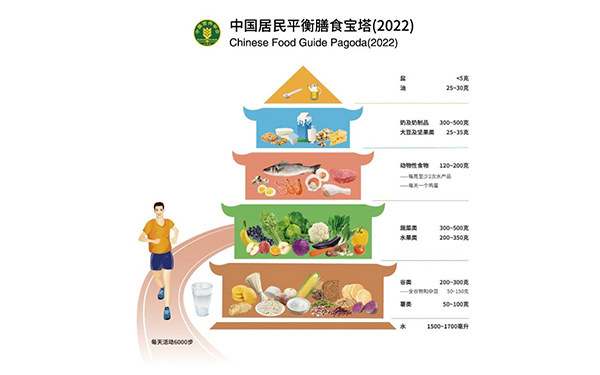
◎ A balanced diet is a crucial method for boosting immunity. / Photo: Official website of the Chinese Nutrition Society.
For middle-aged men, those with adequate financial means can appropriately take immune-regulating medications or health supplements, such as products containing traditional Chinese medicinal herbs like Ganoderma lucidum (Reishi mushroom) or Astragalus membranaceus. However, it is best to take them under medical supervision.
Of course, improving immunity isn't just about diet for men. It requires a balanced approach to eating, drinking, leisure activities, and proper sleep to achieve optimal immune function.
(All patient names in the article are pseudonyms)