Will Spring Come for Egg Freezing for China's 100 Million Single Women?
The "egg freezing" door has remained firmly shut for single healthy women in China. However, during this year's National Two Sessions, multiple CPPCC members submitted proposals related to the orderly opening of egg freezing services for single women. The topic of egg freezing has once again sparked social attention, with netizens excitedly exclaiming, "Chinese single women finally have hope for egg freezing!"
Over the years, the legality of egg freezing for single women has garnered increasing attention.
Egg freezing refers to the process of cryopreserving oocytes (commonly known as eggs) in an ultra-low-temperature environment (liquid nitrogen, -196°C) for long-term storage. When needed, the frozen eggs are thawed and revitalized for use in in vitro fertilization-embryo transfer technology to address fertility issues.
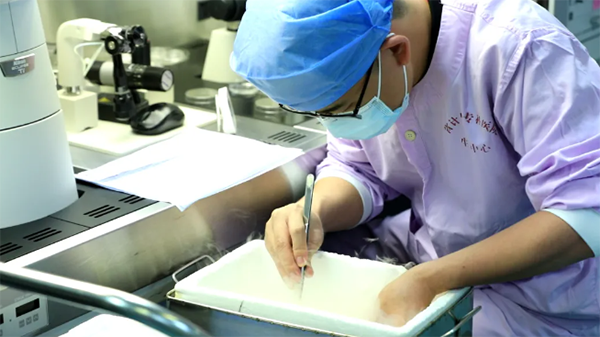
◎ Frozen eggs. / Photo: Hospital provided image
For those with medical conditions such as cancer patients or individuals requiring assisted reproductive technologies due to infertility, egg freezing is undoubtedly an excellent medical option. Today, as we look globally—countries including the United States, Canada, the UK, Germany, the Netherlands, Japan, South Korea, and Singapore also permit healthy, unmarried women to freeze their eggs.
Overseas, the demand for egg freezing among single women is steadily increasing. In contrast, egg freezing in China remains under strict regulation, with the "red line" prohibiting unmarried women from freezing their eggs still difficult to cross.
Yet, this does not diminish the earnest desire of China's 100 million single women for egg freezing. Economist Ren Zeping pointed out in his "2023 China Assisted Reproductive Research Report" that over 60% of surveyed women hope to preserve their fertility through egg freezing, with women aged 30–34 showing the highest willingness, and those with higher education levels being even more inclined.
Egg freezing is the "insurance" against regret for older single women.
The increasing demand for egg freezing among women is closely related to early ovarian failure in urban women, changing attitudes toward marriage and childbirth leading to later marriages or even "marriage-free" lifestyles, and the resulting rise in infertility rates.
Under normal circumstances, a woman only releases slightly over 400 eggs in her lifetime, with her fertile period lasting approximately 30 years. The optimal childbearing age for women is between 22-28 years old, and fertility declines significantly after age 40.
Against this already limited reproductive window, China's infertility rate among couples of childbearing age continues to climb, reaching a concerning 12%-18%.
Simultaneously, Chinese women's willingness to marry is declining, and finding a partner appears increasingly difficult. According to National Bureau of Statistics data, by the end of 2022, China's female population reached 689 million, with 100 million women actively choosing singlehood.
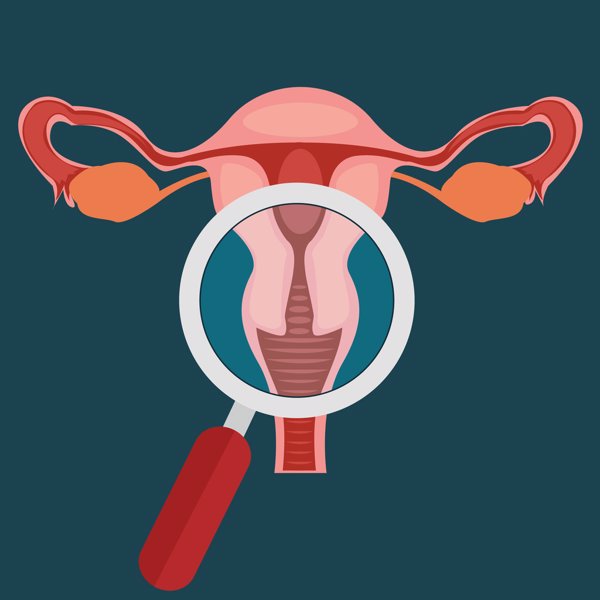
◎ In major cities, many women experience premature ovarian failure. / Image: Panoramic Vision
Is it because healthy women choosing egg freezing want to become single mothers? Not at all.
Ms. Xie, a 32-year-old white-collar worker in Guangzhou, worked her way up from an ordinary clerk to a department director. She has had two relationships but never met the right person to marry, and every Spring Festival, her parents pressure her about marriage. As she gets older, she has also considered egg freezing. "Our generation has a fast-paced lifestyle and significant stress. I'm worried that in a few years, the number and quality of my eggs won't be as good. Freezing my eggs now means I can use them later if I want to have children."
Ms. Xie mentioned that she has a close friend who studied and worked in Canada. This friend had excellent ovarian function and froze 6 of her eggs at age 28. At first, Ms. Xie thought her friend's decision was a bit extreme, but now she completely understands the reasoning.
The awakening of women's independent consciousness has made them unwilling to compromise in marriage, yet the desire to have their own children has become a reluctant choice for an increasing number of older unmarried women. Some career women also wish to "be the master of their own uterus"—preserving their fertility to freely pursue education and careers on their own schedules.
The latest UK research shows that among women opting for egg freezing, 12.7% and 17.5% do so hoping to achieve financial independence and pursue career development, respectively, while 93.9% are actually preparing for future marriage and childbearing, choosing egg freezing out of concern for declining fertility with age.
To unmarried young women, freezing young and healthy eggs is like finding "the world's only regret medicine."
A 27-year-old lymphoma patient froze 10 eggs.
39 Health Deep Breath learned that Guangdong Provincial Reproductive Hospital's Assisted Reproductive Medicine Center has recently received numerous inquiries about egg freezing. Doctors noted that as women's views on fertility evolve, they occasionally encounter single women seeking consultation for egg preservation. While doctors empathize with these women, they can only "politely decline."
Firstly, according to the 2003 "Technical Standards for Human Assisted Reproduction" (hereinafter referred to as the "Standards") issued by the former Ministry of Health, it is explicitly prohibited to implement human assisted reproductive technologies, including egg freezing, for couples or single women who do not comply with national population and family planning regulations.
Secondly, to achieve pregnancy after egg freezing, Intracytoplasmic Sperm Injection (ICSI, second-generation IVF) is required. Under current laws and regulations, medical institutions can only provide assisted reproduction services to married couples. If a single woman freezes her eggs due to medical conditions and later wishes to conceive, she must marry and use her husband's sperm for IVF treatment.
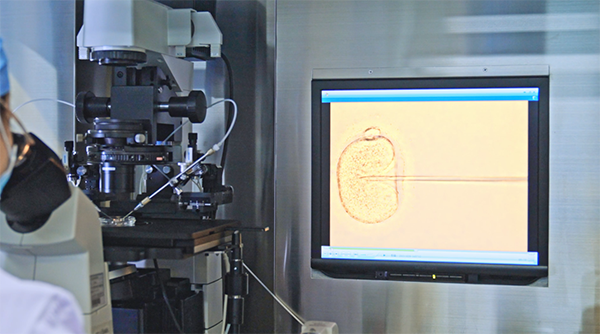
◎ Intracytoplasmic sperm injection. / Photo: Courtesy of the hospital
"So we recommend that people of the appropriate age should try to conceive naturally as much as possible, and only consider egg freezing to preserve fertility under special circumstances," said Shen Xiaoting, Director of the Reproductive Medicine Center at Guangdong Provincial Reproductive Hospital.
A 27-year-old unmarried woman, Xiao C, came to Guangdong Provincial Reproductive Hospital to consult about egg freezing as she needed chemotherapy for lymphoma. "Currently, most people who choose to freeze their eggs at our reproductive center are those who need to preserve their fertility due to conditions like tumors," said Professor Song Ge from the hospital's Reproductive Medicine Center.
After a joint evaluation by oncologists and reproductive specialists, along with relevant ethical discussions, it was determined that patient C met the criteria for oocyte cryopreservation. Subsequently, doctors developed an appropriate ovarian stimulation protocol for her and successfully retrieved 10 mature eggs for freezing. These cryopreserved oocytes could potentially help patient C conceive her own biological child after her lymphoma condition stabilizes.
Currently, egg freezing technology in China is mainly applied to two groups of people: The first is cancer patients undergoing radiotherapy or chemotherapy, as these treatments may cause irreversible damage to fertility, necessitating fertility preservation before treatment; The second is women undergoing IVF who opt for egg freezing when sperm retrieval fails on the day of egg retrieval or when there is a reproductive tract infection.
However, even for malignant tumor patients (including unmarried and married), although egg freezing is available before radiotherapy and chemotherapy, the use of these eggs still requires the patient to be married and in a state where childbirth is permitted by the state.
In China, egg freezing for cancer patients remains in a gray area, with some reproductive centers permitted to perform the procedure. However, providing egg freezing services for women with benign diseases or healthy single women is a "high-voltage line" that reproductive centers dare not casually cross.
It is reported that at Sir Run Run Shaw Hospital, Zhejiang University School of Medicine, unmarried women showing signs of declining ovarian reserve function or already experiencing premature ovarian insufficiency are also eligible for egg freezing.
In the near future, egg bank services may be opened up
Last year, China's National Health Commission solicited expert opinions on lifting restrictions on egg freezing for single women, which was widely interpreted by the public as a potential signal of relaxing assisted reproductive policies and lifting limitations on egg preservation for unmarried women.
During this year's National Two Sessions, proposals from academician Qiao Jie of the Chinese Academy of Engineering and Wu Depei, director of the hematology department at The First Affiliated Hospital of Soochow University, both addressed the orderly opening of egg freezing services for single women—rekindling hopes yet again.
Regarding the prohibition of single women freezing their eggs, the National Health Commission had clearly stated:
Firstly, the use of egg freezing technology poses health risks. As an invasive procedure, egg cryopreservation presents greater technical challenges than sperm freezing and may endanger women's health.
Second, there remains significant academic controversy surrounding the application of egg freezing technology for the purpose of delayed childbearing.
Third, strictly preventing commercialization and safeguarding social welfare are ethical principles that must be strictly followed in the implementation of assisted reproductive technology. Providing assisted reproductive technology as a commodity to healthy individuals beyond medical indications will inevitably lead to profit-driven misuse of the technology.
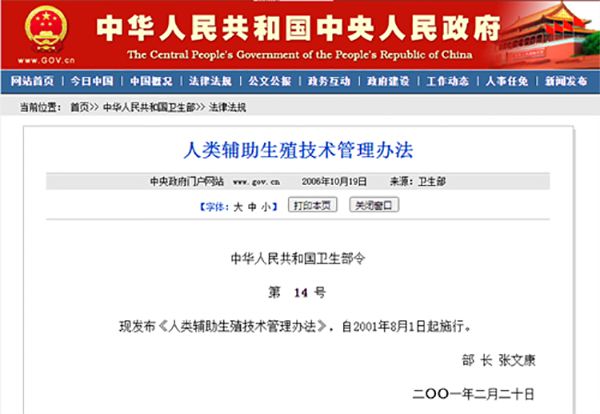
◎Egg freezing is not something anyone can choose at will. / Image: Chinese Government Website
Among these three reasons, the most concerning is the fear of creating loopholes for egg trading and illegal surrogacy, which cannot be left to the discretion of reproductive centers alone. There must be a series of supporting laws and regulations in place to ensure proper safeguards.
As a reproductive specialist, Dr. Shen Xiaoting reminds us: Even if egg bank services become more accessible in the future, women should still pay close attention to the optimal timing for egg freezing. For eligible candidates, freezing eggs before age 35 is recommended. After 35, ovarian function and oocyte quality decline with age, making advanced-age egg freezing inadvisable.
Egg freezing and fertility preservation is a complex process involving oocyte thawing, sperm-egg combination, embryo transfer, followed by pregnancy and childbirth. Studies indicate that the live birth rate from frozen eggs is influenced by age and the number of eggs frozen, with significant individual variations in outcomes. Women under 35 who freeze their eggs have a cumulative live birth rate of 50% - more than double the rate for those over 35 (22.9%).
Based on current clinical experience, an average of 20 frozen eggs may yield one healthy live birth. The utilization rate of oocytes for live births is directly affected by female age: before 35, approximately 15 frozen eggs are needed per live birth; between 35-40 years requires 16-25 frozen eggs; while after 41 years, more than 30 eggs need to be preserved.
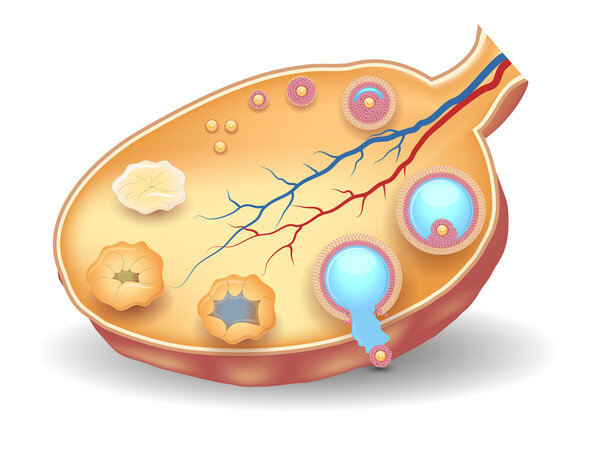
"Frozen eggs for reproduction is a complex process. / Illustration: 123rf"
Compared to sperm freezing for men, the process of egg freezing for women is more complex and carries higher risks. Women first need to undergo hormone injections to stimulate ovulation, and the egg retrieval procedure itself is a surgical operation that may trigger ovarian hyperstimulation syndrome, posing health risks. Moreover, the survival rate of thawed frozen eggs is significantly lower than that of thawed sperm.
Many experts and scholars believe that in the context of national policies encouraging fertility, egg freezing for unmarried women holds positive significance for fertility preservation.
Of course, how to meet the needs of these women and their families while preventing technology misuse and the emergence of gray market chains related to egg freezing requires further discussion and efforts.