What does artificial insemination refer to
Artificial insemination refers to an assisted reproductive technology where male sperm is directly introduced into a female's reproductive tract through medical means, helping couples facing natural conception difficulties achieve their desire for parenthood.
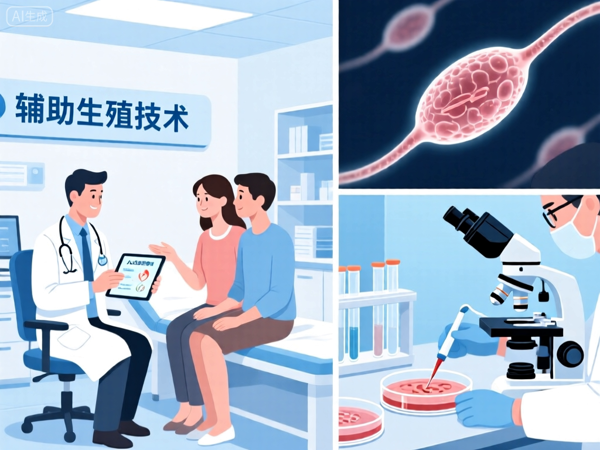
The value of artificial insemination lies in providing hope for couples unable to conceive naturally due to various reasons. It not only addresses infertility issues but also offers many families the opportunity to continue their lineage. Through artificial insemination, numerous couples have been able to have their own children, thereby realizing their life dreams.
The artificial insemination process involves introducing processed sperm directly into a woman's cervix or uterine cavity using medical equipment. This processing typically includes sperm screening to select the most motile and healthy sperm. The procedure requires not only specialized medical equipment and techniques but also guidance and monitoring from reproductive medicine specialists to ensure operational safety and effectiveness.
Following artificial insemination, doctors assess whether the procedure was successful based on the woman's physiological condition and response. If pregnancy is achieved, subsequent steps will include regular prenatal checkups and care to ensure maternal and fetal health. In case of unsuccessful attempts, couples may need to consider other assisted reproductive technologies or seek psychological support to manage potential emotional fluctuations.
[Practical Tips:]
1. Before undergoing artificial insemination, both partners should undergo comprehensive physical examinations to ensure their health conditions are suitable for the procedure.
2. Choose qualified medical institutions and experienced doctors for artificial insemination to improve the success rate.
3. Maintaining good living habits, such as a healthy diet, moderate exercise, and avoiding smoking and alcohol, can help increase the success rate of artificial insemination.
4. Throughout the process, maintain a positive and optimistic attitude while also preparing psychologically for possible failures and challenges.