Can Liver Cancer Be Cured?
Whether liver cancer can be cured depends on multiple factors, including the stage of the cancer, the patient's overall health condition, and the timeliness and effectiveness of treatment.
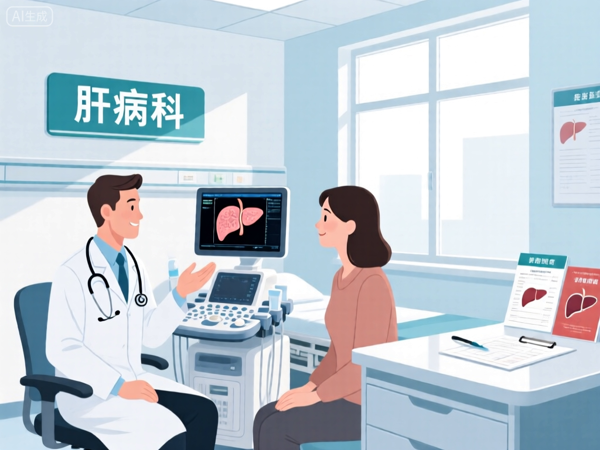
The curability of liver cancer primarily depends on early detection and treatment. In its early stages, liver cancer may not exhibit obvious symptoms, making regular health check-ups and screenings crucial for early detection. Liver cancer is classified into four stages, with stages I and II having relatively high cure rates as the tumors are smaller and have not spread to other organs. Once liver cancer progresses to stage III or IV (advanced stages), treatment becomes significantly more challenging, and the likelihood of a cure decreases accordingly. Treatment methods for liver cancer include surgical resection, liver transplantation, local therapies (such as radiofrequency ablation and microwave ablation), chemotherapy, radiation therapy, and targeted therapy. Each treatment method has its indications and limitations, and doctors will develop a personalized treatment plan based on the patient's specific condition. For example, surgical resection is suitable for early-stage liver cancer cases where the patient has good liver function, while advanced liver cancer may require comprehensive treatment, including chemotherapy, radiation therapy, and targeted therapy. During treatment, patients may face various risks and challenges, such as surgical risks, drug side effects, and treatment resistance. Patients may also harbor misconceptions, such as believing all liver cancer is fatal or that a diagnosis of liver cancer means it cannot be cured. These misconceptions may lead patients to abandon treatment or adopt inappropriate treatment methods. Understanding the treatment options and prognostic factors for liver cancer is crucial for patients and their families.
[Management Tips:]
1. Regularly undergo liver function tests and imaging examinations to detect liver cancer early.
2. Adjust lifestyle habits, including abstaining from alcohol, maintaining a healthy diet, keeping an appropriate weight, and avoiding exposure to hepatitis viruses.
3. Seek medical attention promptly for further examination if experiencing persistent abdominal pain, weight loss, jaundice or other symptoms.