There's a Pain Called Postherpetic Neuralgia
Do you know? There are 4 types of pain in this world that are utterly unbearable: the pain of childbirth, the agony of kidney stones, stubbing your little toe on a hard object, and the torment of wisdom tooth inflammation... Of course, there's also the nerve pain caused by shingles. While the first four are probably familiar to most people, few know about shingles-related neuralgia. Let's learn about it together today.
What is shingles?
Shingles, commonly known as "girdling fire rash" or "encircling snake," is an infectious disease affecting nerves and skin, caused by the varicella-zoster virus. In the general population, about 3-5 people per 1000 develop shingles annually. Once shingles breaks out, it severely impacts patients' normal lives and work.
Since shingles causes so much discomfort, how can one determine if they've contracted it?
What are the symptoms of shingles?
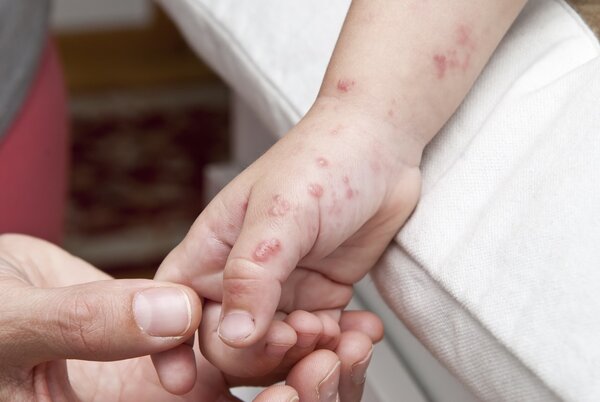
The main symptoms of shingles are pain accompanied by a rash, typically presenting as papulovesicles and blisters. Before the rash appears, patients may experience mild fatigue, low-grade fever, and other systemic symptoms. The affected skin area may feel a burning sensation or neuralgia, with significant pain upon touch. Of course, some cases may present with immediate rash onset without any prodromal symptoms.
Treating shingles itself is not difficult—timely medical treatment is sufficient. However, its complications prove more troublesome than the condition itself.
Postherpetic neuralgia—an unbearably painful complication
Herpes zoster can damage nerves, leading to postherpetic neuralgia. Currently, the exact pathogenesis remains unclear, but it is generally believed to be associated with factors such as the affected area, extent of involvement, delayed treatment, and psychological stress.
Postherpetic neuralgia commonly occurs in the chest and back, but may also affect the head, face, waist, and limbs. Generally, it is treated most frequently in pain management departments, though dermatology and neurology departments may also provide treatment. If diagnosed with postherpetic neuralgia, it is recommended to seek proper treatment at a qualified hospital as early as possible.
If you develop herpes zoster, timely treatment is essential. This not only quickly alleviates symptoms but also reduces the likelihood of related complications.