Constantly Having Pimples and Bumps on the Scalp? It Might Not Be Heatiness – These 3 Diseases Could Be Targeting You
Pimples on the face or body are quite common occurrences.
However, there are some rather unusual bumps that don't appear on the face or body, but stubbornly emerge on the scalp. Often, these "pimples" on the scalp can be extremely painful with just a light touch.
Since scalp bumps aren't as noticeable as facial ones, casually scratching or picking at them might seem harmless enough. Plus, being hidden by hair, many people tend to ignore them altogether.
Here, we want to warn you: this is unacceptable and the consequences can be serious! The bumps appearing on your scalp aren't ordinary acne - they're symptoms of three troublesome medical conditions!
Bumps on your scalp? Three possible culprits you can't ignore
1. Folliculitis
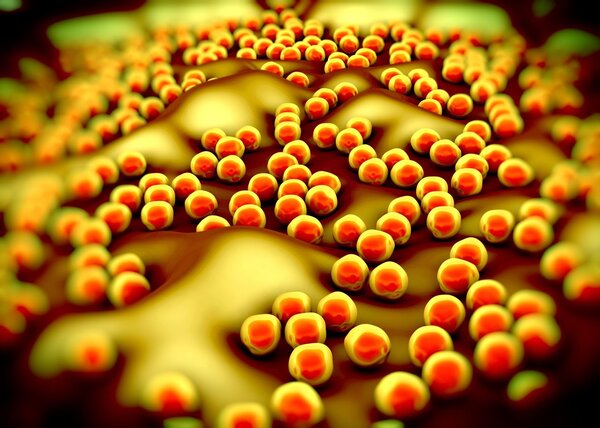
Folliculitis is a suppurative inflammation typically caused by infections from Staphylococcus aureus, Staphylococcus epidermidis, Streptococcus, Pseudomonas, and Escherichia coli-like bacteria. It commonly occurs on the scalp or other hair-dense areas.
When suffering from folliculitis, the scalp develops red and painful boils that may rupture, suppurate, and potentially cause intracranial infection leading to facial swelling.
Adults with compromised immunity or those taking immunosuppressants, as well as individuals frequently exposed to asphalt, mineral oils, or coal tar in their work, are more susceptible to developing folliculitis.
2. Seborrheic Dermatitis
Many people may have heard of seborrheic dermatitis, which is actually a chronic inflammatory skin disease characterized by papules and scales. It typically occurs on the scalp, eyebrows, cheeks, upper chest, groin, and other areas, and may spread throughout the body in severe cases.
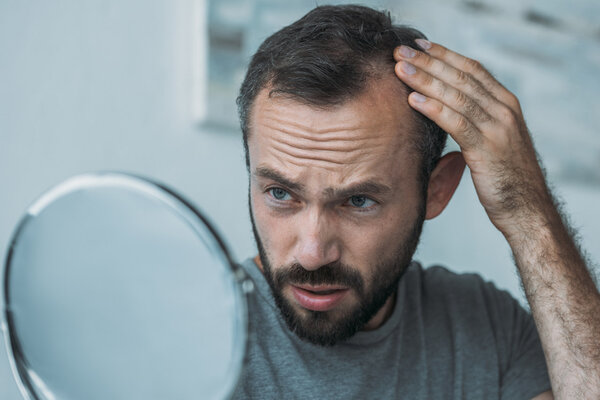
Seborrheic dermatitis presents as well-defined, dark red patches with a slightly yellowish tint, covered with greasy scales or crusts. When it occurs on the scalp, mild cases may cause increased dandruff with slight itching, while severe cases can lead to intense itching, tissue fluid exudation, and even significant hair loss.
Seborrheic dermatitis has a certain hereditary tendency, but people who stay up late for long periods or frequently dye and perm their hair are also prone to developing it.
3. Psoriasis
Psoriasis, commonly known as "oxhide lichen," is an immune-related chronic proliferative skin disorder caused by the combined effects of genetic and environmental factors.
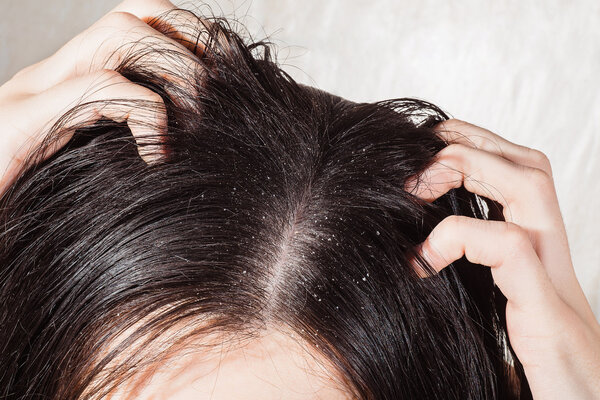
In cases of scalp psoriasis, patients exhibit clearly demarcated red papules, plaques, or maculopapular eruptions covered with silvery-white or pale yellow scales, often distributed along the hairline. The symptoms may somewhat resemble seborrheic dermatitis, but typically don't cause hair loss, requiring careful differentiation.
How should these three scalp conditions be treated medically?
Treatment of Folliculitis: Scalp folliculitis is caused by bacterial infection, so the key to treatment lies in sterilization, antibacterial action, and inflammation reduction. For scalp folliculitis, Huanglian ointment or other ointments with similar effects are typically applied topically to the scalp, supplemented with antibiotics such as roxithromycin, ofloxacin, levamisole, and cefalexin, as well as vitamin B complex medications. For recurrent cases, ultraviolet or ultrashort wave therapy may be used, or placental globulin injections administered intramuscularly.
Treatment for seborrheic dermatitis: Scalp seborrheic dermatitis is generally treated with corticosteroid-containing combination preparations. Ketoconazole shampoos may also be used for scalp cleansing, with strict adherence to the treatment course. For severe scalp itching, oral antihistamines such as chlorpheniramine or loratadine can be administered to alleviate itching symptoms.
Treatment of Psoriasis: During the acute phase of scalp psoriasis, it is best to use gentle emollients such as petroleum jelly or glycerin to relieve symptoms and maintain skin hydration. For the stable and regression phases, topical treatments like tazarotene, medium to high potency corticosteroids, or calcipotriol can be applied to the scalp. These may be supplemented with oral medications such as methotrexate and vitamin A derivatives.
Medication alone is not enough—scalp care should not be overlooked
Scalp issues are not solely caused by medical conditions, and relying only on medication may not yield optimal results. Poor lifestyle habits such as irregular sleep patterns, emotional stress, and inadequate hygiene can also trigger scalp disorders. Therefore, daily scalp maintenance should never be neglected.
Maintaining a regular sleep schedule, staying emotionally balanced, and following a light, fiber-rich diet can effectively regulate the body's endocrine system. When hormonal balance is maintained, the scalp is less prone to oiliness, hair follicles are less likely to become clogged, and scalp disorders—including acne or pustules—are less likely to develop.

Maintaining scalp hygiene by removing excess oil can prevent bacterial growth caused by dirt accumulation. However, avoid washing hair too frequently, refrain from using strongly alkaline cleaning products, and opt for lukewarm water to preserve the scalp's natural oil-water balance.
When the scalp is dry, gentle scalp massage can be appropriately performed to promote blood circulation and enhance metabolic capacity. However, be careful not to scratch forcefully to avoid causing damage.
Maintaining these good habits in daily life can help prevent scalp diseases to the greatest extent. If scalp conditions do occur, avoid self-medicating and seek medical attention promptly to prevent worsening of the condition.