What are the different types of pigmentation? A simple guide to understanding skin pigmentation
Almost everyone will encounter pigmented spots in their lifetime. Pigmented spots are a type of pigmentary disorder skin condition, referring to spots that differ in color from the surrounding skin. While many people know about pigmented spots, not everyone understands the different types of pigmented spots. Let's learn about them together today.]
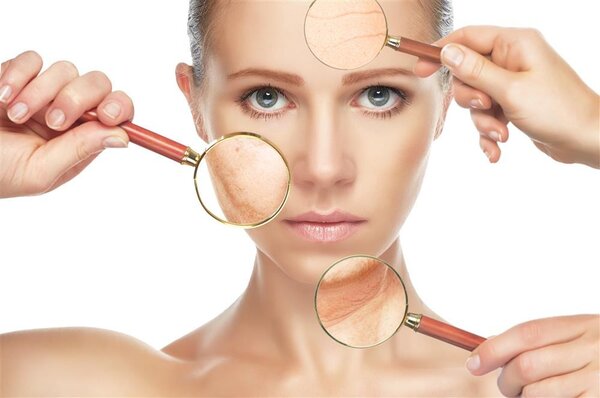
[Did you know? These are the common types of pigmented spots]
[Freckles]
[Freckles typically appear during childhood and are more common in women due to the influence of estrogen. They have a certain hereditary tendency. Exposure to sunlight can gradually darken and increase them - small brown spots scattered across the bridge of the nose and cheeks, usually distributed in a symmetrical pattern.]
Melasma
Melasma, also known as liver spots or butterfly spots, refers to hyperpigmented patches that appear on the face. Factors such as endocrine disorders in women, excessive stress, various diseases, and stimulation from topical chemical medications can all contribute to the formation of melasma.
Age Spots
Age spots, also known as seborrheic keratosis, are commonly seen in middle-aged and elderly individuals. They typically appear as irregular brown macules on both sides of the face.
Having facial pigmentation can significantly impact one's overall appearance, greatly diminishing their beauty. To avoid developing pigmentation, one crucial measure is essential.
Sun protection is truly important in preventing pigmentation
UV radiation is one of the major causes of pigmentation. When going outside, it's recommended to wear a hat and sun-protective clothing to avoid direct skin exposure to sunlight. In daily life, whether it's sunny or cloudy, proper sun protection measures should always be taken. Beyond physical protection, chemical protection is equally important. Purchasing suitable sunscreen and applying it to exposed areas can effectively reduce sun damage to the skin.
Proper sun protection not only prevents existing pigmentation from worsening or multiplying but also helps avoid triggering most acquired pigmentation.
Additionally, it's essential to maintain proper skincare in daily life. Incorrect facial cleansing methods can damage the sebum membrane, making skin vulnerable to external irritants that cause pigmentation. Substandard skincare products may also compromise the sebum barrier. When purchasing skincare products, opt for reputable brands and verify their certifications.