Spring is the peak season for eczema!
Eczema is an immune-related allergic disease. There are many causes of illness, including internal and external factors. Examples include exposure to allergens such as dust mites; consumption of allergenic foods like seafood, nuts, beef, lamb, chili peppers, chives, ginger, and garlic; as well as certain autoimmune disorders and mental stress, excessive pressure, and poor rest, all of which can make patients prone to eczema.
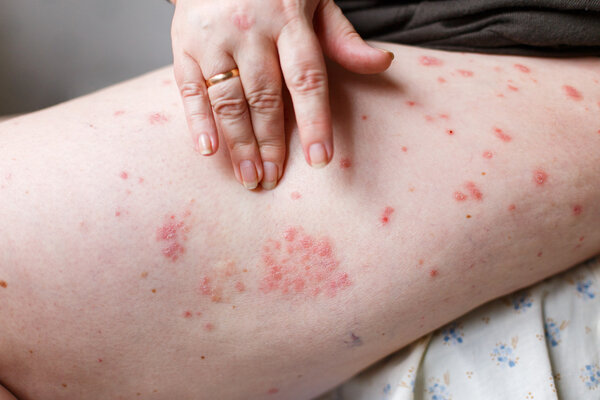
Spring is a high-incidence season for eczema, primarily due to the abundance of allergens such as willow catkins, pollen, microorganisms, insects, and pet dander and secretions. Furthermore, the humid climate in spring makes eczema more likely to recur.
Many eczema patients experience itching symptoms after contracting the disease. When bathing, they often prefer to wash the affected area with hot water and take unusually long showers, believing this can alleviate symptoms. In fact, eczema patients should not bathe for more than 10 minutes at a time.
Recent studies have found that eczema is associated with a deficiency of filaggrin in the skin. Filaggrin plays a crucial role in the skin’s barrier function. Once deficient, the skin becomes particularly "vulnerable," and when exposed to environmental irritants, allergens can easily invade, leading to eczema.
So why should eczema patients limit their bathing time to under 10 minutes? Prolonged bathing can easily lead to dry skin, which causes itching and may worsen eczema symptoms.
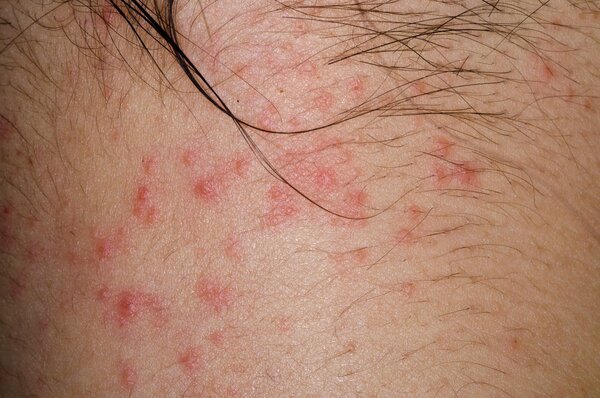
Additionally, eczema patients should pay attention to the following precautions when bathing:
1. Avoid frequent bathing
In winter, there's no need to bathe too frequently - once a day is usually sufficient. Excessive bathing damages the lipid layer of the skin, leading to dryness. If your skin isn't particularly dirty, you can reduce or skip cleansing products, but be sure to apply generous amounts of moisturizer after bathing to help maintain skin hydration.
2. Water temperature should not be too hot
A hot shower can be very comfortable, but water that's too hot can easily cause skin to become dry and even flaky. Maintaining water temperature at 35-40℃ is ideal, especially for showering where temperature control is particularly important.
3. Avoid vigorous scrubbing
Excessive scrubbing can easily damage the skin. Avoid using rough bath towels; instead, use a bath sponge with foam to gently remove dirt from the body surface.
Additionally, it is advisable to avoid using soaps or shower gels containing colorants or fragrances when bathing. After showering, applying moisturizing cream can help prevent moisture loss. Normally, be careful not to scratch eczema, and treatment should be conducted under a doctor's guidance - do not arbitrarily use ointments without professional advice.