Continue Hot and Humid Weather Leads to 20% Surge in Dermatitis Cases - Experts Warn: Manage Your Environment and Diet, Avoid Self-Medication
"After finishing dinner at home on Saturday, I felt an itch on my legs. Even after scratching, it kept itching! I thought 'How could mosquitos be this vicious?' When I looked down, I realized I had developed a rash on my legs!" said 30-year-old Ms. Zhang, who remains distressed as the red rashes on her legs continue to itch unbearably.
Yesterday, reporters from Jimu News learned from multiple hospitals in Jiangcheng that since the start of summer, with rising temperatures and extreme weather bringing heavy rainfall, the hot and humid conditions have led to at least a 20% surge in patients with dermatitis, eczema, and similar conditions.
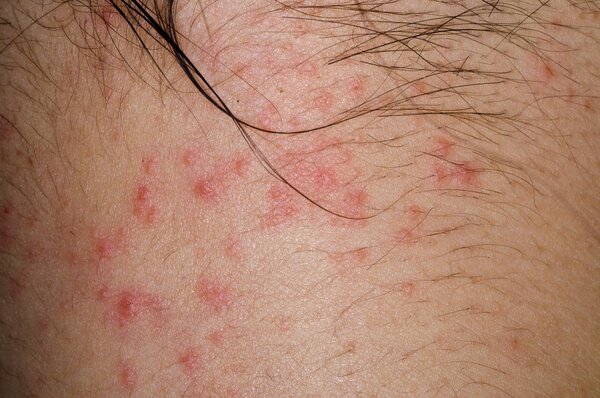
Just changed the bedding, and arms turned red and itchy
Last Saturday, 29-year-old Ms. Wu took advantage of the weekend to switch to thinner beddings at home. "Normally, I would sun-dry them before use, but it's been raining nonstop, and the spring bedding became unbearably hot, so I just put the new one on directly," she said. Confident in her storage habits—keeping beddings sealed with dehumidifiers in the closet—she thought it would be fine. However, after just one night with the new bedding, she spent all of Sunday feeling discomfort in both arms, which turned red when scratched. Yesterday morning, she woke up to find clusters of small red rashes covering both arms, alarming her into taking emergency leave to visit the dermatology department at Hubei Third People's Hospital (Zhongshan Hospital). After careful examination, doctors attributed her condition to mite allergy-induced dermatitis.
"Recently, patients with dermatitis and eczema have increased by at least 20% compared to earlier." Yang Song, director of the Dermatology Department at Hubei Third People's Hospital (Zhongshan Hospital), explained that with high humidity and temperatures, mites, mosquitoes, and rove beetles have become very active, causing numerous skin issues. "Just for dermatitis alone, we're seeing cases of photosensitive dermatitis, rove beetle dermatitis, and insect bite dermatitis, with significant increases in patients from various causes."
Manage the Environment and Diet—Avoid Self-Medication
On arms, legs, necks, faces... The Jimu News reporter noticed that many people are "showing off rashes" on social media platforms. Some said they develop small red bumps every May, while others reported red dots covering their arms after a heavy rain... These skin rashes may not seem severe, but the itching is unbearable, and scratching can lead to broken skin and bleeding. Some netizens even remarked, "Every May is like this—when 'magical May' arrives, I tremble in fear." Alongside these rash posts, various medicated liquids and ointments are also selling like hotcakes online.
Song Jiquan, director of the Dermatology Department at Wuhan University Zhongnan Hospital, noted that the humid and stuffy weather in May indeed tends to trigger skin problems. He has observed a clear rise in patients recently. "This season typically sees a peak in clinic visits."
Yang Song suggested that citizens can start with their living environment to reduce the likelihood of skin problems. "Mosquito nets can be put to use. When going to places like the suburbs, it's best to wear long sleeves and pants to minimize skin exposure. If changing seasonal bedding, items should be sun-dried or scalded before use. Shoes, especially canvas shoes and sandals, should also be thoroughly cleaned before wearing." Additionally, this is the peak season for tropical fruits like mangoes and durians, as well as crawfish. "People prone to dermatitis or eczema must control their diet."
Song Jiquan stated that for acute dermatitis, prompt medical attention should be sought to identify triggering factors for targeted treatment. For chronic dermatitis, consistent and standardized treatment is essential to control the condition.
Experts remind that when dealing with irritating dermatitis, citizens should avoid self-medication. Firstly, improper treatment not only proves ineffective but also adds burden to the skin. Secondly, medication may mask symptoms, making it difficult for doctors to make an accurate diagnosis. Particularly concerning corticosteroid ointments, while they may show quick results, prolonged use is not recommended as it can easily lead to issues like pigmentation. For any skin problems, it's best to seek treatment at a reputable hospital and use medication under medical supervision.