Skin Cancer is Good at "Disguise": Be Alert to 3 Abnormal Signs as Cancer "Alarms"
Mr. Lu had a "mole" on his left cheek since his youth, which he proudly called his "wealth-attracting mole" and never considered removing.
However, recently Mr. Lu noticed his "wealth-attracting mole" appeared to be growing larger and darker in color. Concerned about potential issues, he decided to seek medical examination.
The attending doctor observed Grandpa Lu's "wealth-attracting mole" and noticed it had uneven pigmentation with a spherical shape, indicating a potential risk of malignant transformation. The doctor recommended surgical removal followed by pathological examination.
Grandpa Lu was initially reluctant: "This mole brings me good fortune—how can I just remove it? Such a small mole can't be that serious." However, after the doctor's patient explanation, he finally agreed to the procedure. The excised tissue was sent for pathological testing, confirming the diagnosis of basal cell carcinoma—consistent with the doctor's initial suspicion.
1. How much do you know about the "disguise master" of skin cancer?
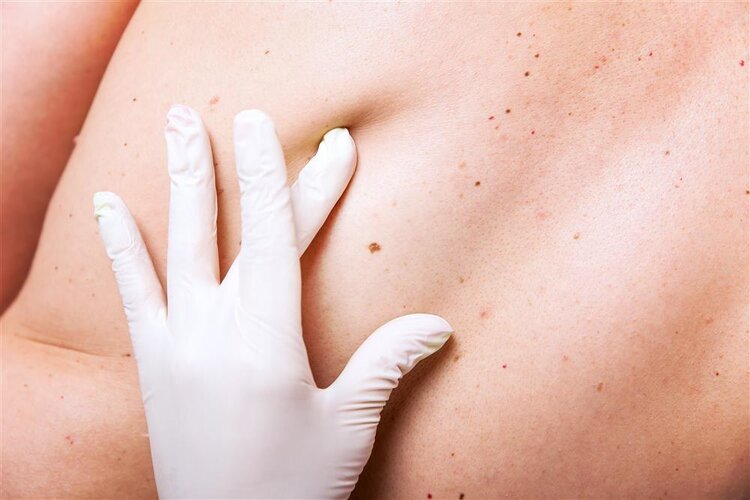
Basal cell carcinoma (BCC) is one of the most common skin tumors. Composed of basaloid cells resembling the epidermal basal layer or appendages, it predominantly affects fair-skinned middle-aged individuals. Frequently appearing on the face, ears, back of hands, forearms and other sun-exposed areas, BCC is characterized by low malignancy, slow growth, and rare metastasis. Since most BCC lesions in Chinese individuals appear black or brown—mimicking pigmented nevi ("moles")—they are often mistaken for benign moles during early stages. This frequently leads to misdiagnosis, delayed detection, and missed optimal treatment windows.
Besides basal cell carcinoma, common types of skin cancer also include squamous cell carcinoma and melanoma. Unlike mild basal cell carcinoma, squamous cell carcinoma can invade surrounding tissues or metastasize to lymph nodes, thereby becoming life-threatening. The famous TV host Zhao Zhongxiang passed away just one month after being diagnosed with squamous cell carcinoma.
Melanoma is the most aggressive type, with insidious onset and extremely high malignancy that progresses rapidly. It typically evolves from a small "mole" through active proliferation of nevus cells, followed by atypical changes and malignant transformation, eventually developing into melanoma.
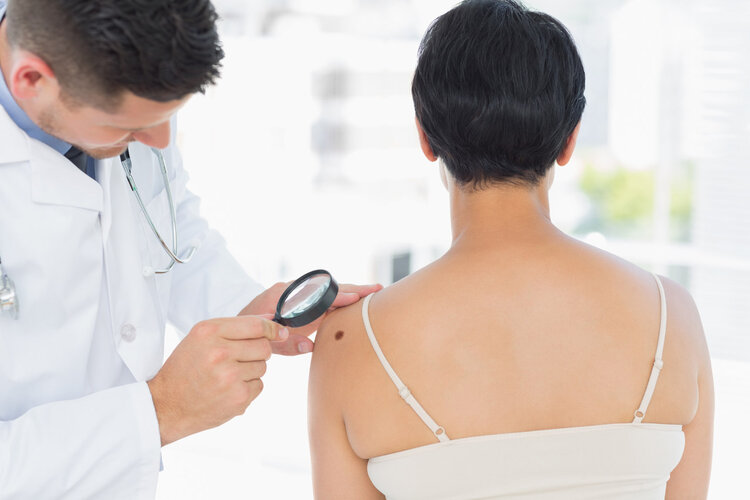
Overall, the prognosis of skin cancer relates to tumor type, location, size, depth, and presence of metastasis. Early detection and diagnosis can lead to good prognosis for most patients. Therefore, timely recognition of "cancer warning signs" is crucial.
II. Three skin changes that may signal cancer
The skin is the body's largest protective layer. If you notice these 3 changes, be cautious as they may be warning signs of cancer.
1. Red patches with lumps
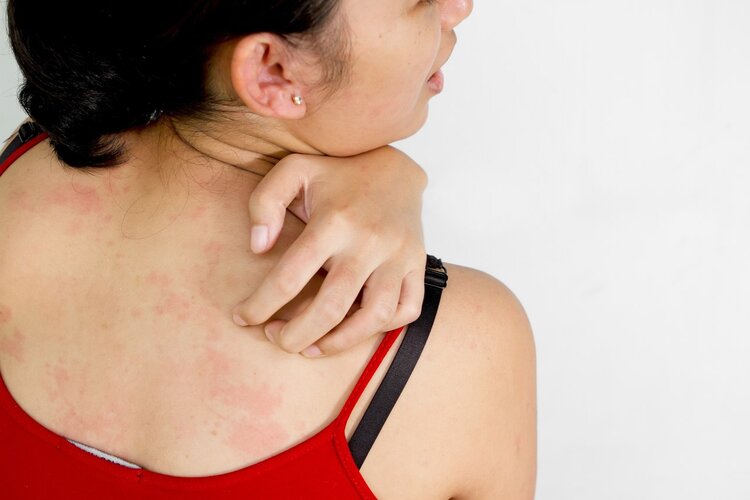
The appearance of unexplained dark red lumps on the skin that are neither painful nor itchy, or primary skin lesions that fail to heal over an extended period, may signal abnormally active proliferation of cancer cells lurking in the body.
2. Changes in pigmented moles
Pigmented nevi, commonly known as ordinary "moles," are benign tumors of the melanocyte system that most people have. If a pigmented nevus remains stable for a long time without significant changes, there is no cause for concern, as it generally does not affect health. However, if a mole suddenly enlarges, develops irregular borders, uneven coloration, hardens in texture, or shows abnormal changes such as scaling, erosion, or bleeding, one should be alert to the possibility of malignant transformation.
3. Persistent itching
In the absence of external irritation or drug allergies, persistent localized itching or unexplained rashes on the skin may also be a sign of skin cancer. Cancer cells in the body produce histamine and other biologically active substances that reach the skin through blood circulation, continuously stimulating nerve endings and ultimately leading to severe itching.
In short, the skin can be the first indicator of cancer in the body. Many people overlook changes in their skin and sometimes even ignore tumor signals, often rushing to seek medical attention only when the cancer has progressed to mid-to-late stages. This easily leads to missing the optimal treatment window and negatively impacts survival rates. Therefore, if unexplained skin abnormalities are detected, it's crucial to stay vigilant, seek prompt medical attention, and identify the underlying cause.
III. Three Essential Practices for Preventing Skin Cancer
When it comes to cancer, prevention outweighs treatment. Although the incidence rate of skin cancer in China is relatively low, due to the massive population base, the annual number of new skin cancer cases in our country is no less than that in Europe and America. Moreover, both the incidence and mortality rates have shown an upward trend in recent years, posing a significant threat to public health.
Studies indicate that skin cancer predominantly affects individuals with a history of severe sunburns, family history of skin cancer, multiple pigmented moles across the body, chronic superficial inflammation or ulcers, and frequent sunbathers. These high-risk groups should pay extra attention to skin cancer prevention in their daily lives.
Of course, the general population should also remain vigilant. To prevent skin cancer, it's crucial to consistently adhere to these three practices:
1. Avoid prolonged sun exposure
Research has found that prolonged ultraviolet (UV) radiation exposure is closely related to the occurrence of skin cancer. The photochemical action alters the DNA structure of cells while destroying the active antigen structures on the surface of lymphocytes, weakening the body's immune function. Combined with other carcinogenic factors, this ultimately leads to the development of skin cancer.
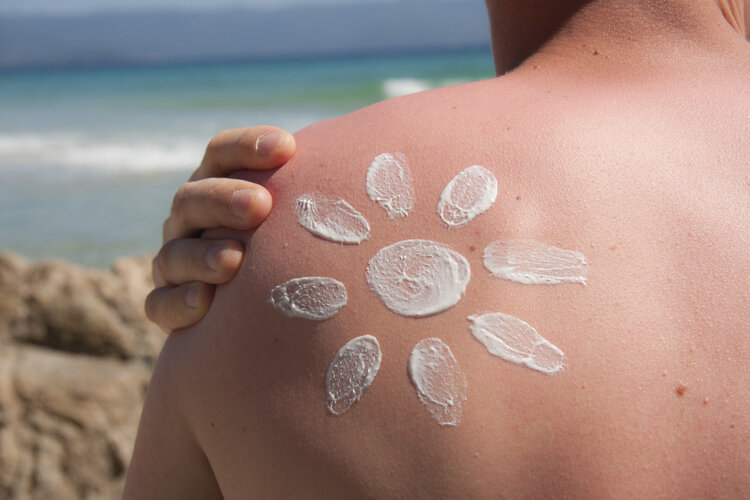
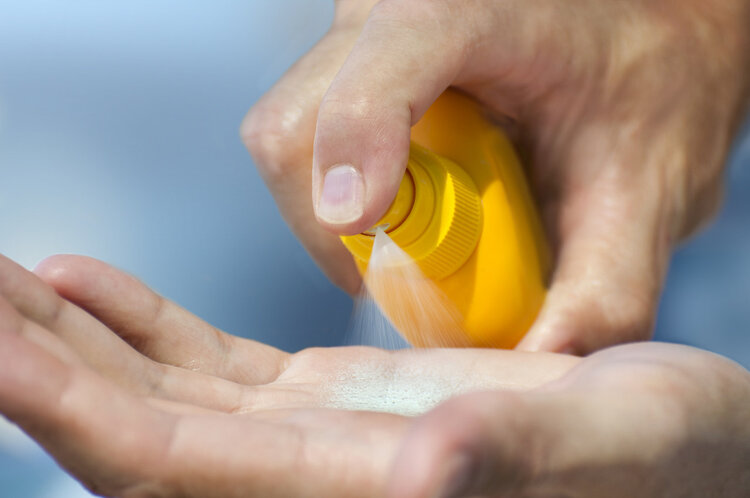
Therefore, in daily life, it is essential to avoid prolonged exposure of the skin to direct sunlight, especially during outdoor work or recreational activities. It is advisable to wear sun-protective clothing and apply sunscreen to minimize UV damage to the skin.
2. Appropriate supplementation of natural vitamin A
A 26-year study conducted by Brown University involving 120,000 participants found that subjects with the highest intake levels of vitamin A had a 17% lower risk of skin cancer compared to those with the lowest intake levels.
Researchers suggest that appropriately increasing the proportion of vitamin A-rich fruits and vegetables like carrots, broccoli, and sweet potatoes in one's diet may help the body generate new skin cells, potentially protecting against carcinogenic risks from UV radiation.
However, it's worth noting that the study recommends obtaining vitamin A from natural fruits and vegetables, as excessive supplementation through supplements or animal-based foods may not yield the same benefits and could instead lead to symptoms such as nausea and liver toxicity.
3. Try to avoid exposure to harmful chemicals
Studies have found that arsenic exposure is associated with various cancers, including skin cancer. Arsenic is not only a common component in many pesticides and herbicides but is also used in pressure-treated wood. People who use pesticides and herbicides, work in smelters, or even live near smelters may frequently come into contact with arsenic, inadvertently increasing their risk of developing skin cancer.
Therefore, to prevent skin cancer, it is essential to avoid and stay away from harmful chemicals as much as possible. If complete avoidance is not feasible, be sure to take protective measures.
Summary: In fact, many people lack sufficient understanding of skin cancer, often mistaking its early signs for minor issues and failing to seek timely treatment, which ultimately leads to disease progression. After reading this article, we hope you gain valuable insights on protecting skin health, enhancing awareness of skin cancer prevention, and staying away from this disease.