Why Are More and More People Getting Uremia? A Reminder Again: 3 Foods to Avoid for Kidney Health
The 63-year-old Mr. Guo never really slowed down after retirement. A diligent man by nature, he would finish farm work at home and then look for odd jobs in the neighborhood to keep busy.
Mr. Guo had always been in good health with a strong constitution - eating and sleeping well. He particularly enjoyed salted fish and braised pork. He would often steam a plate of salted fish that could last him several days, and could eat multiple bowls of rice with just one serving of braised pork. Preferring preserved foods, he favored strong flavors - sometimes even adding a block of fermented bean curd when eating noodles...
In March of this year, Mr. Guo began experiencing whole-body itching. Initially thinking it was an allergic reaction to dust at the construction site, he paid little attention to it and only applied some antipruritic cream prescribed by the local clinic.
However, the itching showed no signs of relief. Within less than a week, Mr. Guo was suffering from severe full-body itching and even scratched his skin raw trying to stop the itch, leaving scratch marks all over his body.
His wife worried that continued scratching might lead to a full-body infection, so she took Mr. Guo to the county hospital for examination. The test results showed: Mr. Guo had low blood phospholipid levels, and his skin itching was likely caused by kidney disease—with initial suspicion pointing to uremia.

I. Why are there increasing numbers of uremia patients? Mostly self-inflicted.
According to the latest survey, up to 10.8% of adults in China suffer from chronic kidney disease, and even more alarming, 1 million of these cases involve uremia patients.
Uremia is not an independent disease but rather a clinical syndrome common to various end-stage kidney diseases. It represents a series of manifestations of systemic "poisoning" when chronic renal function reaches its terminal stage.
Uremia does not mean toxins are present in the urine. Once it occurs, its "toxicity" can spread throughout the body, causing cardiovascular diseases, digestive system disorders, hypothyroidism, respiratory diseases, and encephalopathy.
Uremia is a multifactorial disease. According to the four major causes of uremia identified in the United States, they are diabetic nephropathy, hypertensive nephropathy, glomerulonephritis, and polycystic kidney disease.
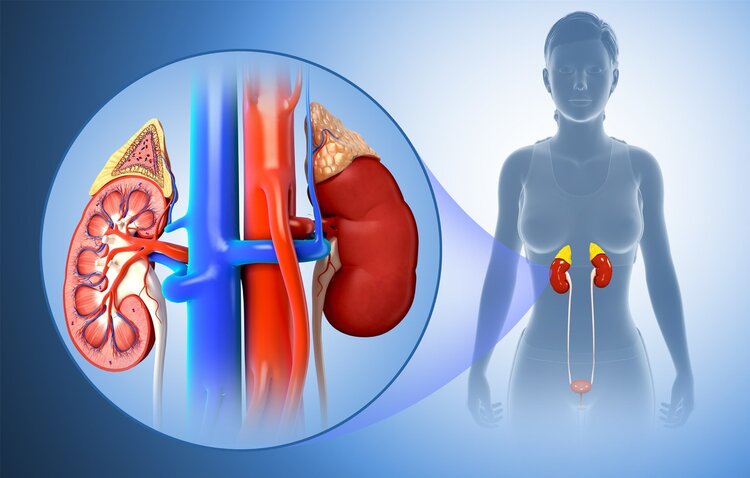
Furthermore, many cases of uremia are actually self-inflicted:
1. Smoking: Research shows that smoking has significant nephrotoxic effects, affecting renal hemodynamic structures, increasing urinary protein excretion rates, and consequently impairing kidney function.
2. Sleep Deprivation: About 13% of kidney genes are related to circadian rhythm and sleep. Although the kidneys maintain bodily functions 24/7, they also operate on a "biological clock." At night, only part of the blood flow remains on "night duty," with reduced efficiency. Staying up late forces the kidneys to "work overtime," leading to kidney damage.
3. Misuse of medications and supplements: The kidneys are metabolic organs that process everything we ingest, whether food or medication. Certain drugs actually contain trace amounts of toxicity, and some traditional Chinese medicines containing aristolochic acid also have nephrotoxicity. Unauthorized misuse may easily lead to kidney poisoning.
4. Frequent urine retention: Holding urine can easily cause bladder damage. When urine remains in the bladder for prolonged periods, it facilitates bacterial growth. If the urine flows back into the ureters and kidneys, it can cause kidney infections, leading to urinary tract infections.

II. These 4 skin manifestations may signal kidney failure
Many people think of skin merely as the body's outer covering, but in fact, it is our largest organ and the immune system's first line of defense. Any abnormalities in the skin may potentially indicate kidney disease.
1. Skin itching
Itching is one of the most common skin lesions in kidney disease, severely affecting patients' sleep, mood, etc. The cause of skin itching may be related to hyperphosphatemia. During episodes, patients experience unbearable itching, often scratching their skin intensely, which can lead to infections.
2. Uremic "frost"
Uremic "frost" refers to the appearance of white to brownish granules on the skin surface, which are crystalline deposits of urea from sweat. These often appear on the skin surfaces of the nose, neck, and other areas.

3. Pigmentation
Some kidney patients may experience pigmentation complications, commonly with noticeably darker skin tones on palms, toes, and mucous membranes. This may be related to the accumulation of certain middle-molecular-weight metabolites in the epidermal layer of the skin.
4. Fish-like Scales on Skin
Uremic patients often suffer from xerosis, displaying fish-like scales on their skin, which may be associated with reduced water content in the epidermis and atrophy of sebaceous glands.
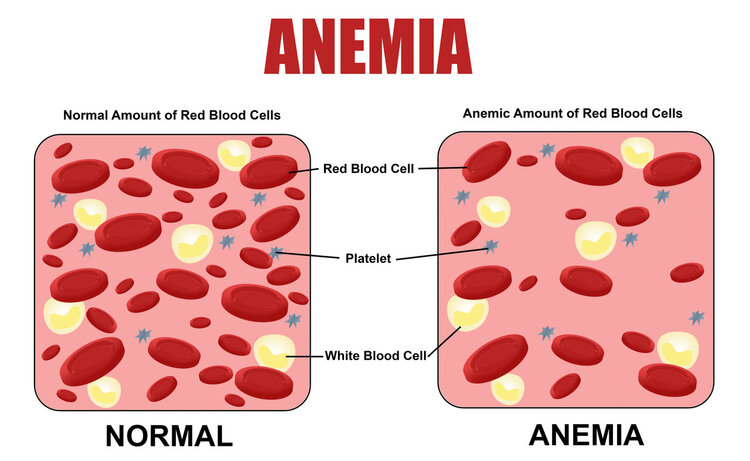
In addition to the above symptoms, uremia patients commonly experience abnormal urination, frequent nocturia, or the presence of proteinuria and hematuria; body edema due to kidney damage causing water and sodium retention; loss of appetite as renal dysfunction affects gastrointestinal function; dizziness and blurred vision caused by reduced erythropoietin secretion due to kidney damage, leading to decreased red blood cell production and resulting in anemia.
Thirdly, These 3 Foods May Accelerate Uremia Progression - Remove Them from Your Diet Sooner Rather Than Later
Diet can also accelerate the progression of uremia. Some seemingly "harmless" foods may actually be "poison" that speeds up kidney failure for renal patients.
1. High-salt foods
Moderate salt intake is beneficial to the body, but excessive consumption can increase the metabolic burden on the kidneys, leading to electrolyte imbalance and water retention, thereby further increasing kidney workload.
2. Carambola (star fruit)
Star fruit, with its sweet and sour taste, is a favorite fruit for many people. However, it also contains a significant amount of neurotoxins. Even for people with healthy kidneys, excessive consumption can cause acute kidney failure, let alone patients who already have kidney problems.
3. Foods high in phosphorus
Phosphorus in the human body needs to be excreted through the glomeruli. Consuming foods excessively high in phosphorus, such as animal organs, egg yolks, and nuts, is bound to increase metabolic burden.

Uremia is closely related to daily lifestyle habits. To prevent the disease, it's essential to cultivate the habit of drinking water proactively at all times; adjust your routine to maintain regular sleep before 23:00 each night; reduce sedentary behavior and stay active through exercise to boost immunity, accelerate blood circulation, and thereby enhance kidney function.