Athlete's foot, dermatitis, and eczema—all cause itching, but their treatments differ dramatically!
Athlete's foot, dermatitis, and eczema are three distinct skin conditions, each with unique causes and manifestations.
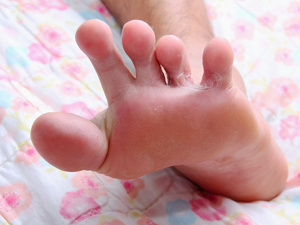
Understanding the differences between these skin conditions helps us better prevent and treat them, avoiding confusion that may lead to misdiagnosis and improper treatment. By distinguishing between them, we can more accurately identify symptoms, choose appropriate treatment methods, and ultimately improve quality of life.
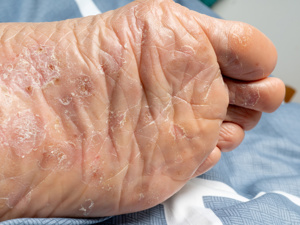
Athlete's foot, also known as tinea pedis, is a common skin disease caused by fungal infection. Dermatitis refers to a broad category of skin inflammation that can result from various factors, including contact irritants and allergens. Eczema, on the other hand, is a common chronic inflammatory skin condition typically characterized by dry skin, erythema, papules, and blisters. Although these conditions all affect the skin, their causes, symptoms, and treatment methods vary significantly.
When dealing with these skin conditions, it is essential to recognize their specific manifestations and underlying causes to adopt appropriate preventive measures and treatment approaches. At the same time, it is also important to avoid self-diagnosis, as this may lead to misdiagnosis or delayed treatment. In practice, understanding the differences among these conditions helps us communicate more effectively with doctors, ensuring accurate diagnosis and appropriate treatment recommendations.
[Practical Tip:]
1. Maintaining personal hygiene and keeping feet dry and clean can effectively prevent athlete's foot.
2. Avoiding contact with known allergens or irritants helps reduce the occurrence of dermatitis.
3. Keeping skin moisturized and avoiding dryness can alleviate symptoms of eczema.
4. When skin problems arise, seek medical attention promptly for professional diagnosis and treatment by a doctor.