Can Women Also Experience "Dysfunction"? Sexual Dysfunction is Not Exclusive to Men and Should Be Taken Seriously
"Hello Xiao Jiu, I'm over 25, newly married to my husband. I was a virgin before marriage, so my first time was after our wedding. But I experience unbearable pain down there every time we try to be intimate. We've never successfully consummated our marriage. What should I do..."
We received a message from a fan about pain during sexual intercourse. Aside from the pain, various other issues may arise during intimacy—
"I feel dry during intercourse, and my husband has difficulty entering. Is there any solution for this?"
"As a woman, I've never experienced orgasm. Is this a medical condition?"
"He finishes in seconds every time, I don't feel anything at all. Am I sexually frigid?"
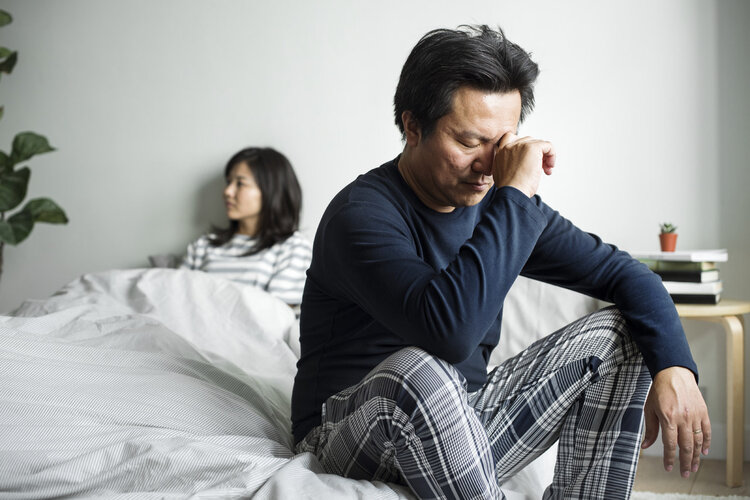
1. Research Findings: Over Half of Women Experience Sexual Dysfunction
Sexual life quality is an integral part of marital harmony. When it comes to sexual dysfunction, many assume it's exclusively a male issue. However, women also experience sexual dysfunction, and not just occasionally.
International data reports indicate that the prevalence of female sexual dysfunction in the United States is approximately 43%. Meanwhile, a study in China involving 14,554 women found a prevalence rate of 53% for sexual dysfunction.
Female sexual dysfunction primarily refers to disorders or distress related to one or more stages of the sexual response cycle, which can generally be categorized into four conditions: sexual desire disorders, orgasmic disorders, arousal disorders, and sexual pain disorders.
Chen Yueyue, Deputy Director of the Rehabilitation Center at the Department of Obstetrics and Gynecology of West China Second University Hospital, stated that the causes of female sexual dysfunction are complex, including psychological factors, age, pregnancy and childbirth, and marital relationships, all of which can contribute to the occurrence of sexual dysfunction.
Director Chen believes that if you discover you have sexual dysfunction, you shouldn't feel embarrassed to talk about it. By identifying the corresponding causes, medical solutions can be employed to help restore your condition and regain sexual happiness.

2. Most Women Have Never Experienced "Orgasm"
According to the "2019 Report on the Sexual Status of Young People in China," only 12.7% of women experience orgasm every time they engage in sexual activity. The majority of women report rarely reaching orgasm, with 8.4% even stating they have never experienced it at all.
In heterosexual relationships, most women resort to "faking orgasms."
Professor Pan Suiming, Director of the Institute of Sexuality and Gender Studies at Renmin University of China, pointed out in the research report "Providing Historical Evidence for 'Complete Sexuality'" that less than 15% of women can reach orgasm every time during sexual activity, while half of women are merely performing along (faking orgasms).
Meanwhile, the international Hite Report provided a "faking" statistic of 67%.
Why is it difficult for women to experience sexual pleasure?
Female orgasmic dysfunction mainly manifests in two scenarios: primary anorgasmia, where no method can achieve orgasm (an inherent condition with no solution); and secondary orgasmic dysfunction, where women previously experienced orgasms but later lost the ability due to various reasons.
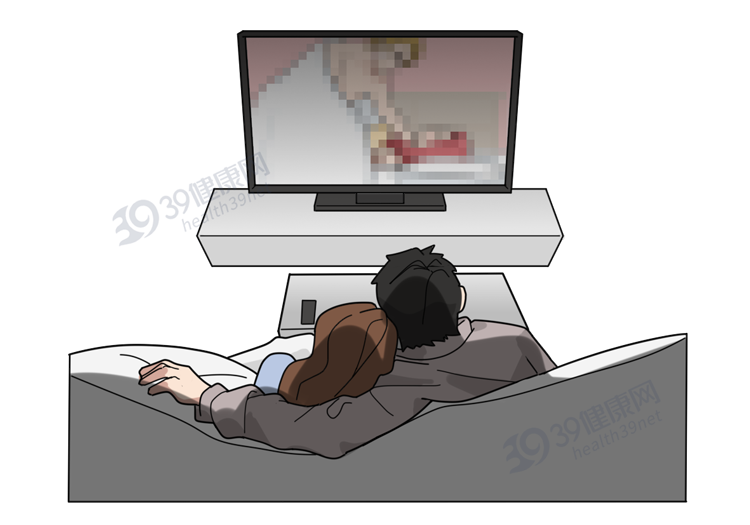
Certainly, aside from women's own physical or psychological factors, some causes are attributable to men, such as perfunctory foreplay, insufficient performance by the man, or focusing only on their own pleasure.
Of course, women can also achieve pleasure on their own. Apart from vaginal orgasm, there is another method—clitoral orgasm.
The clitoris is located above the urethral opening, near the junction of the labia minora, and resembles a small pea in shape. Don’t underestimate this "bean"—it is actually the most sensitive area in women, containing over 8,000 sensory nerve endings, making it highly responsive to pleasure.
In terms of sensitivity, the clitoris is more sensitive and direct compared to the vagina. In fact, the source of vaginal orgasm also stems from indirect stimulation of the clitoris.
It can be said that clitoral stimulation produces far more orgasms than direct vaginal penetration.
3. Pain during intercourse or difficulty with penetration? May indicate 5 conditions
Dyspareunia refers to a condition characterized by recurrent or persistent pain in the vulva, vagina, or lower abdomen during intercourse, which is the most common type of female sexual dysfunction.
What are the possible causes of dyspareunia?
1. Perineal laceration
Beginners on the road may experience tearing-like pain or even bleeding in the perineum due to improper positioning, incorrect angles, or inadequate foreplay.
2. Abnormal Vulvar Development
Primarily involves abnormal hymen development, such as imperforate hymen or excessively rigid hymenal tissue. These conditions can prevent menstrual blood from being discharged, causing its accumulation in the vagina and resulting in painful sexual intercourse for women.

3. Vulvar inflammation
Inflammation caused by stimulation from vaginal secretions, physical or chemical factors can lead to vulvar congestion, edema, and fragile skin mucosa, resulting in pain during intercourse.
4. Vaginal spasm
During sexual intercourse, involuntary and persistent intense contractions of vaginal and pelvic floor muscles occur, causing surrounding muscles to contract and narrowing the vaginal opening.
5. Pelvic inflammatory disease
It is a group of infectious diseases that includes endometritis, salpingitis, tubo-ovarian abscess, etc., which can cause pelvic pain and dyspareunia.

Many women suffer from sexual pain, but due to reluctance to seek medical help, the pain remains unaddressed, leading to a vicious cycle that affects both psychological well-being and physical health. Therefore, when discomfort is noticed, timely consultation with specialists for targeted treatment is the key solution.