Men's Private Parts Need Regular Cleansing for Better Health! How Should Men Clean Their Private Areas? These 3 Key Points Are Crucial
Mr. Liu has been quite troubled lately. Despite staying in an air-conditioned room, both sides of his scrotum remain persistently damp, accompanied by itching and an unpleasant odor. If he doesn't wash his underwear for a day, the smell becomes even stronger.
Damp scrotum may seem like a minor issue, but it bothers many men. After all, no one likes that clammy feeling, especially when it might indicate an underlying disease. So what exactly causes scrotal dampness? Does it require serious attention?

I. Moist Male Genital Area: A Potential Health Warning Sign
As the protective outer structure of male reproductive organs, the scrotum possesses unique thermoregulatory functions to maintain optimal conditions for sperm survival. Its heat-expansion and cold-contraction capability adjusts internal temperature by bringing testes closer to or farther from the body. In cold conditions, scrotal skin contracts and thickens to draw testes nearer for warmth. Conversely, in hot environments, the skin relaxes and thins to position testes farther away for heat dissipation.
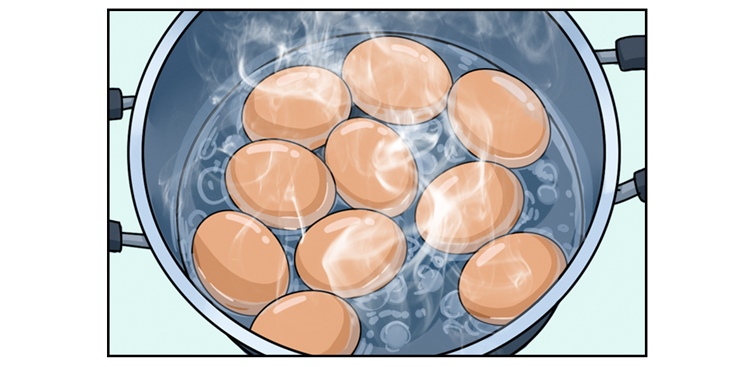
Scrotal moisture primarily relates to sweat gland activity. When scrotal temperature rises, sweat glands secrete perspiration to facilitate cooling. However, if sweat fails to evaporate promptly, it causes dampness. Additionally, bacterial infections in the scrotum may lead to moisture retention, creating a persistent damp sensation.
The moistness of the scrotum can generally be categorized into physiological and pathological types. Physiological moisture is a normal phenomenon and should not cause excessive concern. However, pathological moisture may be associated with certain diseases and requires attention.
1. Scrotal eczema
Caused by skin irritation from sweat and dirt, this is the primary reason for scrotal moisture and itching.
2. Chronic prostatitis
Common male diseases mainly manifest as frequent urination, urgency, and difficulty in urination, often accompanied by scrotal moisture, which is related to prolonged sitting and poor lower limb blood circulation.

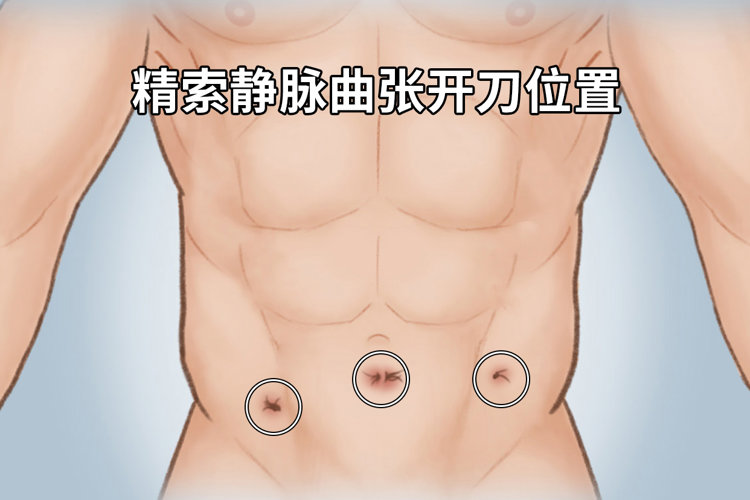
3. Varicocele
Due to increased blood flow leading to elevated scrotal temperature, it may cause increased sweating, resulting in scrotal moisture.
To address or alleviate scrotal moisture, men are advised to maintain scrotal cleanliness and dryness, avoid prolonged sitting, promote lower limb blood circulation, and seek medical examination when persistent discomfort occurs.
2. Men Should Also Prioritize Genital Hygiene
Maintaining genital cleanliness is crucial for men. The male external genitalia—including the penis, scrotum, foreskin, and glans—naturally produce secretions and are prone to external contamination. Prolonged lack of hygiene can easily lead to conditions such as urethritis, balanitis, scrotal eczema, tinea cruris, and perianal inflammation.

Especially for men with redundant prepuce, they are more prone to prepuce-related diseases and infections, as the inner side of the prepuce can easily "accumulate dirt," becoming a breeding ground for pathogens such as mold, trichomonads, and viruses. Moreover, genital hygiene not only affects personal health but also directly impacts a partner's reproductive health. Many genitourinary tract infections, such as Candida albicans and Trichomonas vaginalis infections, are issues faced by both men and women and may lead to vaginal infections in women, even affecting their fertility.

Therefore, men should develop good personal hygiene habits to protect their own and their partners' reproductive health. So, how should one maintain cleanliness in daily life?
1. Frequency should be regular
Frequency of cleaning is key. Men should clean their private areas at least once daily, especially after sexual activity, masturbation, or intense exercise. However, excessive cleaning should be avoided to prevent damage to the skin's natural oil barrier – simply maintaining clean and fresh genitals is sufficient.

2. Clean thoroughly
Thorough cleaning means paying special attention to the washing of the penis and foreskin. The foreskin can easily harbor dirt, leading to the accumulation of smegma—a mixture of sebum, residual urine, and other stains. If not cleaned in time, smegma buildup may increase the risk of urinary infections and penile cancer in the long run. Research shows that 90% of penile cancer patients have a history of smegma-related issues.
When cleaning, the foreskin should be fully retracted to expose the glans, then thoroughly washed with clean water or a mild soap.

3. Dry thoroughly after washing.
After cleaning, ensure the private area is dry, as a damp environment promotes bacterial and fungal growth, especially in the groin area with dense hair and poor ventilation. If not dried properly after washing, it creates an ideal breeding ground for bacteria. Therefore, gently pat the private area dry with a clean towel after cleaning to maintain dryness and prevent bacterial proliferation.
Adhering to the principles of "regular, thorough, and dry" cleaning can effectively maintain male intimate hygiene, thereby reducing the risk of urinary system diseases and protecting both personal and partner's reproductive health.

How to properly care for the private area?
1. Clean thoroughly every day
Both men and women should clean their private areas at least once daily, preferably with a thorough shower before bedtime each night. If showering isn't possible, at least wash the genital area. Additionally, wash underwear daily and avoid leaving it overnight—launder immediately and sun-dry for disinfection after washing.

2. Wear loose pants and underwear
Avoid wearing tight pants; opt for loose-fitting trousers and underwear to keep the genital area ventilated and dry. Tight pants can create a warm and humid environment, promoting bacterial growth and potentially affecting sperm quality.

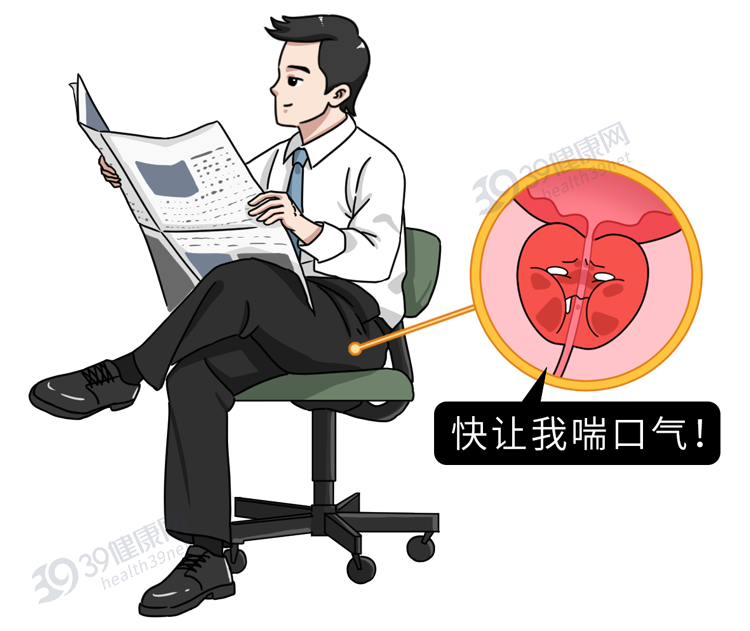
3. Avoid prolonged sitting
In modern fast-paced life, prolonged sitting should be avoided as it may affect sperm production and prostate health. It's recommended to stand up and move around regularly to maintain physical vitality, which benefits genital health.
4. Maintain sexual fidelity and hygiene
When fulfilling sexual desires, one should maintain rationality and self-discipline, avoid having multiple sexual partners or engaging in high-risk sexual behaviors to reduce the risk of sexually transmitted diseases and male reproductive health issues. Healthy sexual habits help maintain genital health.

In conclusion, male genital hygiene is equally important—not just for one's own health but also for a partner's well-being. Neglecting proper care may ultimately lead to self-inflicted harm.