Semen Non-Liquefaction: The "Invisible Barrier" Behind Male Fertility
When a couple has been trying to conceive for a long time without success, people often first think of issues related to the woman, such as ovulation or fallopian tube problems. But did you know? The health of a man's semen also plays a crucial role. Among these, a condition known as "semen non-liquefaction" is quietly affecting the fertility plans of many families. Today, let's uncover its mysteries.
1. Why Does Semen "Coagulate"?
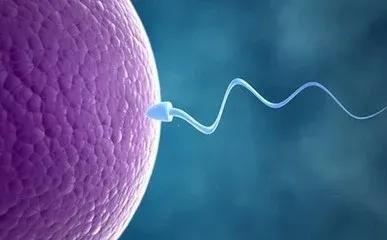
In healthy men, semen is initially gelatinous upon ejaculation, similar to jelly. This is a protective mechanism designed by the body—the viscous state helps sperm temporarily adhere inside the female reproductive tract, preventing loss. However, after about 15–30 minutes, the semen gradually becomes thinner, like melted ice cream. This process is called liquefaction. The secret lies in "liquefying enzymes" (such as fibrinolysin secreted by the prostate) present in semen. These enzymes break down the protein network in semen, freeing the sperm to swim freely toward the egg. If the semen remains gel-like for over an hour, it can be diagnosed as semen non-liquefaction.
2. Semen Non-Liquefaction: A "Speed Bump" on the Fertility Journey
Imagine a group of strong swimmers trapped in jelly—no matter how powerful they are, it's difficult for them to move. This is precisely how semen non-liquefaction affects sperm.
- Hinders Sperm Movement: Un-liquefied semen acts like a sticky net, restricting sperm motility and making it difficult for them to penetrate cervical mucus.
- Reduces Conception Probability: Trapped sperm significantly decreases the chance of meeting the egg. Statistics show that approximately 10%–20% of male infertility cases are related to abnormal semen liquefaction.
- Triggers Anxiety: The stress of unsuccessful attempts to conceive may strain the couple's relationship and create psychological burdens.

3. What Disrupts the Semen "Melting" Process?
Semen non-liquefaction does not occur without cause. The following factors are often the culprits:
1. Abnormal Prostate Function
The prostate is the primary producer of liquefying enzymes. Conditions like prostatitis, calcification, or surgical damage can reduce enzyme secretion, making it difficult for semen to liquefy.
2. Deficiency in Trace Elements
Elements like zinc and magnesium act as "assistants" to enzymes. Men with long-term poor diets or malabsorption issues may experience abnormal liquefaction due to deficiencies in these nutrients.
3. Endocrine Imbalance
Low testosterone levels can affect prostate function, indirectly leading to insufficient enzyme secretion.
4. Infections and Inflammation
Reproductive tract infections (such as those caused by mycoplasma or chlamydia) can trigger local inflammation and impair enzyme activity.
5. Lifestyle Factors
Prolonged sitting, smoking, excessive alcohol consumption, or long-term exposure to high temperatures (e.g., hot springs, wearing tight pants) can interfere with the normal functioning of the reproductive system.
4. How to Determine if Semen Is Healthy?
Suspect semen non-liquefaction? The most direct method is a semen analysis. Through professional hospital testing, not only can liquefaction time be assessed, but key indicators like sperm count and motility can also be evaluated. Before the test, note the following:
- Abstain from ejaculation for 2–7 days.
- Provide a sample via masturbation.
- Deliver the sample for testing within 1 hour if possible.
5. Solving the Problem: From Treatment to Prevention

1. Targeted Treatment
- Anti-infection Treatment: If a reproductive tract infection is present, doctors may prescribe antibiotics.
- Enzyme Supplementation: Medications like chymotrypsin can directly promote liquefaction (less commonly used clinically).
- Traditional Chinese Medicine (TCM) Regulation: Based on individual constitution, TCM herbs that clear heat and promote diuresis (e.g., Phellodendron chinense, plantain seed) or tonify the kidneys and boost qi (e.g., goji berry, dodder seed) may be used.
2. Lifestyle Adjustments
- Quit smoking and limit alcohol; avoid staying up late.
- Consume foods rich in zinc (e.g., oysters, pumpkin seeds).
- Exercise for 30 minutes daily to improve blood circulation.
3. Assisted Reproductive Technology
For severe cases, techniques like "in vitro liquefaction treatment" followed by artificial insemination or in vitro fertilization (IVF) can be employed.
6. Don’t Let Misconceptions Add to Psychological Burden
Misconception 1: "Semen non-liquefaction = absolute infertility."
In reality, it only reduces the probability of natural conception, and most patients can improve with treatment.
Misconception 2: "The speed of liquefaction affects sexual ability."
Semen liquefaction is unrelated to erectile function or libido, so there’s no need to feel insecure about it.
Therefore, while semen non-liquefaction may seem like a minor issue, it can become a significant obstacle on the fertility journey. Fortunately, modern medicine can effectively address this problem. If you are trying to conceive, consider undergoing joint examinations with your partner and adopting scientific adjustments. Remember, conception is a shared journey—mutual support paves the way for good news! If you have been trying to conceive for over a year without success, it is advisable for both partners to consult a reproductive specialist. Early detection and intervention can make the path to parenthood smoother.