Erectile Dysfunction and Premature Ejaculation Go Hand in Hand: Analyzing the Causes and Solutions for Their Comorbidity
In discussions of male health issues, erectile dysfunction (ED, commonly known as "impotence") and premature ejaculation (PE) are often addressed separately. However, clinically, they frequently co-occur, forming a "comorbidity of erectile dysfunction and premature ejaculation." This comorbidity not only affects physiological function but may also trigger psychological issues such as anxiety and low self-esteem, and can even damage partner relationships. This article will explore the etiology, underlying mechanisms, and comprehensive treatment strategies to provide patients with scientific understanding and solutions.
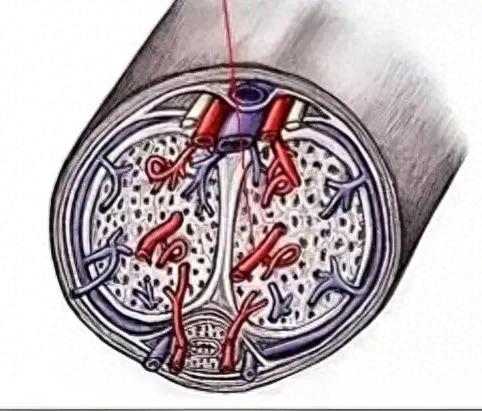
I. The Link Between ED and PE: Why Are They "Inseparable"?
1. Shared Physiological Basis
Hormonal Abnormalities: Decreased testosterone levels are a significant trigger for ED and may also indirectly affect ejaculatory control. Studies have found that patients with late-onset hypogonadism (LOH) often experience reduced libido, erectile difficulties, and rapid ejaculation due to insufficient testosterone.
Impact of Chronic Diseases: Metabolic disorders such as diabetes and hypertension can cause vascular endothelial damage, affecting erection; they may also accelerate the ejaculatory reflex through neuropathy.
Local Anatomical Issues: Conditions like phimosis or redundant prepuce may simultaneously increase the risk of ED and PE due to abnormal local sensitivity or hygiene-related inflammation.
2. Cumulative Effects of Psychological Factors
Emotional disorders such as anxiety and depression are common triggers for both ED and PE. For example, men may experience tension due to fear of erectile failure, which further accelerates ejaculation; conversely, experiences of premature ejaculation can exacerbate doubts about sexual capability, creating a vicious cycle. Strained partner relationships (e.g., blame, lack of communication) can worsen both conditions.
3. Chain Reactions from Lifestyle Habits
Unhealthy habits such as smoking, excessive alcohol consumption, and staying up late can impair vascular function and induce ED. Simultaneously, fatigue can reduce central nervous system regulatory capacity, potentially weakening ejaculatory control.
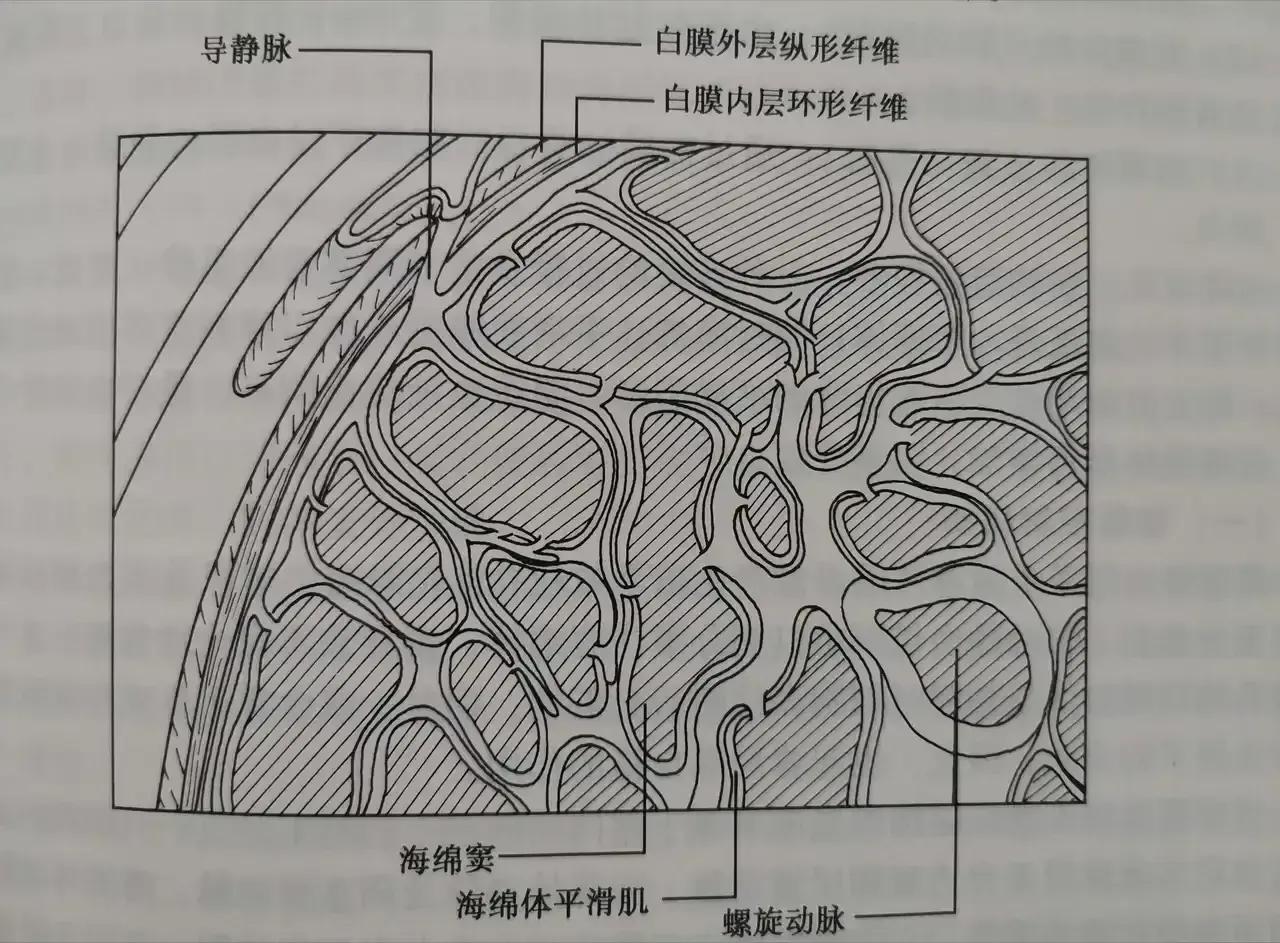
II. Comprehensive Treatment Strategies: A Multi-Pronged Approach to Break the Vicious Cycle
1. Medical Intervention: Precisely Targeting the Etiology
Pharmacotherapy:
ED Treatment: PDE5 inhibitors (e.g., sildenafil) can improve erectile function; testosterone replacement therapy (TRT) is suitable for those with low testosterone levels and should be used under medical supervision.
PE Treatment: Selective serotonin reuptake inhibitors (e.g., dapoxetine) can prolong ejaculatory latency and should be taken 1-3 hours in advance.
Surgical and Physical Therapies: Circumcision is suitable for patients with phimosis; low-intensity shockwave therapy and ultrashort wave diathermy can improve local blood circulation.
2. Psychological and Behavioral Therapies: Rebuilding Confidence and Rapport
Cognitive Behavioral Therapy (CBT): Helps patients correct misconceptions about sexual capability and alleviate anxiety.
Partner Involvement: Improving interaction patterns through emotional communication and learning sexual techniques (e.g., the "squeeze technique," "stop-start method"). Case studies show that joint treatment of couples can significantly alleviate symptoms of ED and PE.
3. Lifestyle Adjustments: Improving Health from the Root
Regular Exercise: High-intensity exercises (e.g., squats, Kegel exercises) can boost testosterone levels and enhance pelvic floor muscle control.
Dietary Optimization: Reduce high-fat diets, supplement with nutrients like zinc and vitamin D, and use functional foods to regulate hormones when necessary.
Eliminating Unhealthy Habits: Quit smoking, limit alcohol, ensure adequate sleep, and avoid staying up late.
4. Traditional Medicine and Complementary Therapies
Traditional Chinese Medicine uses formulas that replenish qi, tonify the kidneys, and promote blood circulation (e.g., Yougui Wan) to alleviate symptoms; acupuncture and moxibustion can also serve as complementary methods.
III. Prevention and Long-Term Management: Prevention Is Better Than Cure

1. Early Screening: Men over 40 are advised to regularly test testosterone levels, especially when experiencing symptoms like decreased libido or fatigue.
2. Partner Communication: Establish open communication about sexual topics, avoid blame, and face problems together.
3. Ongoing Monitoring: Patients on long-term medication require regular assessments of prostate health (e.g., PSA testing) and cardiovascular risks.
Conclusion
The comorbidity of ED and PE is not irreversible. Through scientific treatment and comprehensive management, most patients can significantly improve their quality of life. The key lies in breaking the psychological barrier of "shyness about seeking medical help," actively seeking professional assistance, and mobilizing partner support to achieve dual physical and psychological recovery.