How Should Men Preparing for Pregnancy Properly Supplement Nutrients?
With the increasing pressure of modern life, male infertility has become a growing concern for many couples of reproductive age. While there are numerous reports on proper nutrient supplementation for women before pregnancy, there is relatively little information on optimal nutrient intake for men preparing for conception. This article summarizes key points to provide guidance for men in preconception care.

Three Key Elements of Nutritional Balance: (1) Maintain a healthy lifestyle and avoid harmful substances; (2) Achieve a balanced dietary nutrition structure; (3) Meet preconception nutritional needs, with supplementation when necessary.
1. Mineral Nutrients
Normal reproductive endocrine function requires the participation of various mineral elements such as zinc (Zn), copper (Cu), manganese (Mn), iron (Fe), potassium (K), and sodium (Na). Certain toxic mineral elements like aluminum (Al), cadmium (Cd), arsenic (As), mercury (Hg), nickel (Ni), and lithium (Li) can significantly impair male reproductive endocrine function.
Zinc is directly involved in sperm production, maturation, activation, and capacitation. It protects sperm from potential damage in both male and female reproductive tracts, delays lipid oxidation in cell membranes, and ensures normal sperm morphology, structure, and function. Low iron levels in men may lead to asthenospermia, while excessive iron can reduce sperm motility. Calcium and magnesium are essential for sperm capacitation, acrosome reaction, and motility.
2. Vitamin Nutrients
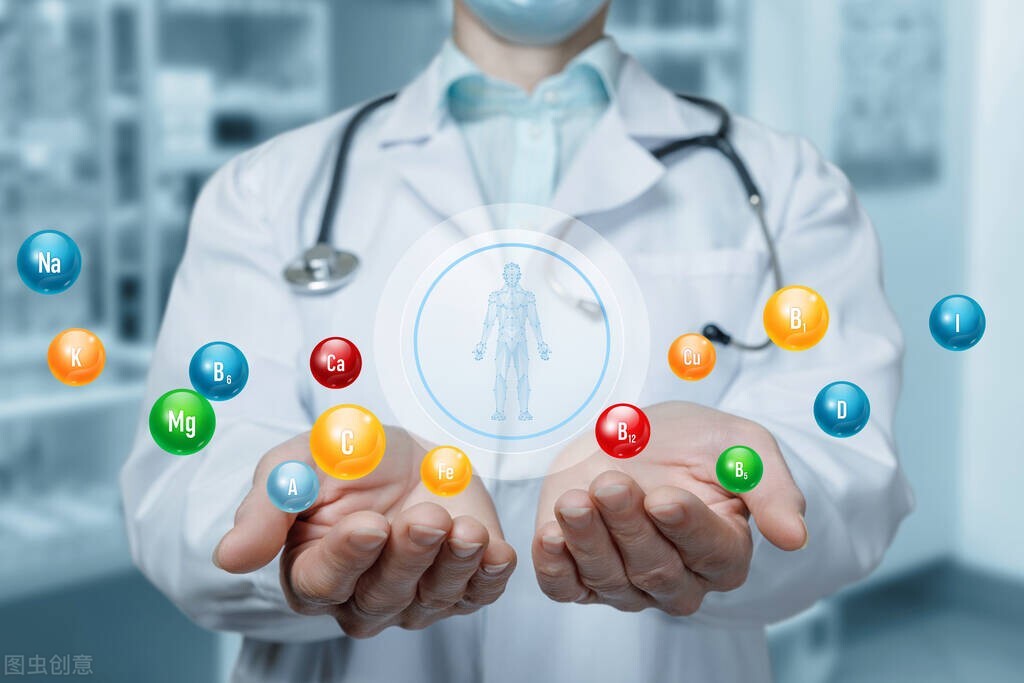
Vitamins related to fertility include vitamins A, B9, B12, C, D, and E, which regulate metabolism, maintain osmotic pressure, and balance water and electrolytes. They also play a significant role in the reproductive endocrine functions of mammals.
Vitamin A is involved in normal embryonic development and maintains various physiological functions. Folate, also known as vitamin B9, is essential for spermatogenesis in males. Vitamin B12 not only increases sperm count but also improves sperm motility and reduces DNA damage in sperm. High concentrations of vitamin C protect vital components of sperm from oxidative damage by free radicals while shielding sperm from genetic damage caused by other harmful substances.
3. Other Supportive Nutrients
These include L-carnitine, lycopene, amino acids, coenzyme Q10, fructose, and citric acid. L-carnitine acts as a potent antioxidant, inhibiting ROS production and scavenging ROS to protect sperm from oxidative damage. Lycopene, a natural carotenoid with strong ROS-scavenging activity, prevents oxidative stress-induced alterations in sperm count and morphology, thereby preserving male reproductive cell function. Supplementing diets with amino acids has been shown to improve semen quality in male laboratory animals. Coenzyme Q10 is an important endogenous fat-soluble antioxidant in the body. Under normal physiological conditions, ROS production and clearance in semen are dynamically balanced, and moderate ROS levels are essential for certain normal sperm functions, such as capacitation and the acrosome reaction.

In conclusion, men preparing for pregnancy should prioritize maintaining a balanced intake of essential nutrients. A well-rounded diet serves as the fundamental basis for nutrient supplementation. When necessary, targeted nutritional supplementation can be implemented, but it is recommended to develop an appropriate nutrient supplementation plan under the guidance of a medical professional.