Is the Absence of Morning Erection a Warning Sign of Erectile Dysfunction?
This concern is frequently expressed by anxious male patients in the clinic. In our era of information overload, the notion that "morning erection = sexual potency" has become deeply ingrained, but is this correlation truly so straightforward? Today, we'll explore this topic in depth.
01 What Is "Morning Erection"? Don't Misunderstand Its Meaning
"Morning erection," medically termed Nocturnal Penile Tumescence (NPT), is a natural physiological phenomenon that occurs in males during sleep cycles, particularly during the REM phase, triggered by autonomic nervous system excitation and fluctuations in sex hormones.
It doesn't indicate whether you had any "exciting dreams" last night, nor is it necessarily directly related to your sexual desire. Healthy men may experience 3-5 nocturnal erections per night, lasting anywhere from a few minutes to half an hour. The last erection before waking up in the morning is what we commonly perceive as "morning wood."
Therefore, morning erections serve as a "barometer" of sexual health, but they are fundamentally physiological mechanisms at work and should not be mythologized.

The Absence of Morning Erections: Is It a Sign of Erectile Dysfunction?
No! At least we shouldn't jump to that conclusion.
Missing morning erection occasionally once or twice is mostly temporary. You might review whether any of following situations occurred recently:
1. Staying up late or poor sleep quality;
2. Mental tension, anxiety, or depression;
3. Excessive alcohol consumption or heavy smoking;
4. Taking certain medications, such as antidepressants or blood pressure medications.
These factors can all affect nighttime spontaneous erections. If your sexual activity is normal and neither libido nor erections are affected, there's no need to overly worry about missing morning erections once or twice.
The real cause for concern is—if morning erections persistently disappear along with erectile difficulties during sexual activity and decreased libido, it could be a precursor to erectile dysfunction.
03 How to determine if it's erectile dysfunction? Don't rely solely on morning erections
Clinically, we primarily diagnose erectile dysfunction (ED) based on the following criteria:
· Whether erection can be achieved when sexually aroused;
· Whether the erection can be maintained long enough for satisfactory sexual intercourse;
· Is the issue persistent, lasting more than 3 months;
· Are there any accompanying conditions such as hypertension, diabetes, low testosterone, etc.
Morning erection monitoring is only an auxiliary reference and cannot serve as a standalone diagnostic criterion.
For patients with suspected erectile dysfunction (ED), we utilize specialized nocturnal penile tumescence (NPT) monitoring devices (Rigiscan) to assess erection frequency, duration, and rigidity during sleep, helping determine whether the condition is psychogenic or organic in nature.
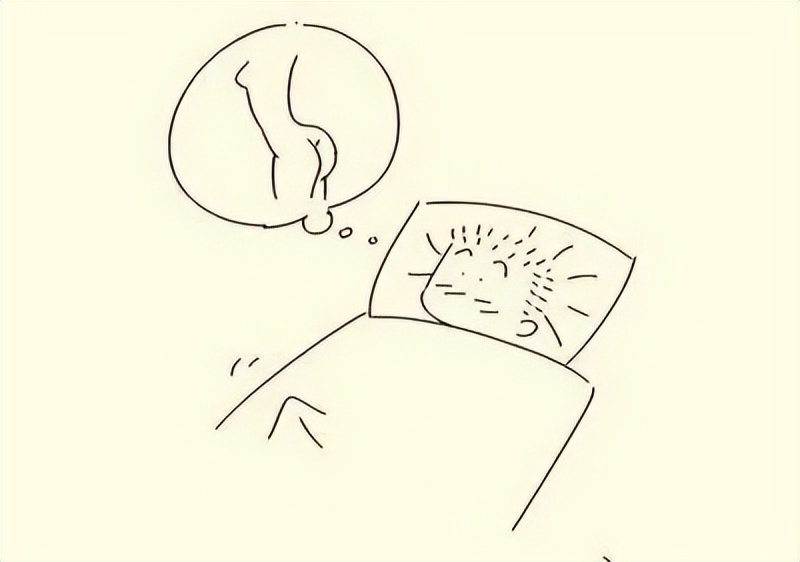
04 Don't Panic About Morning Erection Loss - Learn Scientific Regulation Methods First
If you've recently experienced reduced morning erections but notice no abnormalities in sexual function during daily life, we recommend starting with self-regulation:
Maintain regular sleep patterns: Try to fall asleep before 11 PM and ensure at least 7 hours of sleep;
Manage stress: Engage in moderate exercise, practice meditation, and reduce mobile phone usage;
Improve diet: Reduce intake of greasy and sugary foods, increase foods rich in zinc and protein;
Quit smoking and limit alcohol: These two factors greatly affect sexual function;
Pay attention to mental health: Anxiety and depression are major contributors to erectile dysfunction.
If the absence of morning erections persists for more than 3 months and is accompanied by sexual performance issues, it is recommended to seek medical attention promptly for systematic examination.

05 In Conclusion
The presence of morning erections is a positive signal, reflecting the body's sexual function potential and physiological state. However, the absence of morning erections does not equate to "erectile dysfunction"! Nor is it the sole criterion for judging a man's "performance capability."
A man's health is the result of the combined effects of physical, psychological, and social factors. Don't let the presence or absence of morning erections dictate your confidence, nor should you judge yourself based on temporary changes.