Five Common Causes of Male Infertility
In clinical practice, we often encounter couples who have been trying to conceive for a long time without success. When seeking consultation, they usually consider the female partner's examination first. In fact, statistics show that approximately 40% to 50% of infertility cases are related to male factors. So what are the common causes of male infertility? Today I'd like to discuss this topic with everyone.
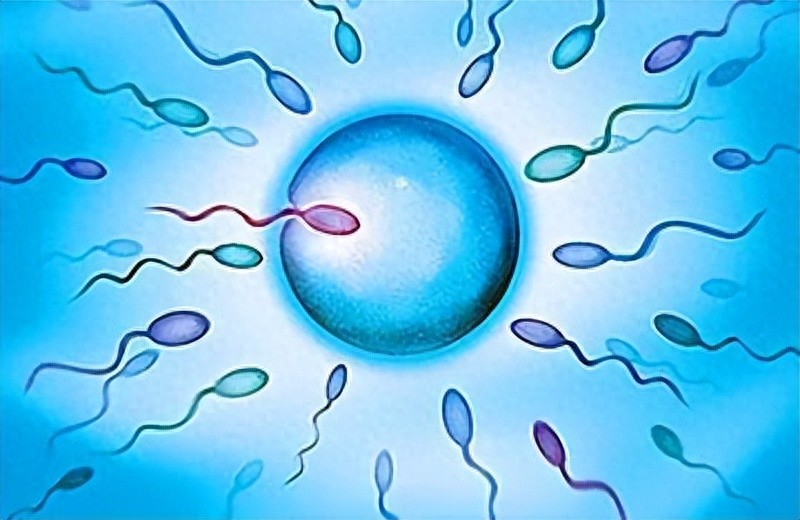
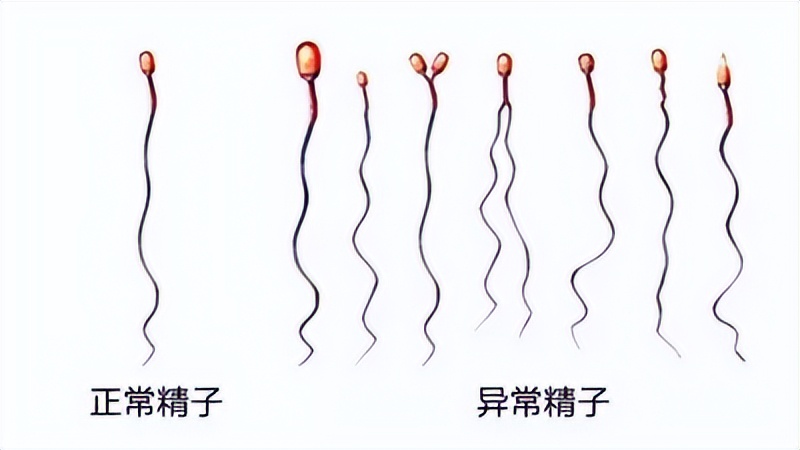
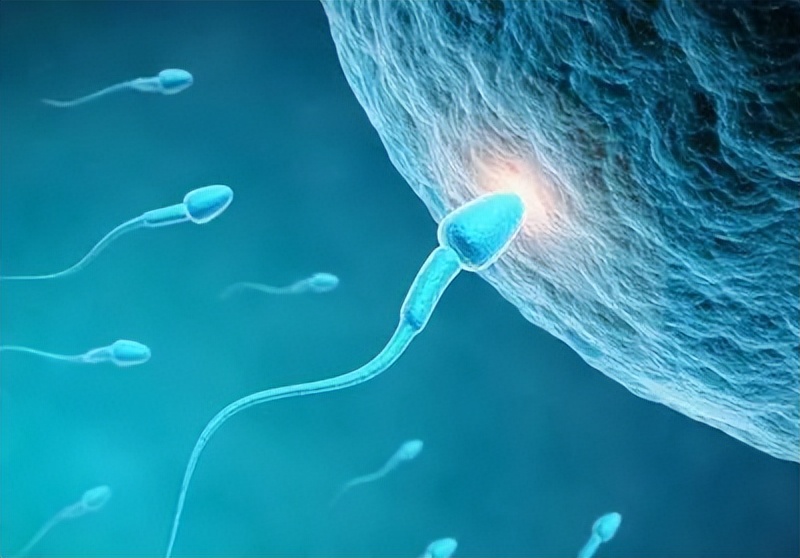
Sperm is the "main force" in conception, and its quantity, motility, and morphology directly determine the success of fertilization with the egg. Conditions such as low sperm count (oligospermia), poor motility (asthenospermia), or a high rate of abnormal sperm (teratospermia) can significantly reduce the chances of pregnancy. Long-term smoking, excessive alcohol consumption, sleep deprivation, or exposure to high temperatures and toxic environments can impair testicular spermatogenesis function, leading to compromised sperm quality.
01 Abnormal sperm quality - the most common cause
Varicocele is one of the most common fertility disorders in young men. Due to malfunctioning venous valves in the spermatic cord, blood accumulates, raising testicular temperature and allowing toxic metabolites to build up, thereby impairing sperm production. Patients often experience scrotal heaviness and testicular discomfort, but more frequently the condition is "asymptomatic." Data shows that approximately 40% of infertile men have accompanying varicocele.
02 Varicocele, affecting the testicular microenvironment
Some men have normal sperm production, but due to obstruction in the vas deferens, epididymis, or ejaculatory duct, sperm cannot be expelled. The semen of such patients often shows a condition called "azoospermia." The cause may be congenital defects, severe infections (such as epididymitis or prostatitis), or surgical trauma. If diagnosed with obstructive azoospermia, some cases can be restored through microsurgery or assisted reproductive technology to achieve parenthood.
03 Reproductive Tract Obstruction, Preventing Sperm from Being Released
Male fertility relies on the proper regulation of the hypothalamic-pituitary-gonadal axis. Low testosterone levels often manifest as reduced libido, weak erections, and insufficient sperm production. Abnormal levels of follicle-stimulating hormone (FSH) and luteinizing hormone (LH) may indicate problems with the testes or pituitary gland. Such patients not only face fertility issues but may also experience systemic symptoms like fatigue, osteoporosis, and low mood.
04 Hormonal Imbalances Disrupting the Reproductive Axis Regulation
Five Common Causes of Male Infertility Modern lifestyle factors such as obesity, diabetes, hypertension, prolonged sedentary behavior, smoking, excessive alcohol consumption, overtime work, and overuse of electronic devices significantly impact male reproductive health. Conditions like chronic prostatitis and sexually transmitted infections can also disrupt the semen environment, reducing the chances of conception. These "invisible killers" are often overlooked but serve as major contributors to male infertility.
05 Poor Lifestyle Habits and Chronic Diseases That Steal Fertility in Secret
06 Final Notes
Male infertility isn't scary—what's truly frightening is concealing the disease and avoiding treatment. Modern medical techniques can already help most patients identify the causes and achieve their reproductive goals through medication, surgical intervention, or assisted reproductive technologies. If you and your spouse have been trying to conceive for over a year without success, don't just let the woman bear the burden of examinations. Men should also actively cooperate and undergo a comprehensive evaluation as early as possible.