Is Benign Prostatic Hyperplasia Really an "Old Age Disease"? Many Men Actually Develop It Much Earlier!
In clinical practice, benign prostatic hyperplasia (BPH) is one of the most common urinary system disorders in men. Many people assume "prostate enlargement" is only an issue for the elderly upon hearing the term. However, in reality, numerous middle-aged and young men already exhibit early symptoms of BPH, which are often overlooked or mistakenly attributed to "drinking too much water" or "normal nocturnal urination." Today, we'll thoroughly discuss this matter.
01 What Is Benign Prostatic Hyperplasia?
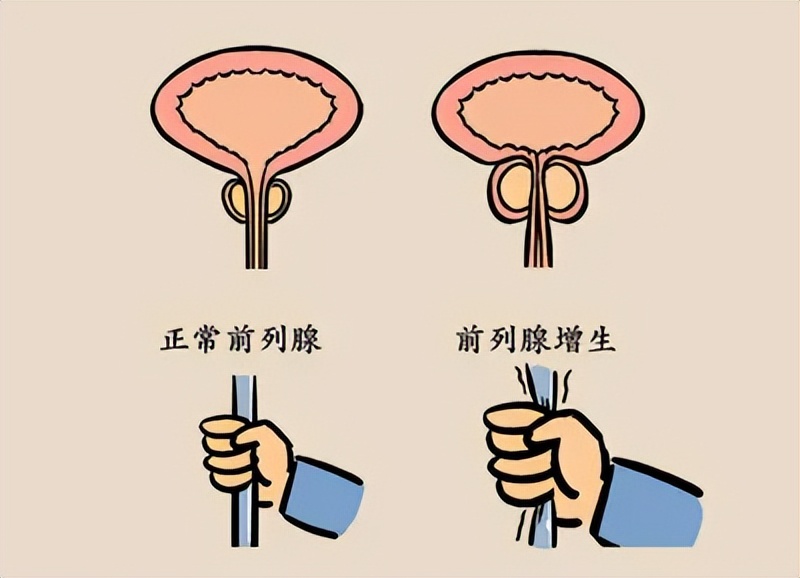
The prostate is a male-specific gland located below the bladder and surrounding the urethra. With age, under the influence of androgens, prostate tissue undergoes volume enlargement and glandular hyperplasia—a condition known as "prostatic hyperplasia" (or benign prostatic hyperplasia).
The enlarged prostate acts like a "tight band," compressing the urethra and making urination increasingly difficult. It generally has a higher incidence in men over 50, but modern lifestyle changes and high work pressure have also led to early hyperplasia signs appearing in many men around 40.
02 What Are the Symptoms of Prostatic Hyperplasia?
Most symptoms of prostatic hyperplasia focus on urination and are often summarized by patients as "trouble peeing." However, they can be broken down into the following aspects:
· Difficulty urinating: narrowed urine stream, prolonged urination time, requiring straining to empty completely;
· Frequent nocturia: increased nighttime urination frequency, severely affecting sleep;
· Urinary urgency and frequency: feeling the need to urinate again shortly after voiding, even with incontinence;
· Intermittent urination: urine flow starts and stops, as if "blocked";
· Incomplete emptying sensation: Feeling residual urine after urination, sometimes requiring a second attempt.
Many patients experience mild early symptoms and often "tolerate it," but as hyperplasia worsens, complications like urinary retention, bladder wall thickening, urinary tract infections, and even kidney damage may follow.
03 Why Does Benign Prostatic Hyperplasia Occur?
Indeed, BPH is closely related to age and androgen levels, but that's not the whole story. The following factors are also strongly associated with its onset:
· Hormone level changes: Imbalance in androgen to estrogen ratio stimulates abnormal growth of prostate tissue;
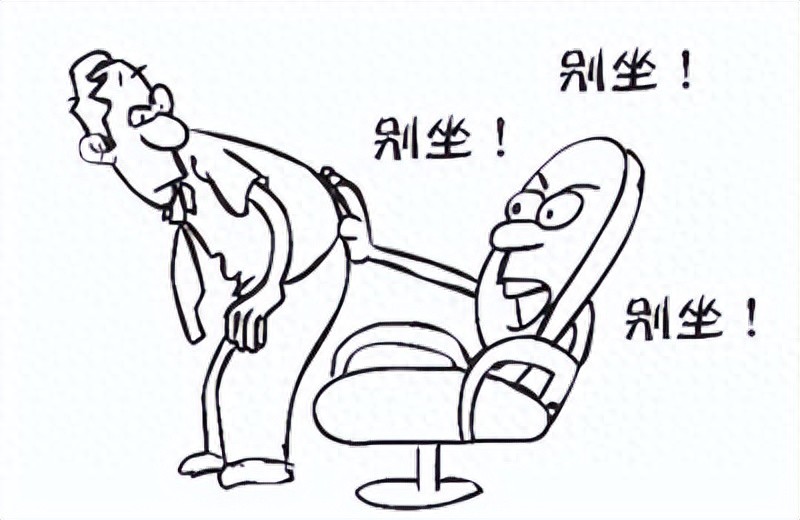
· Prolonged sitting and lack of exercise: Leads to poor local blood circulation in the prostate;
· Improper diet: Excessive consumption of high-fat, high-protein, and spicy foods;
· Chronic inflammatory stimulation: Such as chronic prostatitis;
· Genetic factors: Men with a family history have a higher risk of developing the condition.
It's noteworthy that modern young and middle-aged men who frequently work overtime, sit for long periods, and stay up late are increasingly showing early warning signs like slow urination and increased nocturia around age 40, yet fail to recognize the connection to benign prostatic hyperplasia.
04 Does benign prostatic hyperplasia require treatment?
Many patients adopt a "tough it out" attitude, which is actually very dangerous. Early intervention can not only control the condition but also prevent serious complications such as acute urinary retention and hydronephrosis.
Treatment methods generally include:
• Watchful waiting: For patients with mild symptoms and minimal impact, lifestyle adjustments (reducing nighttime water intake, maintaining regular schedules, avoiding prolonged sitting) combined with periodic follow-up examinations may be sufficient.
• Drug therapy: Commonly used medications include α-blockers (to improve urination) and 5α-reductase inhibitors (to reduce prostate volume);
· Surgical treatment: For patients with obvious symptoms, poor drug efficacy, or severe complications, minimally invasive procedures such as transurethral resection of the prostate (TURP) or laser enucleation can be performed.
Traditional Chinese Medicine also plays a significant role in treating benign prostatic hyperplasia, such as through syndrome differentiation treatment, promoting blood circulation to resolve stasis, and eliminating dampness to relieve stranguria. These methods help improve urinary symptoms and delay disease progression.
05 Prevention is more important than treatment
• Maintain a regular lifestyle: Avoid prolonged sitting and staying up late;
• Exercise moderately: Promote blood circulation;
• Eat a light diet: Less spicy and greasy food, quit smoking and limit alcohol;
• Regular check-ups: Especially for men over 40, have an annual urinary system ultrasound and PSA test;
· Seek medical attention promptly if symptoms appear: Don’t mistake frequent nighttime urination or slow urination for "normal phenomena."

06 Final Remarks
Prostate enlargement isn't scary - what's truly frightening is concealing illness and avoiding treatment. Many men miss the optimal treatment window due to embarrassment or underestimation of the condition. In reality, with early detection and timely intervention, most patients can effectively control symptoms and maintain quality of life.