Should Premature Ejaculation Require Abstinence? Don't Be Misled—Science Is the Key
Today, let's discuss: Should premature ejaculation require abstinence?
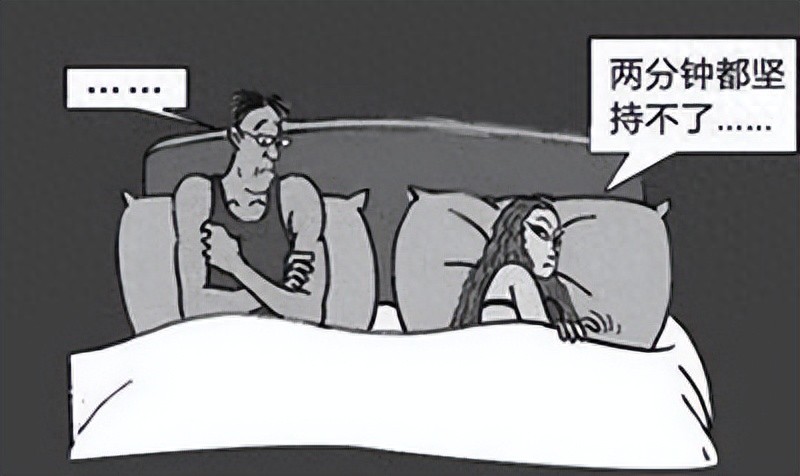
1. Premature ejaculation is neither caused by "excessive indulgence" nor "developed through practice"
When many men experience premature ejaculation, they immediately attribute it to "doing it too much" or "draining their essence," and consequently enter a "celibacy mode," hoping to recover by "conserving energy."
In fact, this is a typical misconception.
Premature ejaculation is not simply related to the "frequency of sexual activity," but rather a complex issue involving psychological, physiological, and neurological regulation factors.
Some individuals experience reduced ejaculation thresholds due to anxiety and tension, while others ejaculate prematurely due to inflammation, hormonal fluctuations, or abnormal nerve sensitivity.
In other words, it's not an issue of desire but rather one of regulation.
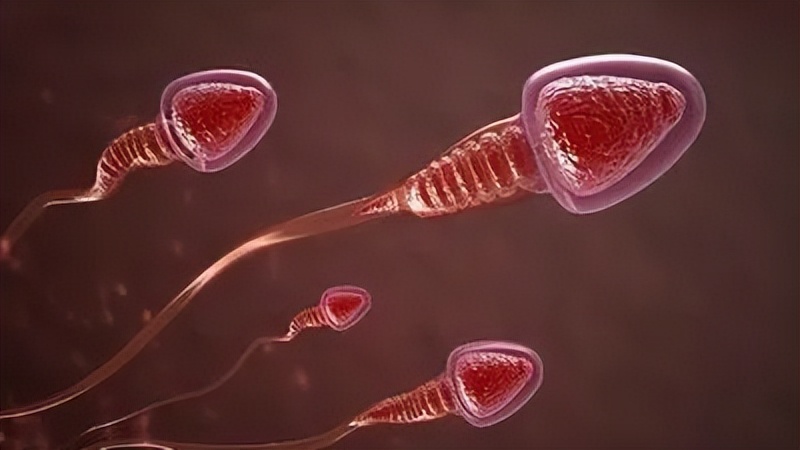
2. Long-term abstinence can actually worsen premature ejaculation
Many people find their condition aggravated after a period of abstinence.
Why is this?
Because prolonged abstinence can lower the threshold for sexual arousal. When the body is suppressed for too long, it becomes more prone to "quick firing" upon resuming sexual activity.
Moreover, abstinence increases psychological stress, exacerbating anxiety—one of the major triggers for premature ejaculation.
I had a patient who, after two months of abstinence, became so nervous during foreplay that he nearly climaxed at that stage.
Therefore, blindly abstaining is not only unhelpful but may actually make the sensitive nerves more "vulnerable."
III. Scientific adjustment is the fundamental solution
The right approach is not "abstinence," but "adjustment."
Psychological adjustment: Eliminate anxiety and self-blame, face the problem head-on, and avoid thinking during every sexual encounter, "How long can I last this time?"
Behavioral training: Gradually improve control through professional delay techniques (such as the "stop-start method" or "squeeze technique");
Medication assistance: Use short-acting or long-acting medications under a doctor's guidance to help stabilize nerve sensitivity;
Partner communication: Don’t hide the condition or avoid sexual activity—mutual understanding and cooperation are the most effective psychological therapy.
The key lies in establishing a "controllable" sexual rhythm, allowing the body to gradually regain natural responses.
4. Dr. Yuan's Reminder
Speeding does not equal excessive indulgence, so there's no need to blindly abstain;
Excessively long abstinence may actually increase sensitivity and worsen anxiety;
The real solution lies in scientific treatment + psychological adjustment + partner understanding;
When facing problems, avoid home remedies and don't believe in "quick fixes"—seek medical advice promptly.
"Sexual function isn't improved by 'abstinence'—it's cultivated through science and confidence. True recovery isn't about 'how long you can last,' but about being able to enjoy intimacy in a healthy and relaxed state."