Sitting for Long Hours, Holding in Urine, and High Stress? Beware of Prostate "Rage"!
In the clinic, many young men often ask me with confusion: "Dr. Yuan, I've been feeling lower abdominal heaviness, difficulty urinating, and a frequent urge to go to the bathroom lately. Could it be a prostate problem?"
That's right—this could very well be a sign of your prostate "raging."
Especially those who sit for long periods without moving, frequently stay up late, or are under high stress are most susceptible. Today, we'll discuss why the prostate might "act up" and how to soothe it.
1. Why Does Prostatitis Occur?
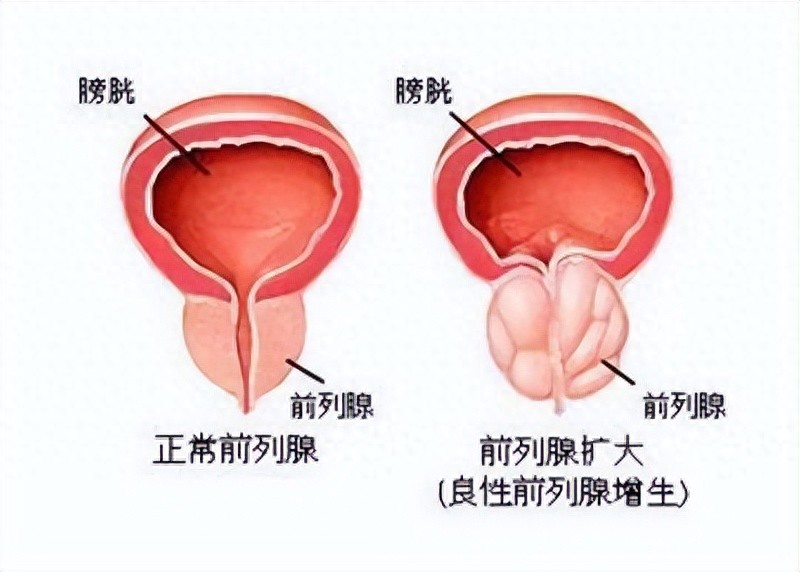
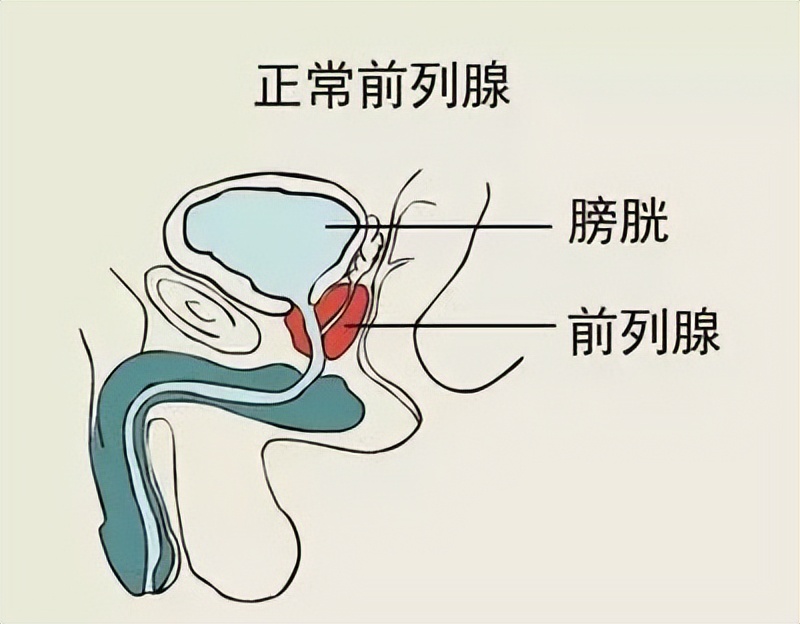
The prostate is a gland unique to males, located below the bladder and surrounding the urethral opening—like a small "valve"—responsible for secreting a portion of the seminal fluid.
It's quite "temperamental," prone to issues at the slightest provocation.
Common triggers include:
Sedentary lifestyle: Leads to poor pelvic blood flow, causing long-term "congestion" in the prostate;
Holding in urine: Bacteria in urine may reflux and irritate the prostate;
Frequent late nights: Weakens immunity, making the area prone to inflammation;
Irregular sexual activity: Both excessive or prolonged abstinence can lead to poor drainage of prostate secretions.
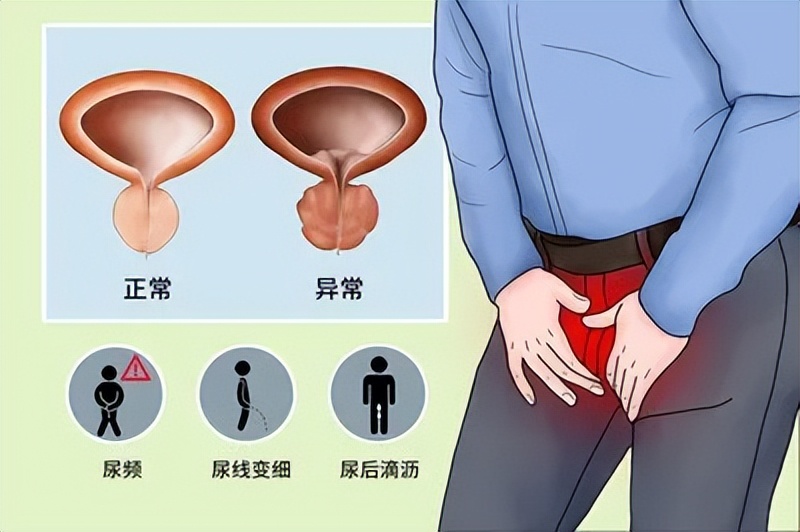
Over time, typical symptoms of prostatitis may develop: difficulty urinating, frequent and urgent urination, lower abdominal distension, perineal pain, and even decreased sexual function.
2. "Pseudo-prostatitis" is also common – avoid inappropriate treatment
Interestingly, many patients who self-diagnose with "prostatitis" in outpatient clinics are ultimately found to have no prostate issues upon examination.
This type of "pseudo-prostatitis" commonly occurs in people who experience prolonged tension, anxiety, prolonged sitting, or even lumbar-sacral muscle strain.
Their symptoms are similar, but the underlying causes are completely different.
I remember a young programmer clearly—sitting for 10 hours a day—who came in insisting, "My prostatitis must have relapsed."
However, the ultrasound showed no abnormalities; it was just long-term pelvic floor muscle tension and poor blood flow. After adjusting his routine and increasing exercise, his symptoms completely disappeared.
So if you experience similar symptoms, don't rush to "search for medication online" or misuse antibiotics.
The correct approach is: Go to the hospital for prostatic fluid or color Doppler ultrasound examinations to identify the cause before treatment.
3 When treating prostatitis, beware of the "Three Urgencies and Two Chaoses"
Some patients, upon hearing "itis," hastily take antibiotics for several weeks, ending up with poor results and gastrointestinal damage.
Some people even go around asking for "folk remedies" and resort to extreme methods like "enema therapy" or "hot compresses," only to achieve the opposite effect.
Director Yuan's recommendations are:
Don't rush: Chronic prostatitis often develops over time, so treatment requires a gradual approach;
Don't act blindly: Whether it's medication, physiotherapy, acupuncture, or traditional Chinese medicine, all treatments should be administered under a doctor's supervision.
Prostatitis is manageable, but only if you give it time, the right approach, and patience.
4 Dr. Yuan's Prevention Guide
✅ Don't sit for too long: Get up and walk for 5 minutes every hour to promote blood circulation;
✅ Drink more water and urinate frequently: Consume over 2000ml of water daily to maintain urinary tract patency;
✅ Maintain a regular lifestyle: Avoid staying up late and reduce spicy stimuli;
✅ Exercise moderately: Running, swimming, and cycling all benefit prostate health;
✅ Maintain regular sexual activity: Avoid prolonged abstinence or excessive indulgence.
"The prostate is like the 'generator' in a man's body. If properly maintained, it can run smoothly for many years; if neglected, it will cause you to 'trip the circuit' from time to time." Don't wait until problems arise to regret. Every time you drink water or stand up in daily life, you're actually protecting it.