Should Benign Prostatic Hyperplasia Require Surgery? Don't Panic, Listen to Director Yuan's Detailed Explanation
In the clinic, many middle-aged and elderly men ask me the same question:
"Director Yuan, I have prostate hyperplasia and my doctor suggested surgery. Should I go through with it?"
This sentence contains worry, hesitation, and quite a few misunderstandings.
Today, we will discuss prostate hyperplasia—when surgery is necessary and when conservative treatment is sufficient.
First, BPH is not "cancer" - don't panic when you hear about it.
First, let's dispel a common misconception:
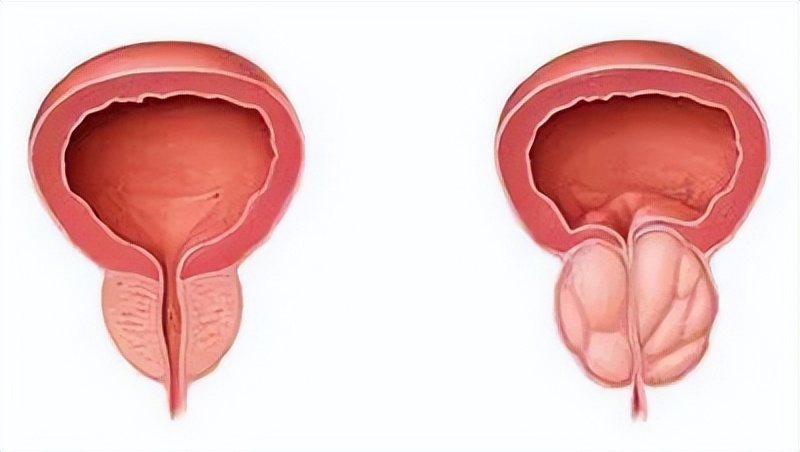
Benign prostatic hyperplasia (BPH) is not prostate cancer and does not directly turn into cancer.
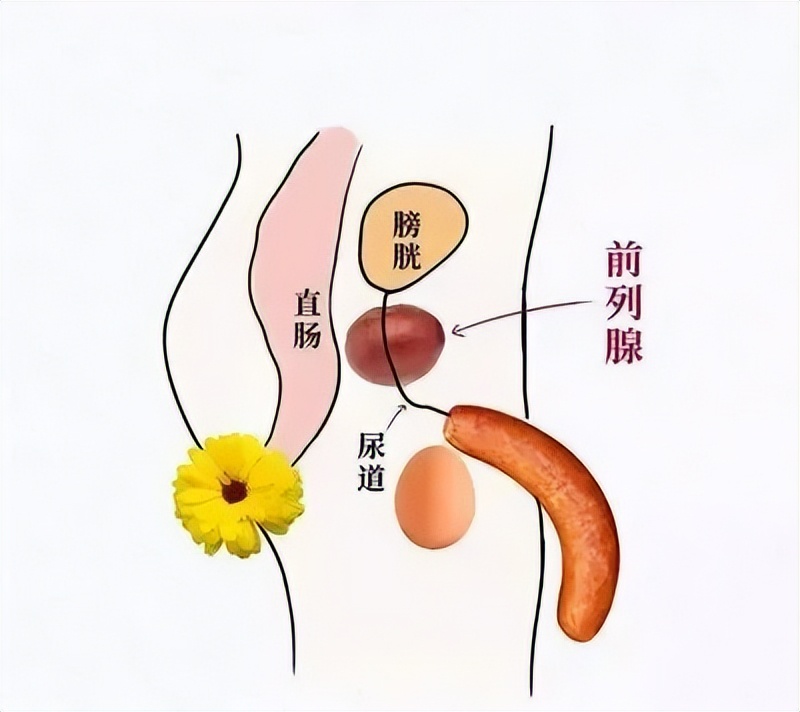
It is a very common benign condition where the prostate tissue gradually enlarges with age, compressing the urethra and leading to a series of urinary problems.
Common symptoms include:
Difficulty urinating, thinning of urine stream;
Increased urinary frequency, urgency, and nocturia (more frequent nighttime urination);
Prolonged urination time and obvious sensation of residual urine;
In severe cases, urinary retention (inability to urinate) may even occur.
So, when you hear "prostate hyperplasia," don't panic—it's highly manageable. The key is determining the severity and appropriate treatment timing.
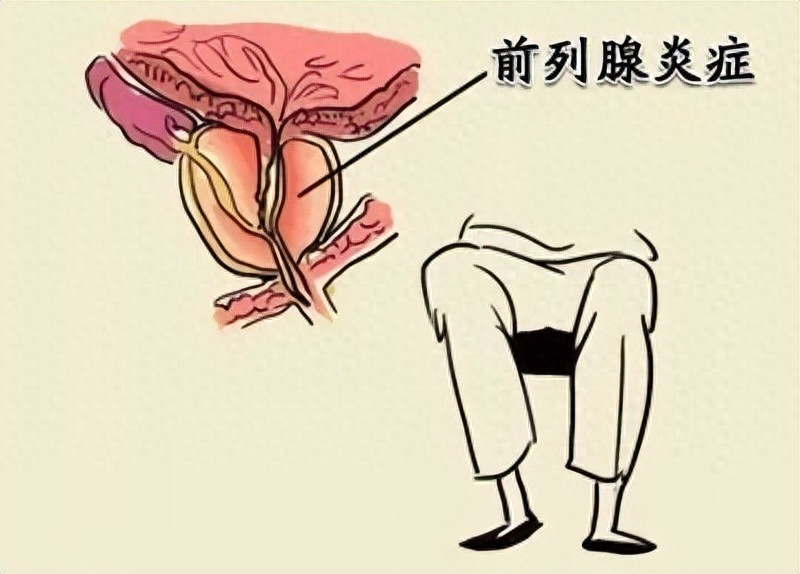
2. Not all cases of prostate hyperplasia require surgery
Many people assume surgery is necessary when they hear "hyperplasia." In fact, the vast majority of early or moderate cases can be effectively managed with medication therapy.
Currently commonly used medications include:
Alpha-blockers (such as tamsulosin): Help relax the bladder outlet and smooth muscles, improving urination;
5α-reductase inhibitors (e.g., finasteride): Reduce prostate volume and slow disease progression;
Traditional Chinese Medicine (TCM) conditioning: Medications such as Jinkui Shenqi Pills, Qianlongtong Capsules, and Yishen Qingzhuo Pills can improve constitutional issues related to damp-heat in the lower burner and blood stasis obstructing the bladder.
After a period of systematic treatment, most patients will experience significant improvement in urinary symptoms and return to normal quality of life.
Therefore, prostatic hyperplasia does not automatically mean immediate surgery is required.
However, surgical intervention should be considered if the following conditions are present
Director Yuan's clinical criteria for determining "whether surgery is necessary" primarily include the following points:
Ineffective drug treatment – after 3-6 months of regular medication, symptoms remain significant;
Recurrent urinary retention—inability to urinate spontaneously even after multiple catheterizations;
Complicated by bladder stones or infection—indicating long-term urinary obstruction leading to complications;
Impaired renal function—hydronephrosis in both kidneys detected by ultrasound or elevated creatinine levels in laboratory tests;
Severely decreased quality of life—frequent nocturia, poor sleep, and affected work performance.
When any of the above conditions are met, doctors will recommend a surgical evaluation.
Current surgical techniques are highly mature, including transurethral resection of the prostate (TURP) and holmium laser enucleation of the prostate (HoLEP), which are minimally invasive with quick recovery. Most patients can resume normal activities within 3-5 days postoperatively.
4. Postoperative Care is Essential - It's Not a "Once and For All" Solution
Surgery addresses "urinary obstruction," but it does not mean the prostate will be problem-free from then on.
Postoperative lifestyle management is still necessary:
✅ Avoid prolonged sitting and catching a cold;
✅ Drink plenty of water and urinate frequently;
✅ Reduce spicy and irritating foods;
✅ Maintain regular sexual activity;
✅ Schedule regular follow-ups to monitor prostate volume and residual urine.
Many patients recover well after surgery, but without changing lifestyle habits, symptoms like frequent urination and urgency may recur. Postoperative care is as important as the treatment itself.
V. Final Thoughts
Benign prostatic hyperplasia (BPH) is a chronic condition that doesn't immediately threaten life but can persistently affect quality of life.
The key isn't about the word "surgery" itself, but rather about "accurate diagnosis and appropriate treatment planning."
Don't delay treatment out of fear for surgery, nor be deceived by "miracle cures" that promise complete recovery.
The best treatment always involves scientific evaluation and personalized selection.
"The prostate is like a 'floodgate' in a man's body - when it's too tight, it needs unclogging; when left open for too long, it requires maintenance."
Smooth daily living outweighs any prescription.