Treating Bronchial Asthma: The Key Lies in Regulating the Triple Burner
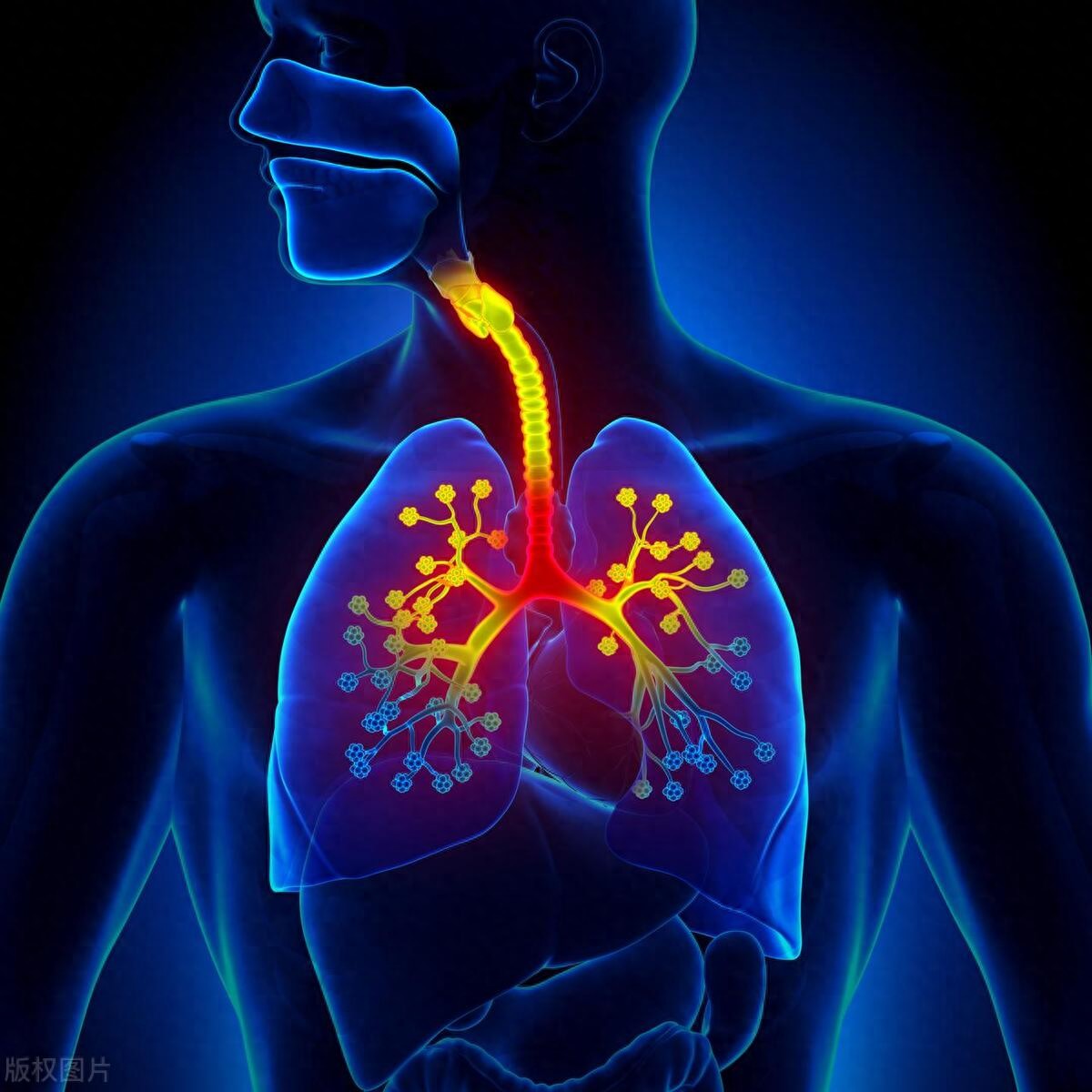
Bronchial asthma often causes patients to suffer from coughing, phlegm, and wheezing. However, the key to truly improving bronchial asthma lies in "unblocking the triple energizer," as the triple energizer is an important pathway for the body's meridian qi circulation.
Upper Burner
Located above the diaphragm, it includes vital organs such as the heart and lungs; its primary function is to disperse lung qi, with the ascending and descending movement of lung qi being crucial for maintaining normal respiration.
Middle energizer
The area located below the diaphragm and above the navel, encompassing organs such as the spleen, stomach, liver, and gallbladder. Its primary functions include fortifying the spleen to resolve dampness and nourishing the stomach gently. This region serves as a crucial zone for digestion, absorption, and nutrient distribution in the human body.
Lower Jiao
Located below the navel, it includes organs such as the kidneys, large intestine, small intestine, and bladder. Its primary functions are to tonify the kidneys, replenish qi to strengthen the foundation, and provide the body with primordial qi and energy.
When the Triple Burner is obstructed, the body's ability to resist external pathogens weakens, leading to invasion by these pathogens. This can trigger allergic reactions, bronchial asthma, and other symptoms.
So, how should patients with bronchial asthma regulate their Triple Burner?
1. Upper Jiao Regulation
Dispersing lung qi and improving lung's damp-dispersing and descending functions. Through TCM methods like diffusing the lungs, relieving cough, and resolving phlegm, symptoms such as coughing and expectoration can be alleviated, improving respiratory function.
2. Middle Jiao Regulation
Strengthening the spleen to eliminate dampness while gently nourishing the stomach. Methods like fortifying spleen function, promoting digestion, and resolving food stagnation can improve digestive and absorptive functions, enhance nutrient absorption, and boost immune capacity.
3. Lower Jiao Regulation
Tonify kidneys and replenish qi to strengthen the foundation. Through kidney yang supplementation and qi-blood nourishment, the body's primordial qi and energy can be enhanced, improving its ability to resist external pathogens.
When regulating bronchial asthma, appropriate use of orifice-opening herbs such as Ephedra (Ma Huang), Bitter Apricot Seed (Xing Ren), and Perilla Leaf (Zi Su) can be considered. These herbs help open lung qi and disperse external pathogens, thereby alleviating symptoms like coughing and wheezing.
Additionally, comprehensive regulation is extremely important.
Patients should maintain good lifestyle habits, avoid excessive fatigue and emotional fluctuations, pay attention to dietary nutrition and hygiene, and undergo regular physical examinations and treatments.
Although bronchial asthma is a common respiratory disease, we can effectively improve its symptoms and enhance patients' quality of life through TCM's Sanjiao regulation method.