Friends who often wear headphones, be sure to remember the "3x60" rule!
On the subway, in cafés, at the desk late at night… headphones have become our "digital armor" to shut out the world and immerse ourselves. However, behind this private musical enjoyment, an invisible "hearing thief" is quietly approaching; its target is the auditory cells you cannot regenerate once lost.
。
In our inner ear, there are approximately 15,000 to 20,000 hair-like sensory hair cells that are key to our ability to hear. These cells are very delicate and have no capacity to regenerate.
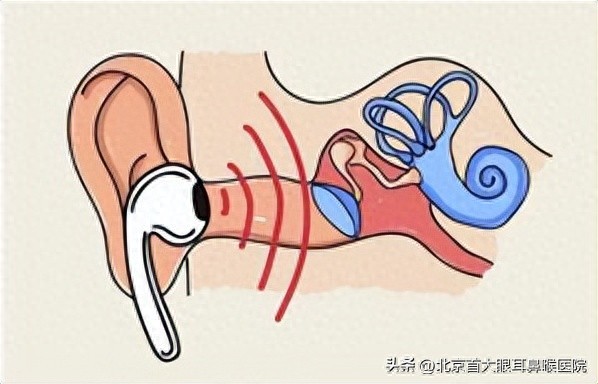
When excessively loud sounds (especially those exceeding 85 decibels) bombard the cochlea for prolonged periods, these "hair cells" will, like an over-trodden lawn, go from fatigue to damage and ultimately to death. Initially there may be only temporary hearing loss or tinnitus (for example, ears buzzing after attending a concert), but cumulative long-term exposure can cause permanent, irreversible hearing damage.
And the headphones you wear every day may be the biggest source of noise-induced damage.
“60-60-60”原则
The internationally recognized, very simple and practical method to protect hearing is the "60-60-60" rule.
Rule one: volume should not exceed 60% of the maximum volume
Most electronic devices have a maximum volume of around 100 decibels, which is enough to cause hearing damage in a short time. Keeping the volume at or below 60% will generally ensure the sound intensity remains within a safe range (about 60–80 decibels, comparable to normal conversational speech).
Tip: If, while wearing earphones, you cannot clearly hear someone speaking at normal volume one meter away, your volume is likely too high.
Rule 2: Continuous use should not exceed 60 minutes
For every 60 minutes of earphone use, you should remove them and let your ears rest in a quiet environment for at least 10–15 minutes. Avoid wearing them for several hours at a stretch.
Principle Three: Avoid using headphones when environmental noise exceeds 60 dB
On subways, buses, and noisy streets (background noise in these places typically reaches 70–85 dB), you will unconsciously raise the volume to hear clearly, often exceeding safe thresholds. In such environments, avoid using headphones whenever possible. If you must use them, choose active noise-cancelling headphones; they can generate inverse sound waves to cancel ambient noise, allowing you to hear clearly at lower volumes.
Kind reminder: This article aims to provide health education and cannot replace professional medical diagnosis and advice. If you have specific ear discomfort, please seek medical attention promptly.