Sinusitis and nasal polyps — do I have to have surgery? The doctor speaks frankly…
Nasal congestion, purulent nasal discharge, headache, loss of smell… When both “sinusitis” and “nasal polyps” appear on an examination report, many people feel a jolt of alarm. The first question that comes to mind is, “Doctor, in my case, do I absolutely need surgery?”
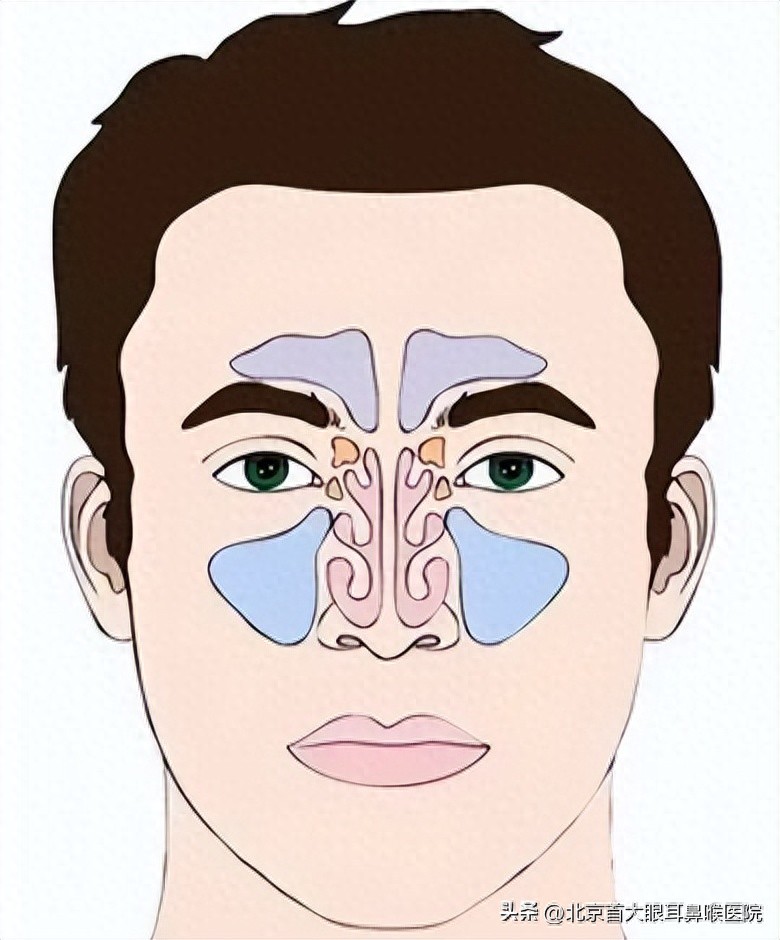
Sinus
Sinusitis is inflammation of the mucosa of the sinuses (air-filled cavities in the bones surrounding the nose), leading to accumulation of purulent fluid inside.
Nasal polyps are benign tissues that develop from mucosal edema of the nasal cavity or sinuses, growing like inflated balloons and resembling peeled lychee flesh. They can obstruct the sinus ostia, preventing ventilation and drainage.
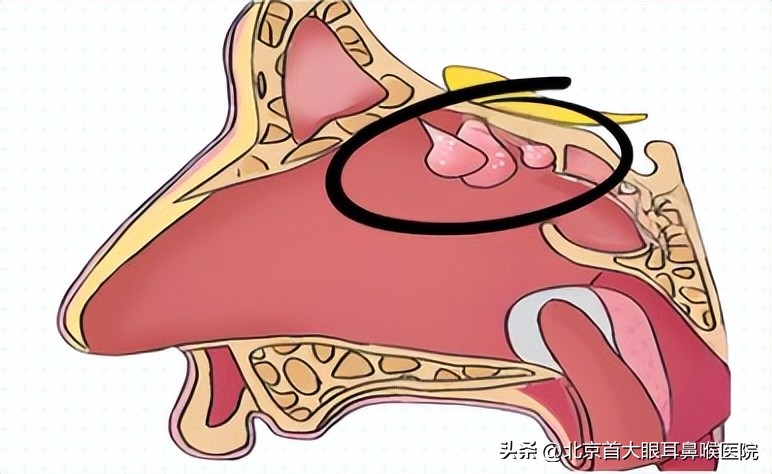
Nasal polyps
The two often coexist and promote each other, forming a vicious cycle: recurrent sinusitis → mucosal edema → development of nasal polyps → obstruction of sinus openings → worsening sinusitis → polyps grow larger and larger…
Conservative treatment, mainly referring to pharmacotherapy, is our first line of defense and the foundation. Even if surgery is required in the future, preoperative and postoperative drug treatment is also crucial.
Conservative treatment includes:
Intranasal glucocorticoid sprays: can effectively reduce mucosal inflammation and edema, can reduce the size of polyps, and may even make early small polyps disappear. Long-term, standardized use is required.
Oral glucocorticoids: for patients with larger polyps and more severe inflammation, physicians may recommend short-term oral use for rapid control. Because of certain side effects, they must be used under close medical supervision.
Nasal irrigation (nasal wash): This is a simple yet important physical therapy. Rinsing with saline can remove purulent discharge, allergens, and inflammatory substances from the nasal cavities, helping restore a healthy nasal environment.
Antibiotics: Used only when an acute bacterial infection is clearly present.
Antihistamines/antiallergic drugs: If the patient has concomitant allergic rhinitis, controlling allergies is also a key part of treatment.
People who are suitable to try conservative treatment first:
Polyps are small and have not caused significant nasal obstruction or structural changes.
Symptoms are mild and do not greatly affect quality of life.
First detected, patient is willing and able to adhere to standardized medication and follow-up.
Surgery should be considered when conservative treatment fails to resolve the problem, or if any of the following situations occur:
Severe symptoms that significantly impair quality of life: such as persistent severe nasal obstruction, severe headache, facial pressure/pain, complete loss of smell, etc.
Massive polyps: not significantly reduced by medication, even obstructing the entire nasal cavity.
Development of complications: such as triggering bronchial asthma, secretory otitis media (causing tinnitus, hearing loss), or the rare occurrence of nasal-origin intraorbital/intracranial complications due to obstruction.
Failure of conservative treatment: after adequate, full-course (usually more than 3 months) standardized medical therapy, symptoms still show no significant improvement.
The sinus CT shows extensive lesions: CT reveals multiple sinuses filled with diseased tissue, and the ostiomeatal complex (the sinuses’ “main switch”) is severely obstructed, making natural drainage nearly impossible.
This article is intended for public education and cannot replace professional medical diagnosis and advice. Please follow your physician’s recommendations for specific treatment plans.