Cataracts ≠ an exclusively elderly disease! These signs remind you it's time for an examination
Cataracts are long no longer exclusive to the elderly.
What are cataracts? Simply put, the crystalline lens inside the eye becomes cloudy and opaque, causing decreased vision.
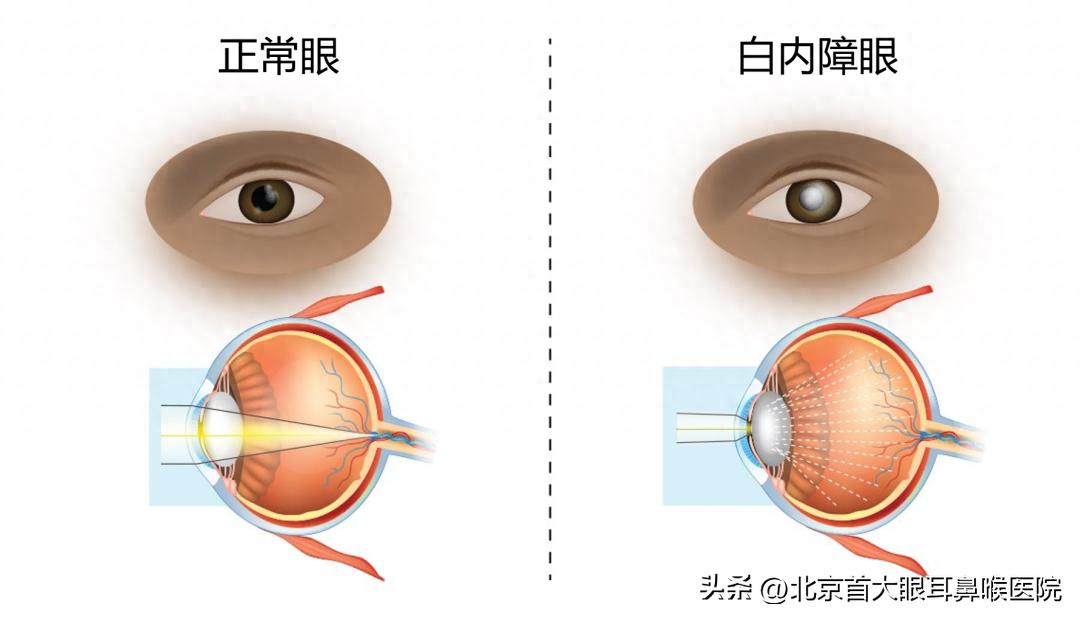
In the past, this was mainly an age-related degeneration, like hair turning white. But now, the following factors are accelerating the aging of the crystalline lens:
Excessive ultraviolet exposure: outdoor activities, not wearing sunglasses while driving, ultraviolet radiation.
Long-term use of electronic devices: whether screen blue light directly causes cataracts remains controversial, but visual fatigue and increased free radicals from prolonged eye use will undoubtedly accelerate ocular aging.
High myopia: excessively high degrees of myopia cause changes in intraocular structures and can precipitate nuclear cataracts earlier.
Metabolic diseases such as diabetes: blood glucose fluctuations can affect the lens's nutritional status, leading to metabolic cataracts and significantly earlier onset.
Trauma and medications: previous eye injury, or long-term use of glucocorticoids and other medications, can also induce cataracts.
Cataract formation is a slow process; early symptoms are easily overlooked or mistaken for eye fatigue. Be alert when the following occur:
1. Blurred vision
。
This is the most typical symptom. Vision is no longer clear and bright, but appears as if seen through a layer of fog or frosted glass, and this blurriness cannot be improved no matter how much you rub your eyes or rest.
2. Decreased color perception
Colors that were originally vivid appear dulled and yellowed to you. You may unconsciously increase your phone screen brightness and only then notice that the colors are off. This is a consequence of discoloration of the lens.
3. Seeing halos around streetlights at night
At night when looking at lights, a ring of glare may appear, or it may even scatter into a diffuse halo. This not only impairs night driving safety but is also a typical manifestation of light scatter caused by lens opacities.
4. Presbyopia suddenly improves
Some middle-aged and elderly patients find that they no longer need reading glasses to read clearly. This is not a restoration of youthful vision but the result of increased density of nuclear lens opacification producing an inadvertent myopic effect that offsets some presbyopia. This is a false appearance and is usually a sign of nuclear cataract.
5. Monocular diplopia or polyopia
When covering one eye, looking at an object you may see two or even multiple overlapping shadows. This is because uneven opacification of the lens causes scattering of light.