Can rhinitis be inherited? Unraveling the family code on the tip of the nose
。
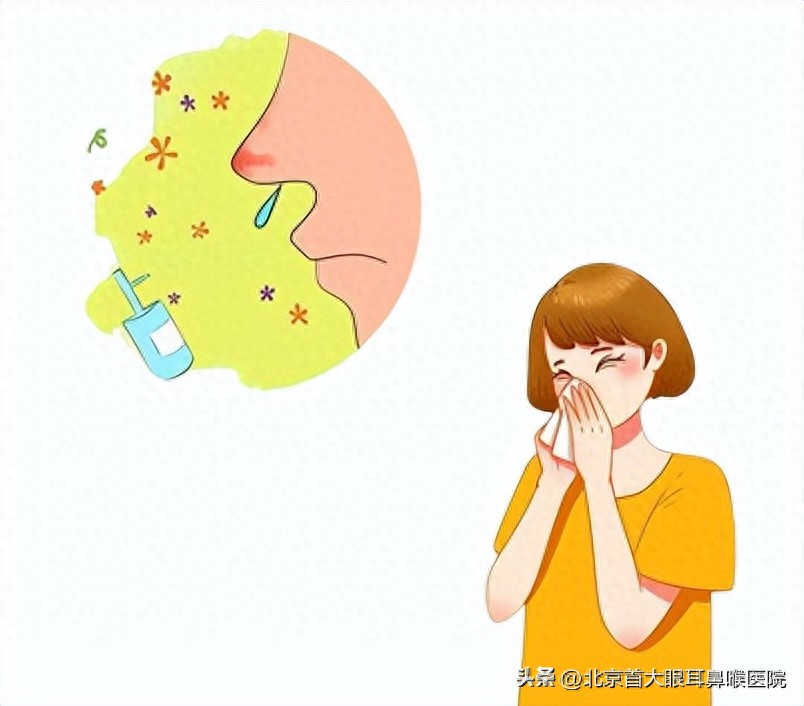
There are many types of rhinitis commonly referred to, but the one most closely related to heredity is allergic rhinitis.
If you find yourself sensitive to pollen and dust mites while your parents or siblings often have similar symptoms, it is likely not a coincidence.
The scientific basis is as follows:
What is inherited is not the disease itself, but susceptibility. You can understand it as inheriting an allergy-prone constitution from your parents. Just as some people are born with a high alcohol tolerance while others are knocked out by a single drink—this relates to the body's ability to process alcohol—people with an allergic constitution have an immune system that is more likely to overreact to harmless substances (such as pollen or dust mites), thereby triggering symptoms.
Genetic research has confirmed: scientists have identified multiple genetic loci associated with allergic rhinitis; these genes typically involve the synthesis of immunoglobulin E (IgE, an antibody closely related to allergic reactions), patterns of immune cell responsiveness, and so on. When parents pass these specific gene variants to their children, the children's risk of developing allergic rhinitis increases significantly.
Family study data: studies show that if one parent has allergic rhinitis, the child's risk of disease is about 30%; if both parents have it, the risk surges to 50%–70%. These figures clearly demonstrate the powerful influence of heredity.
Except for allergic rhinitis, the relationship between other types of rhinitis and heredity is less direct, or rather indirectly related.
Vasomotor rhinitis/nonallergic rhinitis: This type of rhinitis is usually triggered by environmental factors (such as temperature changes, odors, smoke), with hyperreactivity of nerve endings as the main cause. Its genetic predisposition is much lower than that of allergic rhinitis.
Chronic rhinosinusitis/nasal polyps: This condition is more complex. It is currently thought to result from the combined action of genetic susceptibility and environmental factors. Certain specific genes may make an individual’s nasal mucosa more prone to inflammatory and polypoid changes in response to irritants.
Infectious rhinitis (common cold): This is primarily related to viral infection and is basically unrelated to genetics. However, some people may, due to subtle differences in nasal anatomy or immune function, be more...
more likely to catch colds.
This article is intended for health education and cannot replace the diagnosis and advice of a professional physician. If you have related symptoms, please seek medical attention promptly.